5 Alarming Truths as Anthropic CEO Says AI Growth Is ‘Too Hard to Handle’
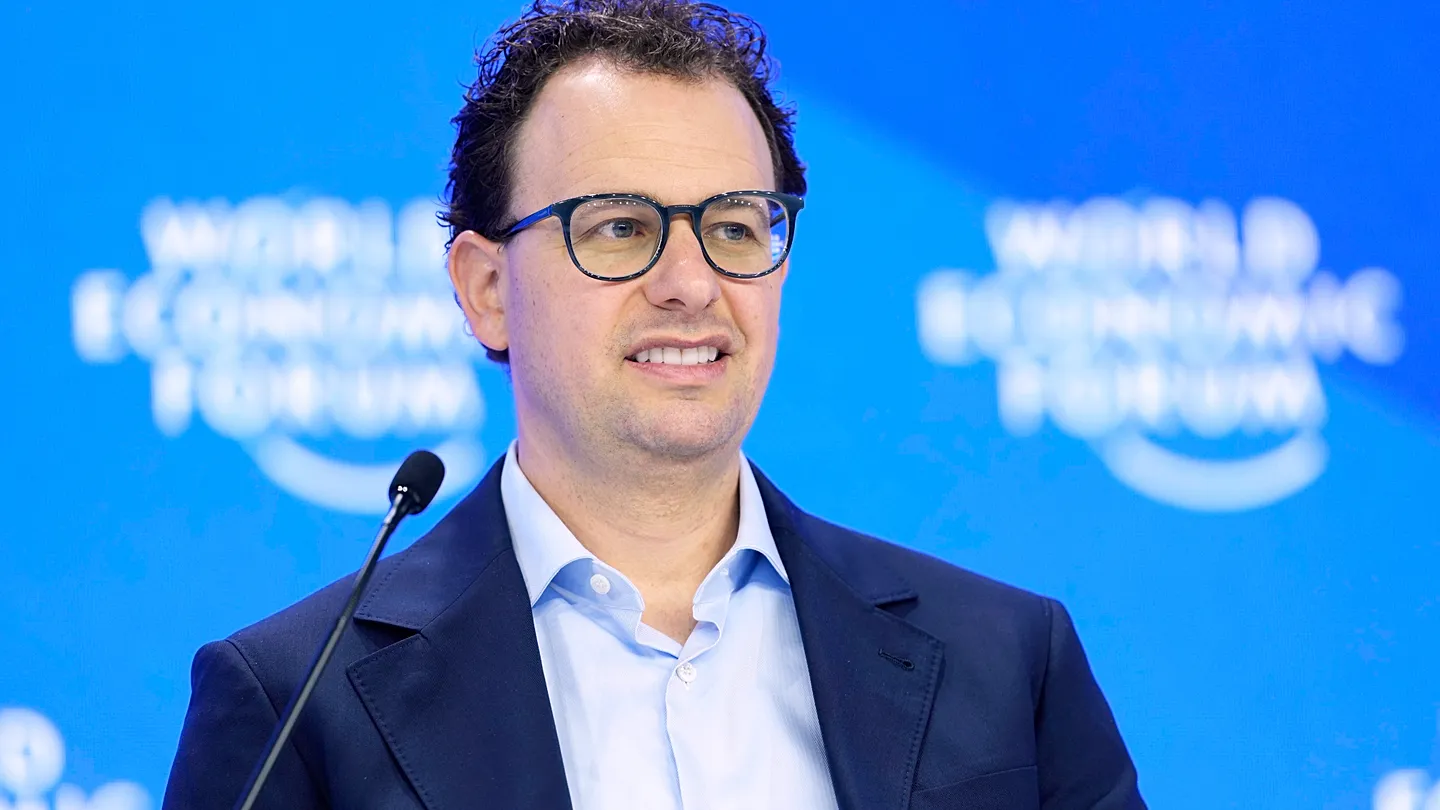
Anthropic, one of the fastest‑growing artificial intelligence companies in the world, is struggling to keep up with its own success. Its CEO, Dario Amodei, has admitted that the company’s recent growth is so intense that it has become “too hard to handle”.
Speaking at Anthropic’s developer conference in San Francisco, he revealed that revenue and usage jumped by roughly 80 times on an annualised basis in the first quarter, far beyond what the team expected when they planned for at most ten‑fold growth.

1. 80x AI Growth That Even the CEO Finds “Insane”
Amodei told the audience that Anthropic had prepared for anything between a small increase and a possible 10x expansion. Instead, demand exploded to around 80x, driven mainly by the popularity of its Claude‑based coding services with developers.
He joked that he hopes this level of growth does not continue, calling it “insane”, “unmanageable” and “too hard to handle”, and said he would prefer more “normal” figures in the future.
2. Compute and Infrastructure Under Heavy Pressure
The Anthropic CEO explained that such rapid growth has put huge pressure on the company’s computing resources and infrastructure. The firm is now racing to expand its data‑centre capacity so that it can deliver AI services without delays or outages as more customers sign up.
He admitted that the gap between what the company planned for and what actually happened is the main reason users have seen limits and bottlenecks this year.

3. A Warning About Going “Too Fast” on AI
Amodei has also warned in other recent comments and essays that the wider AI industry risks going “too fast” in ways that are difficult for society to manage. He argues that advanced AI could create enormous economic value but also bring serious dangers if safety, regulation and long‑term planning do not keep up.
He has pointed to potential problems ranging from job losses and social disruption to misuse in areas like biosecurity and authoritarian surveillance if powerful systems are deployed without enough control.
4. Race With Tech Giants and OpenAI
Anthropic was founded by former OpenAI researchers and has quickly turned into one of the key rivals in the generative AI race. For the first few years of the boom it trailed behind bigger names, but the surge in demand for its Claude tools has pushed it into direct competition with OpenAI and tech giants like Google, Amazon and Meta.
Those larger players are spending huge sums on AI chips and data centres, while Anthropic says it is trying to grow aggressively but still remain cautious about spending and risk.
5. What Anthropic’s Struggle Says About the AI Future
The fact that even an AI specialist like Amodei describes current AI growth as “too hard to handle” highlights how quickly the field is changing. Companies, regulators and workers are all trying to adjust to systems that are improving faster than past technologies and are already reshaping software development, customer service and white‑collar work.
Whether this wave turns into a long‑term positive transformation or a period of painful disruption will depend on how companies like Anthropic manage their expansion and how governments respond to the risks that the Anthropic CEO keeps warning about.
Conclusion: Powerful Technology, Hard to Control
Dario Amodei’s comments show that the generative AI boom is not just a race to grow faster than rivals, but also a real test of how much change companies can manage at once. If a specialist firm like Anthropic finds 80‑fold growth “too hard to handle”, it is easy to see why governments, schools and ordinary businesses are also struggling to keep up.
AI’s potential is huge, but Amodei’s warning is that without matching progress in infrastructure, safety and regulation, that potential can bring painful shocks as well as benefits. In the years ahead, the key question will not only be which company leads on AI, but which societies are able to guide such rapid technology in a way that remains stable, safe and genuinely useful for people.