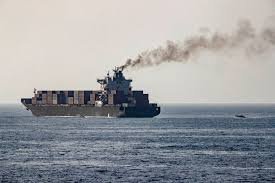
US Evacuates 22 Crew Members of Seized Iranian Ship to Pakistan
The United States has evacuated 22 crew members from an Iranian container ship seized in the Gulf of Oman and transferred them to Pakistan. The move is being described as a confidence‑building measure at a time when relations between Washington and Tehran remain tense and Pakistan is trying to maintain balanced ties with both countries.
The crew had been serving on the MV Touska, a vessel linked to Iran’s state shipping line, after it was intercepted by US forces off the coast of Iran’s Chabahar port last month. The operation has drawn attention because it sits at the intersection of sanctions enforcement, regional security and humanitarian concerns for the safety of seafarers.
Background: Why the Iranian Ship Was Seized
The MV Touska is associated with the Islamic Republic of Iran Shipping Lines (IRISL), a company that has faced United States sanctions over alleged links to sensitive Iranian activities. American authorities have been using maritime inspections and seizures as tools to enforce those sanctions and restrict Iran’s access to global trade routes.
According to officials, US forces stopped and boarded the ship in the Gulf of Oman as part of this broader enforcement effort. The interception took place near Chabahar, a strategic port on Iran’s southeastern coast. Chabahar is important not only for Iran but also for regional trade, as it provides sea access for landlocked countries and offers an alternative route that bypasses other congested or politically sensitive corridors.
By targeting a vessel in this area, Washington signaled that it intends to keep pressure on Iran’s shipping sector, even while many countries in the region are looking for ways to reduce tensions.
Transfer of Crew to Pakistan
After the seizure, the 22 crew members remained on board until US Central Command oversaw their evacuation and transfer to Pakistan. Once in Pakistan, the crew were to be processed and later repatriated to Iran through coordination between Islamabad and Tehran.
Earlier, six other individuals identified as family members of some crew had already been moved to a neighboring state and then sent onwards to Iran. This gradual evacuation shows that, despite the political sensitivities around the ship itself, there was agreement that the crew should not be kept in a prolonged state of uncertainty at sea.
For Pakistan, hosting the transfer offered a chance to demonstrate that it can help manage humanitarian aspects of regional crises without directly taking sides in wider geopolitical disputes.
Pakistan’s Role and Official Response
Pakistan’s Foreign Office has framed the transfer as a positive gesture aimed at easing tensions. Officials in Islamabad have welcomed the move and underlined that the country supports dialogue and peaceful resolution of issues among regional and global powers.
Authorities have also stated that the MV Touska will be brought into Pakistani waters for repairs before it is eventually returned to its owners. That means Pakistani ports and services will be involved in the technical handling of the vessel, adding another layer to the country’s role in this episode.
By cooperating with both Iranian and American counterparts, Pakistan is trying to reinforce its image as a state that can communicate with different sides and help manage sensitive situations, especially those involving the sea routes around the Arabian Sea and the Gulf of Oman.
What the Move Means for US–Iran–Pakistan Relations
Labeling the evacuation of the 22 crew members as a confidence‑building measure suggests that Washington wants to keep channels open even while sanctions and security concerns remain. The step does not resolve core disagreements over Iran’s policies or US sanctions, but it does carve out a small area of practical cooperation focused on the safety of civilian crew.
For Iran, the safe return of its citizens and the planned release of the ship after repairs may be presented domestically as proof that it can negotiate and protect the interests of its nationals, even when facing pressure. For Pakistan, acting as the receiving country for the crew and a temporary hub for the vessel helps underline its relevance in regional diplomacy.
What happens next will depend on whether this limited cooperation is followed by further steps or remains a one‑time gesture. Either way, the MV Touska case has shown how maritime actions, sanctions policy and humanitarian concerns are tightly connected in today’s geopolitical environment.