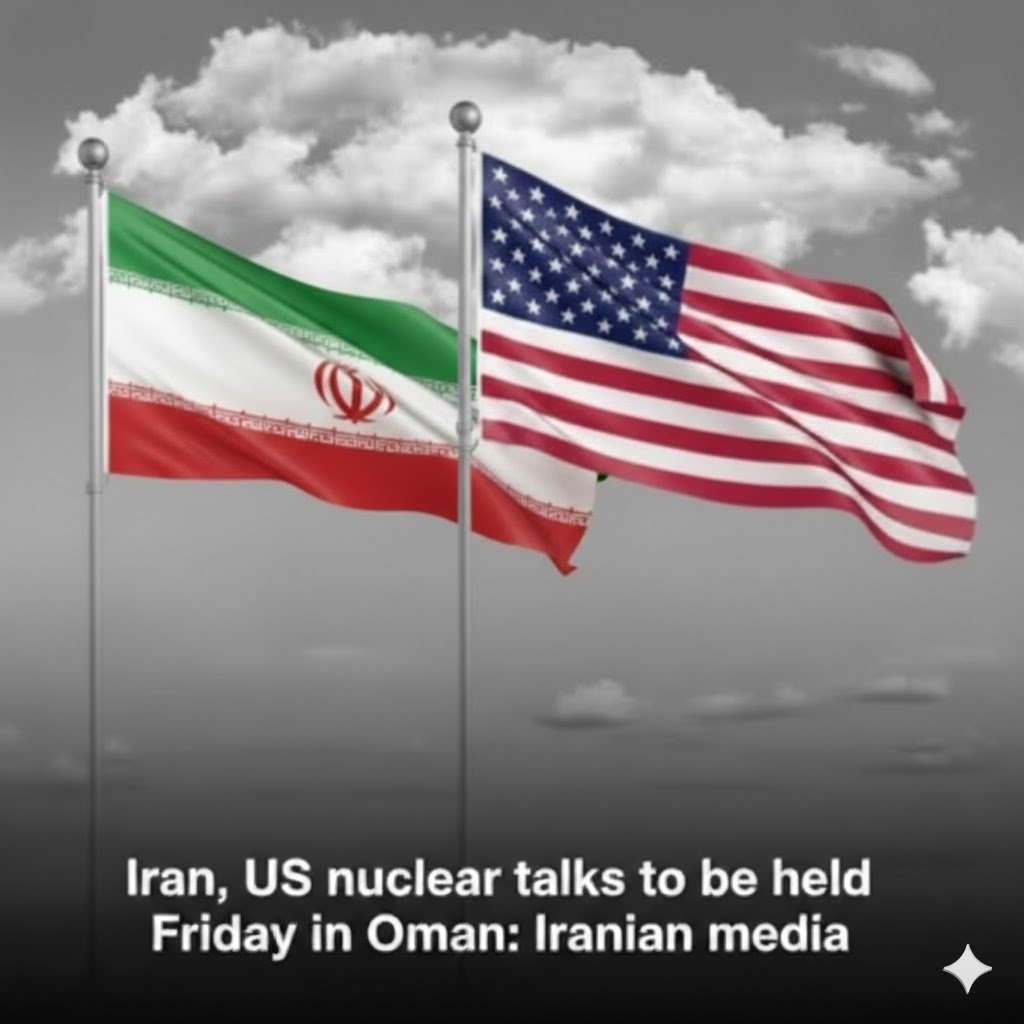
US–Iran Oman Talks: Why This Meeting Matters After Days of Threats
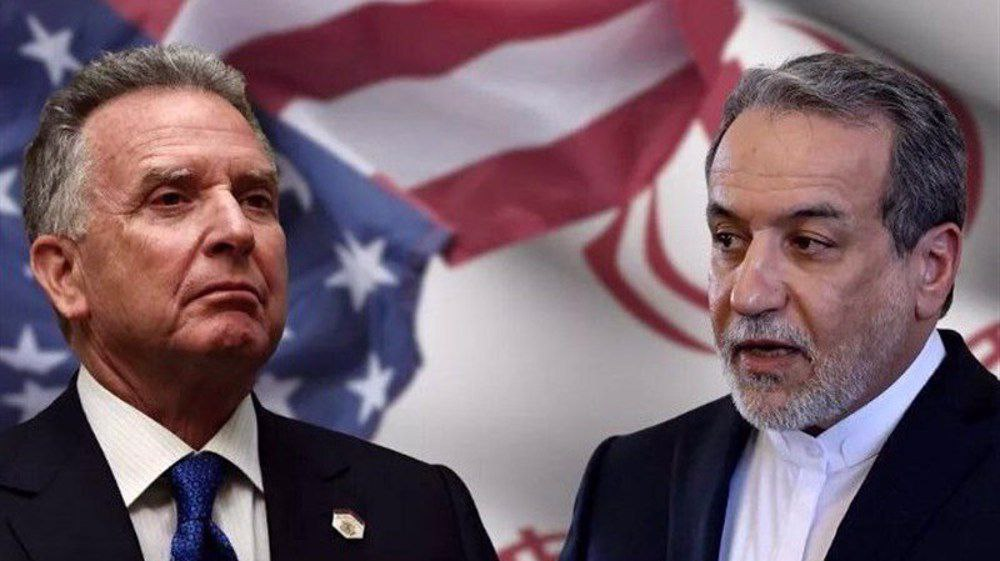
The US–Iran Oman Talks are set to take place on Friday after several days of tough threats and tense statements from both sides. This rare diplomatic meeting comes at a time when the Middle East is on edge and many fear that a small mistake could trigger a wider conflict.
Regional mediators from Qatar, Turkiye and Egypt have worked hard to bring both Washington and Tehran to the table. They hope that this round of diplomacy in Muscat will reduce tensions and create space for more serious negotiations in the coming weeks.
When and where are the talks happening?
According to officials, the meeting in Oman is scheduled for Friday, with delegations from both countries expected to attend. The session follows a barrage of strong rhetoric, military warnings and public threats that raised alarm across the region.
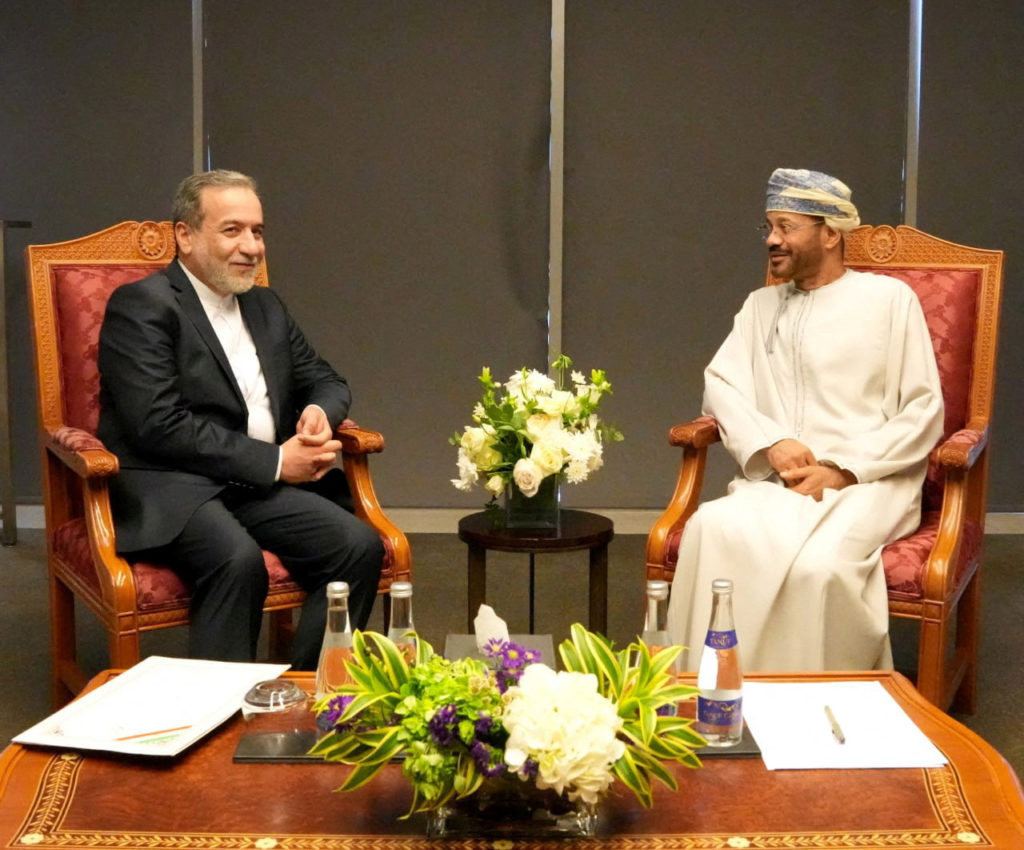
Oman is a natural host for these discussions because it has a long history of quiet mediation between Iran and Western powers. Muscat has been used for sensitive contacts in the past, including earlier nuclear-related talks, thanks to its neutral and trusted position.
Why tensions rose before the US–Iran Oman Talks
In the days before the US–Iran Oman Talks were announced, both sides exchanged sharp accusations and warnings. US officials said they would respond to any attacks on their forces or partners, while Iranian leaders denounced what they called American threats and interference in the region.
These statements came on top of ongoing conflicts and proxy confrontations in the Middle East. Iran-backed groups and US-aligned partners often face each other in different arenas, making the situation unstable even before the Muscat meeting was confirmed.
The role of regional mediators
Despite the harsh language, regional powers have tried to prevent an escalation. Diplomats from Qatar, Turkiye and Egypt have presented both Washington and Tehran with a framework of key principles to guide the dialogue.
This proposed document is believed to touch on Iran’s nuclear programme, regional security and possible economic steps, although the full text is not public. By shaping the agenda in advance, these mediators are signalling that the whole region has an interest in avoiding a new crisis.
What is likely on the table?
While there is no official, detailed agenda, several main issues are expected to come up during the talks in Oman.
- Iran’s nuclear activities and concerns over uranium enrichment levels.
- The impact of US sanctions on Iran’s economy and any possible relief or adjustment.
- Regional security, including the actions of groups that are seen as proxies for both sides.
- Ways to reduce the risk of direct clashes between US and Iranian forces.
For Tehran, this diplomatic track is a chance to push for economic breathing space and recognition of its role in the region. For Washington, the priority is preventing nuclear escalation and protecting its allies and military personnel.
Why the US–Iran Oman Talks are important for the Middle East
The US–Iran Oman Talks are not only about the two rival states; they are also critical for the wider Middle East. Governments across the region worry that a breakdown in communication could lead to attacks on energy routes, markets and civilian areas.
If this dialogue can lower tensions even slightly, it might open doors to further meetings, technical discussions or confidence-building measures. Small steps, such as clearer communication channels or limits on certain activities, could help stabilise a very fragile environment.
What to watch after the Oman meeting
Observers will be watching several key signals around and after the talks in Muscat.
- Whether both sides agree to continue the dialogue beyond this session.
- Any sign of flexibility on sanctions, nuclear limits or regional activities.
- How key regional players, including Israel and Gulf states, react to the outcome.
- Whether mediators from Qatar, Turkiye and Egypt announce a more structured process.
For now, this round of US–Iran diplomacy in Oman, centred on the US–Iran Oman Talks, represents a rare moment when direct talks are being tried after months of rising tension. The results will help decide whether the coming weeks bring more confrontation or a controlled, if fragile, path back to dialogue.