Iran-US Nuclear Talks 2026: 7 Positive Signs Tensions Are Easing
The Iran-US Nuclear Talks have re-emerged as a serious diplomatic option in early 2026, easing fears of direct military confrontation in the Middle East. Iran’s President Masoud Pezeshkian has instructed his diplomats to pursue “fair and equitable negotiations” with Washington, signalling a cautious but important shift towards engagement.
1. Pezeshkian’s Push for ‘Fair and Equitable’ Negotiations
In a public message, President Pezeshkian said he has ordered his foreign minister to seek talks with the United States that are based on fairness and mutual respect. He stressed that any negotiations must happen in an environment free of threats and “unreasonable expectations”, guided by dignity, prudence and expediency.
By framing the Iran-US Nuclear Talks in these terms, Tehran presents itself as open to dialogue while still defending its sovereignty and national pride. This allows the leadership to claim that returning to the table is a strategic decision rather than a reaction to outside pressure.
2. Regional States Mediate Between Tehran and Washington
Several regional governments, including Qatar, Turkiye, Egypt and Oman, are transmitting messages and ideas to help shape a framework for renewed discussions. Iranian officials say they are examining different diplomatic proposals and expect a clearer process for potential talks with the US in the coming days.
This mediation shows how strongly neighbouring countries wish to avoid a wider war and keep channels open between the two rivals. Stability in the Gulf, global energy markets and key maritime routes all depend in part on whether diplomacy succeeds.
3. Istanbul Lined Up as Possible Venue
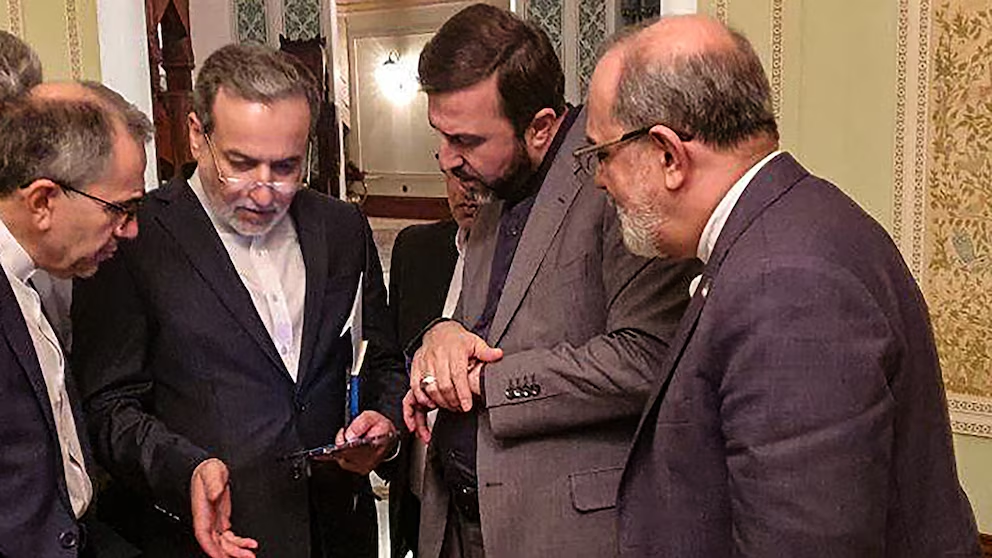
Iranian media report that Turkiye is preparing to host a new round of high-level contacts in Istanbul. US Special Envoy Steve Witkoff and Iranian Foreign Minister Abbas Araghchi are expected to take part, although neither Tehran nor Washington has formally confirmed the meeting yet.
According to local outlets, Pezeshkian has ordered the resumption of discussions on Iran’s nuclear programme as part of this process. Earlier talks in Oman stalled in June after Israeli strikes and US bombing against Iranian nuclear facilities, leaving the diplomatic file frozen for months.
4. From War Talk to Deal Talk
At the start of the year, the situation appeared to be sliding towards confrontation rather than compromise. President Donald Trump deployed warships, aircraft carriers and fighter jets to the region and repeatedly warned Tehran while expressing support for anti-government protests inside Iran.
Recently, his tone has shifted from direct threats to a demand for a new nuclear deal. Trump has said that Iran is “seriously talking” to the US, while still highlighting the presence of “very big, powerful ships” heading towards the area as a form of pressure.
5. Hard US Conditions on the Table
Iranian sources told Reuters that Washington has laid out strict conditions for any renewed engagement. According to these reports, Trump wants Iran to end uranium enrichment, curb its missile programme and halt support for allied armed groups across the region.
In previous rounds of negotiations, Tehran has shown some flexibility on nuclear issues but treated missiles and regional alliances as red lines. The current mix of sanctions, economic crisis and social unrest could test whether that position changes in exchange for substantial relief.
6. Protests and Sanctions Increase the Urgency for Talks
The latest diplomatic moves follow one of the most serious internal crises Iran has faced in decades. Mass protests broke out in January amid economic hardship and a collapsing currency, fuelled by years of international sanctions.
The demonstrations escalated into a direct challenge to the authorities, and thousands of people were reportedly killed in the crackdown. This domestic pressure makes progress towards a negotiated outcome more urgent for Iran’s leadership, which needs economic breathing room to calm the situation at home.
7. Diplomacy Advances, But Risks Remain
Despite signs of progress, the risk of escalation has not disappeared. US aircraft carriers and jets remain within striking distance, and Iranian Supreme Leader Ali Khamenei has warned that any attack on Iran could spark a “regional war”.
Backchannel contacts have continued, with Foreign Minister Araghchi speaking to his counterparts in Saudi Arabia, Egypt and Turkiye about the evolving situation. At the same time, US envoy Steve Witkoff is due to visit Israel to brief Prime Minister Benjamin Netanyahu, underlining how central Israeli concerns remain to any future understanding.
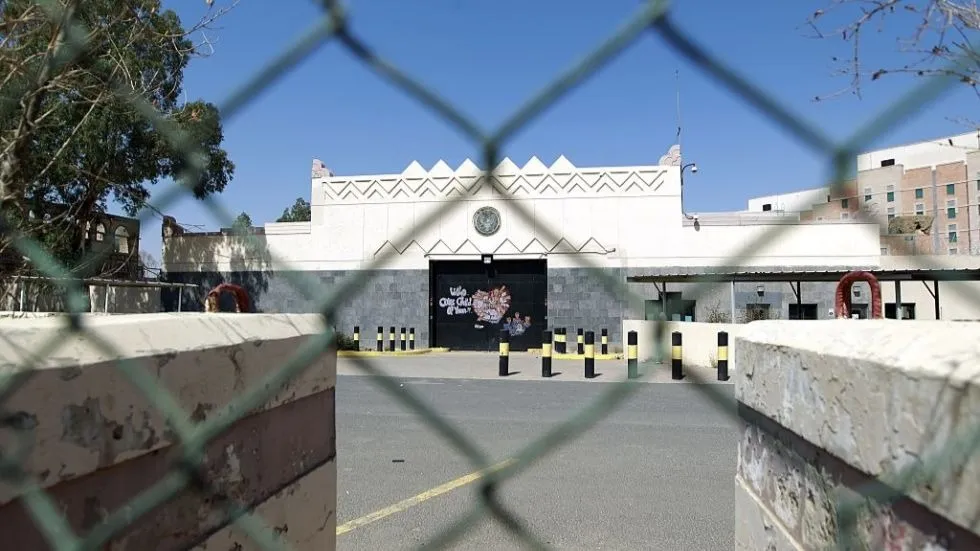
What the Iran-US Nuclear Talks Could Mean for the Region
If a meeting in Istanbul goes ahead, it could become the most significant diplomatic opening between Iran and the US since talks in Oman collapsed last year. A breakthrough would reduce the risk of war, open the door to gradual sanctions relief and create a more stable environment for people across the Middle East.
However, the distance between both sides is still wide, with deep disagreements over nuclear limits, missiles and regional policy. For a broader background on Iran’s nuclear history and global concerns, you can also see the International Atomic Energy Agency’s country profile on Iran.
The next few weeks will show whether this new phase of contact remains a missed opportunity or turns into a fragile, step-by-step path back to sustained diplomacy.
Global Stakes of the Iran-US Nuclear Talks
The renewed Iran-US Nuclear Talks are also being closely watched by global powers, energy markets and international institutions that track non-proliferation efforts. For many observers, the way Washington and Tehran handle these negotiations will shape not only regional security but also the future of nuclear diplomacy more broadly.