Oil Climbs as Trump Ramps Up Iran Threats, Pushing Prices Higher
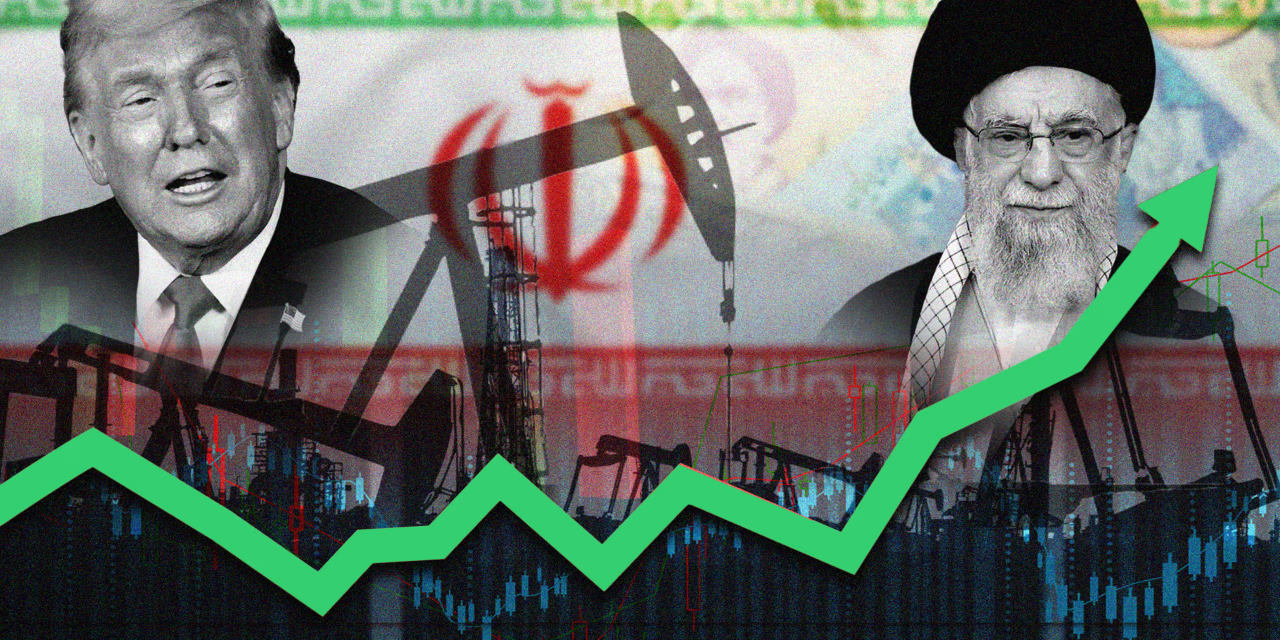
Oil climbs as Trump ramps up Iran threats, sending global crude benchmarks to their highest levels in around four months and reviving fears of fresh Middle East instability. As Washington hardens its tone toward Tehran, traders are quickly pricing in a higher risk of supply disruption from a region that still anchors a large share of the world’s oil exports.
Global oil prices are rising as US President Donald Trump steps up his warnings of possible military action against Iran, turning political tension into market volatility. Brent and West Texas Intermediate (WTI) crude have extended their recent rally, with many investors now watching every new statement from the White House for clues about how far the confrontation might go.
Trump Warns Iran Time Is Running Out
In a recent social media post, Trump told Iran that time is running out to agree to a new nuclear deal or face potential military strikes. He stressed that US naval ships deployed to the region are ready to carry out their mission “with speed and violence” if needed, language that immediately fed into concerns about a wider conflict.
For oil traders, oil climbs as Trump ramps up Iran threats because this kind of rhetoric raises the odds of real disruption in and around the Gulf, where a major portion of global crude and refined products moves each day. Any sustained risk to tankers, ports or production facilities can quickly tighten supplies and drive prices higher.
Brent and WTI Extend Their Rally
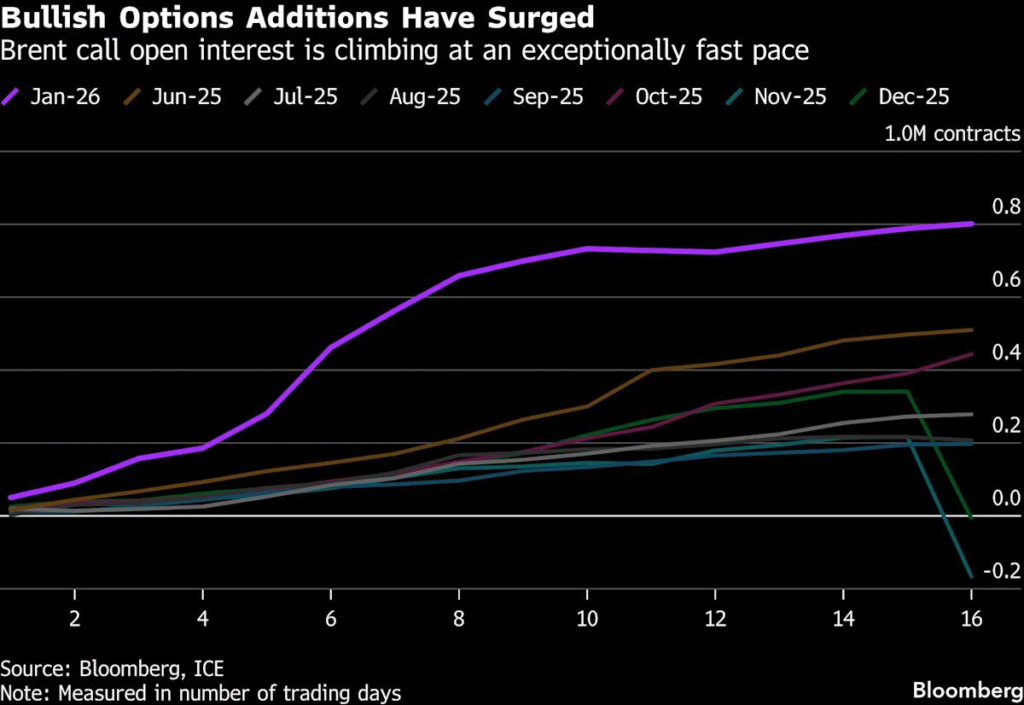
With oil climbs as Trump ramps up Iran threats, Brent crude is trading above levels seen in the past few months, while WTI is holding near its recent multi‑month highs. The latest move follows several sessions of gains driven by a mix of geopolitical tension, expectations of tighter supply and improving sentiment across broader commodity markets.
While the price spikes so far remain contained, the shift in tone is clear: traders are no longer focused only on demand growth and interest‑rate policy, but also on the risk that Middle East tensions could quickly escalate. This makes crude markets more sensitive to every new headline involving Washington and Tehran and keeps volatility elevated.
Why Iran Tensions Matter So Much for Oil
Iran sits at the heart of a region that still supplies a large share of the world’s crude, and any hint of conflict there quickly feeds into risk premiums on oil benchmarks. From shipping lanes in the Strait of Hormuz to production sites across the Gulf, the physical infrastructure that moves oil around the world is heavily exposed to geopolitical shock.
Markets have seen this pattern many times before: when threats intensify, prices often move first on fear and only later on actual disruption. Today’s rally fits that familiar pattern, with traders pricing in the possibility that a miscalculation or sudden escalation could briefly knock out supplies or make shipping riskier and more expensive.
Traders Balance Fear and Fundamentals
Despite the sharper rhetoric, there is still uncertainty about how far the latest standoff will go and whether it will translate into real physical disruption. Some investors see the current move as a classic geopolitical spike that could fade if tensions cool or diplomatic back‑channels gain traction.
Others argue that a more confrontational approach from Washington is now baked into policy, which means higher volatility may be here to stay for oil markets. In that scenario, every new statement from the White House or Tehran becomes a potential catalyst for short‑term price swings.
What Higher Oil Prices Mean for the Global Economy
If oil climbs and stays elevated as Trump ramps up Iran threats, the ripple effects will be felt far beyond energy markets. Higher crude prices tend to push up fuel and transport costs, which can squeeze households, raise inflation and complicate decisions for central banks already trying to manage fragile recoveries.
For oil‑exporting countries, stronger prices can support government revenues and ease budget pressures, while importing nations face larger energy bills and pressure on trade balances. This makes the current standoff not just a regional security story, but a global economic one closely watched by policymakers and businesses alike.
Conclusion
Oil’s latest move higher underlines how quickly markets can react when geopolitical risks in the Middle East resurface. As long as Trump keeps ramping up threats against Iran and military assets stay on high alert, traders are likely to price in a higher risk premium, leaving crude prices more volatile and sensitive to every new development.