India–EU Trade Deal: A Landmark Pact in a World of Tariffs
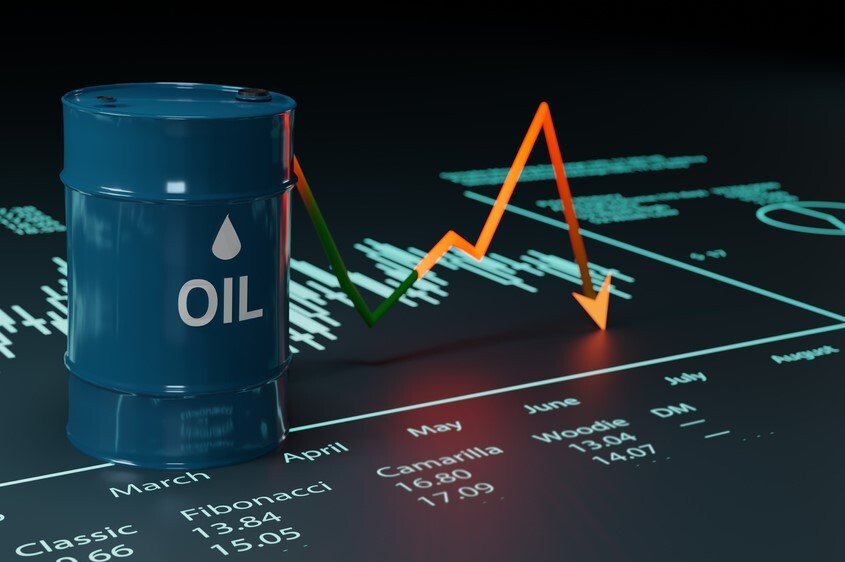
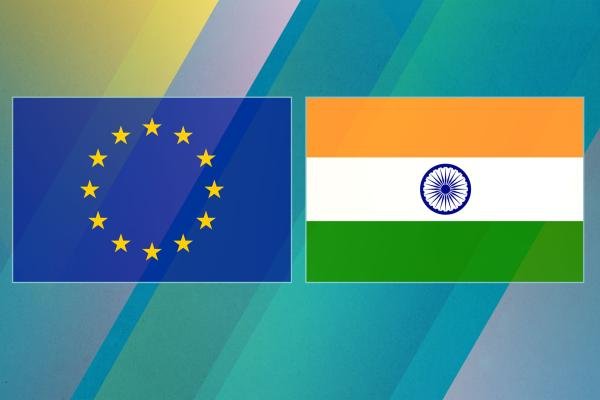
India and the European Union have announced a landmark free trade agreement after nearly two decades of on‑off talks. The pact arrives just as Donald Trump’s high‑tariff strategy is straining relations with both India and Europe and adding fresh uncertainty to global trade. By choosing a comprehensive India–EU trade deal instead of new tariff battles, both sides are sending a clear signal that they still see long‑term value in open markets and stable rules.
This article looks at what is inside the India–EU free trade agreement, which sectors stand to gain, how Trump‑era tariffs form the backdrop, and what this shift could mean for the wider global trading system.
Why This Deal Took Nearly 20 Years
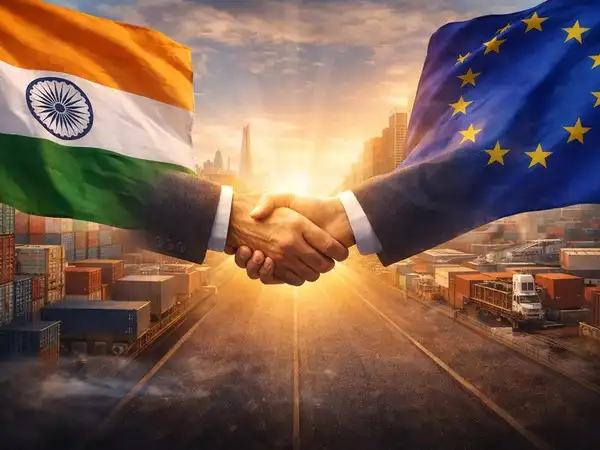
Negotiations between India and the EU first began in 2007 but stalled in 2013 over disagreements about market access, regulations and tariff reductions. Talks restarted in 2022 and, by early 2026, produced a political agreement on an India–EU trade deal covering goods, services and broader cooperation.
The EU is already India’s largest trading partner in goods, with bilateral merchandise trade reaching about 136 billion dollars in 2024–25, nearly double the level of a decade earlier. Despite this growth, high tariffs and complex rules were limiting the full potential of the partnership on both sides.
Key Features of the India–EU Free Trade Agreement
The agreement focuses on three main pillars: cutting tariffs, opening markets and deepening supply‑chain links between India and the EU.
Tariffs and Market Access
- The European Commission says the deal will remove tariffs on most exports of chemicals, machinery and electrical equipment, as well as aircraft and spacecraft, over a phased period.
- One of the most striking changes concerns cars: India currently imposes duties of up to 110% on imported motor vehicles, but under the India–EU trade deal these will fall to 10% for up to 250,000 vehicles.
- That quota is six times larger than the 37,000‑unit limit granted to the UK in a trade deal signed the previous year.
These changes are expected to reduce prices for European cars, machinery and some agricultural food products entering the Indian market as import duties are gradually cut.
Benefits for Indian Exporters
Delhi says that almost all Indian exports will receive some form of preferential access to the EU under the new agreement. Sectors highlighted for tariff cuts or complete removal include:
Traditional exports such as tea, coffee, spices and processed foods should also gain from lower barriers into a large, high‑income market.
Protection for Sensitive Sectors
India has taken care to shield certain sensitive industries from sudden competition. Products such as dairy, cereals, poultry, soy meal and some fruits and vegetables have been treated cautiously in the India–EU free trade agreement to avoid sharp shocks for local farmers and small producers.
Mobility and People‑to‑People Links
The deal is not limited to goods. India and the EU are also creating a mobility framework that will make it easier for professionals to move between the two markets for work.
This is expected to help IT specialists, engineers, consultants, designers and other skilled workers take on short‑term assignments across borders, adding a services and innovation dimension to the India–EU trade deal.
The Shadow of Trump‑Era Tariffs
The timing of the agreement has clear political and strategic meaning.
- India currently faces US tariffs of about 50% on some exports after trade talks with Washington broke down under President Donald Trump.
- The EU has also clashed with Trump, who has accused European partners of unfair trade and threatened new measures against their exports.
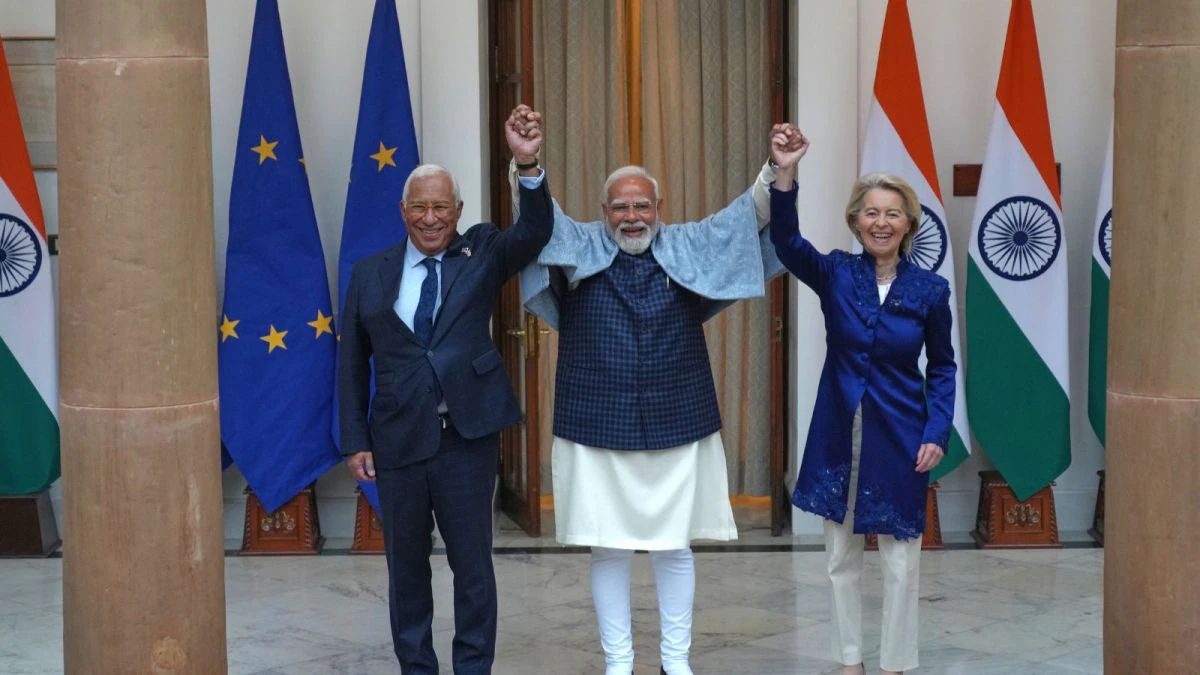
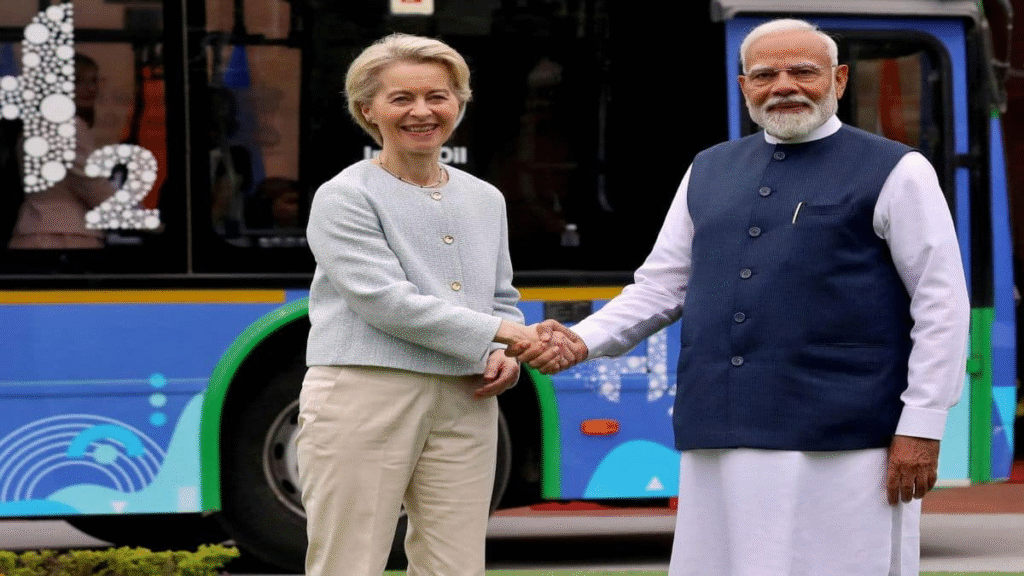
Against this backdrop, European leaders have framed the India–EU free trade agreement as a deliberate choice in favour of cooperation rather than confrontation. European Council President António Costa said the pact shows that India and the EU “believe more in trade agreements than in tariffs” at a time of rising protectionism. European Commission President Ursula von der Leyen has called it “India’s biggest trade deal” and a “win‑win partnership” for both sides.
What the Deal Means for India
Prime Minister Narendra Modi has described the India–EU trade deal as the largest free trade agreement India has ever concluded. According to him and other officials, it is expected to:
- Make access to European markets easier for Indian farmers and small businesses.
- Support the growth of Indian manufacturing and services by attracting more investment and integrating with European value chains.
- Strengthen innovative partnerships in areas such as technology, green energy and digital services.
In the past few years, India has also signed or advanced trade deals with the UK, Oman, New Zealand, Australia and the EFTA countries, showing a broader strategy to diversify its trade ties beyond the US and China.
Why the EU Needs India
For the EU, the agreement with India matters for economic as well as strategic reasons.
- Access to a fast‑growing market
EU exporters of cars, machinery, chemicals and agri‑food products gain improved access to a large and rapidly expanding economy. - Stronger and more diverse supply chains
Closer ties with India help European firms reduce over‑reliance on a handful of partners and spread production across more locations, especially in manufacturing, clean technology and defence‑related industries. - A statement about the global trading system
By advancing the India–EU free trade agreement while others raise tariffs, Brussels is trying to present itself as a defender of a rules‑based global trading order.
Security, Defence and Climate Cooperation
Alongside trade, India and the EU are stepping up cooperation on security, defence and climate policy.
- Defence ministers and senior officials have discussed maritime security, cyber threats, defence dialogue and closer supply‑chain links in sensitive sectors.
- Work is underway on a security and defence partnership that aims to build trusted defence ecosystems and future‑ready capabilities.
On climate, both sides are exploring how to link trade, green technology and sustainability in a framework that supports long‑term investment and emissions cuts.
What Happens Next?
The India–EU trade deal has been politically agreed but still needs to clear several formal steps.
- The text must be finalised, translated and formally signed by both sides.
- It then requires approval from the European Parliament and the Council of the EU before it can enter into force.
Once ratified, the success of the India–EU free trade agreement will depend on how smoothly tariff cuts are phased in, how rules of origin are applied and how any disputes are handled.
Conclusion: A Different Model for Global Trade
At a time when new tariffs and trade disputes dominate the headlines, the India–EU trade deal offers a different model. Instead of relying only on duties and threats, India and the EU are betting on long‑term gains from open markets, clearer rules and deeper cooperation.
If the agreement is implemented effectively, it could benefit businesses and workers on both sides and serve as an example that major economies can still choose trade agreements over tariff wars in today’s global trading system.