Trump Warns US Will Intervene If Iran Kills Protesters
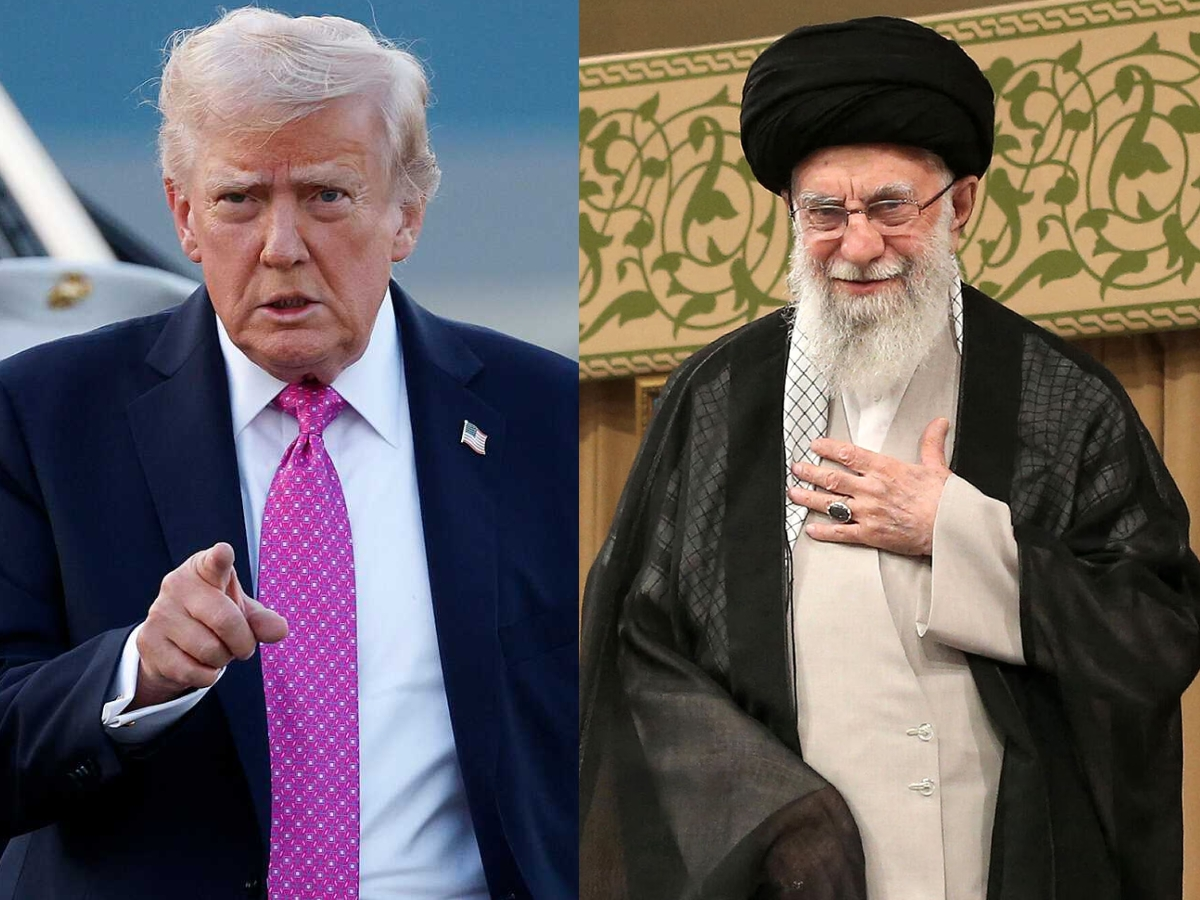
US President Donald Trump has issued a strong and direct warning to Iran as protests grow across the country. In a post on his Truth Social platform, Trump said that the United States is “locked and loaded” and will come to the rescue if Iranian authorities violently kill peaceful demonstrators. His statement has quickly become a major headline because it clearly raises the stakes in the ongoing crisis in Iran.
Trump warns US will intervene if Iran kills protesters at a time when frustration, inflation, and anger are already at a boiling point inside Iran. For many people in the United States and around the world, this message sounds like a possible step towards a more direct confrontation between Washington and Tehran.
What Did Trump Actually Say?
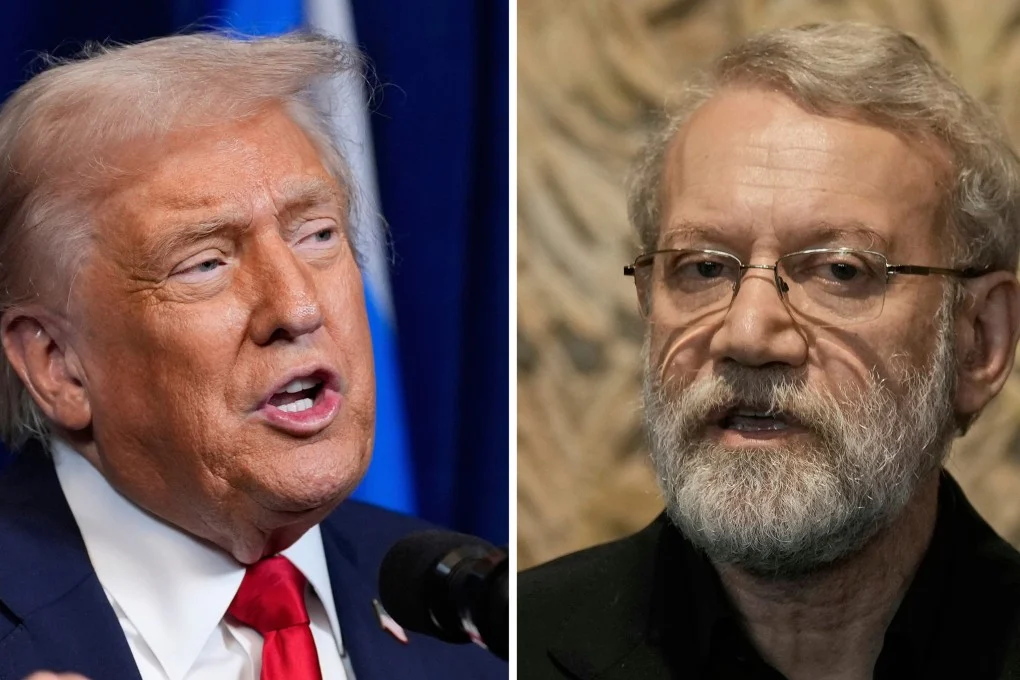
In his social media message, Trump used very sharp language towards Iran’s leaders. He wrote that “If Iran shoots and violently kills peaceful protesters, which is their custom, the United States of America will come to their rescue.” He also added that America is “locked and loaded and ready to go,” a phrase usually used in a military or security context.
By saying this, Trump warns US will intervene if Iran kills protesters in a way that sounds more serious than a normal diplomatic statement. The wording suggests that Washington is considering some kind of direct action if the crackdown crosses a certain red line. However, he did not clearly explain whether this “intervention” would be military action, stronger sanctions, cyber operations, or other tools.
What Is Happening Inside Iran?
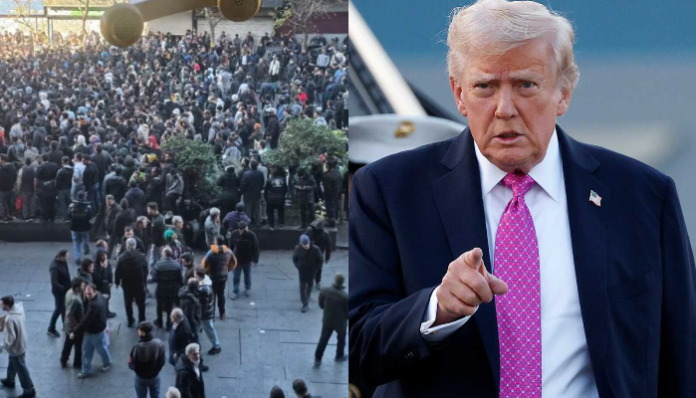
The warning from Trump comes while Iran is facing its biggest street protests in around three years. Demonstrations first started when shopkeepers and ordinary citizens began protesting against a steep fall in the value of the national currency and a sharp rise in prices of daily goods. Over time, the protests spread to more cities and became louder and more political.
Reports say that several protesters have already been killed in clashes with security forces as unrest has turned violent in multiple provinces. In some areas, crowds have openly shouted against the ruling system and blamed the government for economic hardship and corruption. According to local and international outlets, at least a handful of people have died, and many others have been injured or detained.
Trump warns US will intervene if Iran kills protesters at exactly this moment, when the protests are growing in size and anger. His words could give emotional support to demonstrators who already feel abandoned and unprotected inside their own country. At the same time, it could also give Iranian hardliners an excuse to call the protests a foreign‑backed plot.
How Has Iran Reacted to Trump’s Warning?
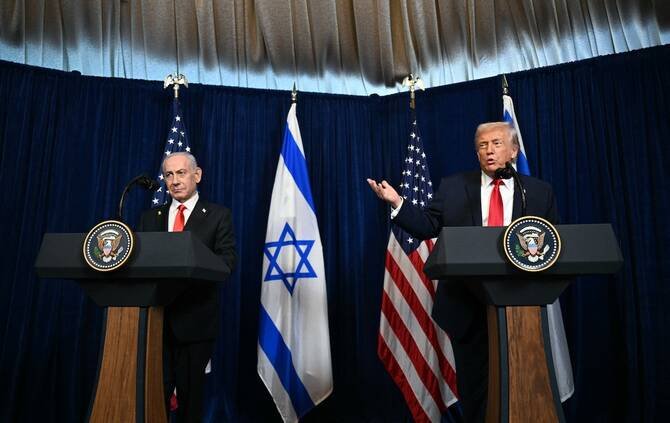
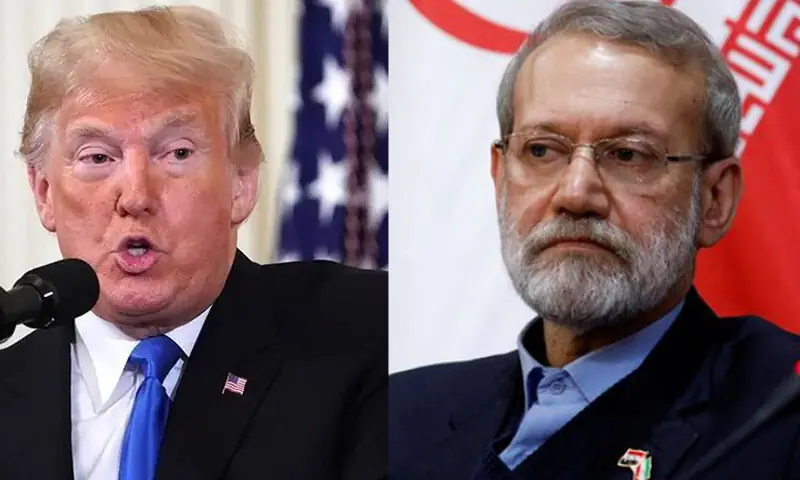
Iranian officials have strongly rejected outside interference in their internal situation. An advisor close to Iran’s supreme leadership warned that any US involvement in the protests would create more instability across the whole region. They argue that Washington’s comments are not about human rights, but about using domestic unrest as a tool to pressure Tehran.
For Iranian leaders, Trump warns US will intervene if Iran kills protesters is not seen as a neutral human‑rights message; instead, they view it as a threat to their sovereignty and security. State‑aligned voices often claim that Western countries encourage protests in order to weaken the Islamic Republic from within. So Trump’s latest statement will likely be used in local media to show that the United States is trying to influence events on Iranian streets.
Why This Warning Matters for the United States
Inside the United States, this story is important for several reasons. First, it shows how Trump is shaping US foreign policy towards Iran in a very public and personal way, using his own social media posts to send messages instead of only relying on formal diplomatic channels. Second, it raises questions about how far the US is truly willing to go if violence in Iran becomes worse.
Trump warns US will intervene if Iran kills protesters, but many analysts in Washington are asking what “intervene” really means. Some experts believe it may refer to tougher economic sanctions, more diplomatic isolation, or support for internet access and secure communication tools for protesters. Others worry that if things escalate, there could be pressure for some kind of military show of force in the Gulf region, which would be a very risky step.
For American voters, the debate is also about values and priorities. Supporters of a tougher stance say that the US should stand with peaceful protesters who are demanding basic rights and better economic conditions. Critics, however, warn that bold promises from far away can create hopes that Washington may not realistically be willing or able to fulfill.
What Could “Locked and Loaded” Look Like in Practice?
When Trump says the US is “locked and loaded,” it naturally leads to many questions. The phrase suggests readiness and capability, but it does not automatically mean that American forces will be sent into direct conflict. In modern foreign policy, “intervention” can take many forms, and not all of them are military.
Here are some of the possible actions experts discuss when they analyze statements like “Trump warns US will intervene if Iran kills protesters”:
- Stronger sanctions: Expanding financial and trade restrictions to squeeze Iran’s economy even further.
- Diplomatic pressure: Pushing allies to publicly condemn any mass killings and to isolate Iran in international forums like the United Nations.
- Cyber or covert tools: Using intelligence capabilities to disrupt repression tools or support secure communication for activists, though such actions are rarely confirmed.
- Military signalling: Moving ships, aircraft, or additional forces into nearby areas as a sign of strength, without direct attack.
Each of these options carries its own risks and costs, both for the US and for ordinary Iranians caught in the middle. That is why many observers say that public talk of being “locked and loaded” must be matched with a clear long‑term strategy, not just dramatic words.
Impact on Protesters and Public Opinion in Iran
For people on the streets in Iran, Trump’s message can be both encouraging and worrying at the same time. On one hand, when Trump warns US will intervene if Iran kills protesters, some demonstrators may feel that the world is finally paying attention and that the regime cannot act in complete darkness. They may hope that fear of US action will stop the worst forms of violence.
On the other hand, state media and security forces might use this statement to paint all protesters as agents of foreign powers. This could be used as a justification for even harsher crackdowns, mass arrests, and longer prison sentences under the excuse of “protecting national security.” Human‑rights groups have repeatedly warned that when foreign governments speak loudly, authoritarian states sometimes react by increasing pressure at home.
Because of this, many analysts say that international support for Iranian protesters must be carefully balanced: strong enough to show solidarity, but smart enough not to put them at greater risk. The line between helpful pressure and dangerous provocation can be very thin in such volatile situations.
How This Fits Into the Long US–Iran Story
This is not the first time that tensions between Washington and Tehran have created global headlines. For more than four decades, the relationship has been shaped by sanctions, nuclear talks, proxy conflicts, and sharp words from both sides. Under Trump’s leadership, the US earlier pulled out of the Iran nuclear deal and pushed for a “maximum pressure” campaign to limit Tehran’s regional influence.
Now, when Trump warns US will intervene if Iran kills protesters, many observers see it as another step in that long pattern of pressure. The difference this time is that the focus is not only on nuclear facilities or regional militias, but directly on domestic protests driven by economic pain and political frustration.
For readers in the US and around the world, this moment is important because it connects multiple themes at once: human rights, economic crisis, regional security, and great‑power politics. What happens next will depend not only on what the Iranian government does, but also on how seriously Washington is prepared to act on Trump’s dramatic warning.
Final Thoughts
The phrase “Trump warns US will intervene if Iran kills protesters” is more than just a headline; it is a signal that the United States is watching every move on the streets of Iran very closely. For now, it remains unclear what kind of intervention Trump truly has in mind, but his “locked and loaded” language ensures that both allies and rivals will be paying close attention to every development from here on.