Introduction:
The US suspends technology deal with UK just months after both governments promoted it as a flagship partnership for AI, quantum and nuclear cooperation. British officials confirmed the suspension, saying Washington halted implementation of the “Tech Prosperity Deal” as frustrations grew over wider trade talks with London.
This sudden pause raises questions about the future of cross‑border tech investment and whether political bargaining will slow down innovation in critical technologies. It also sends a signal to global markets that even high‑profile tech agreements can become leverage in broader trade disputes.
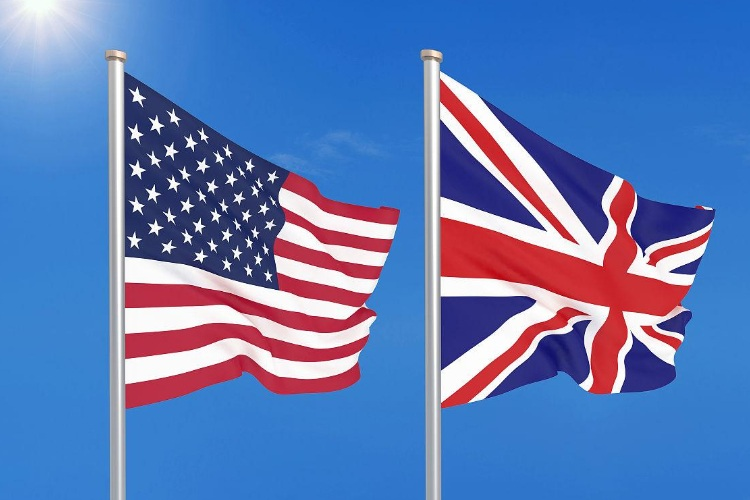
What Was The US‑UK Tech Prosperity Deal?
The suspended agreement, widely known as the Tech Prosperity Deal, was designed to deepen cooperation between the US and UK in advanced technologies. It covered areas such as artificial intelligence, quantum computing, civil nuclear technology and space‑related projects, making it a centrepiece of recent bilateral economic diplomacy.
Announced alongside major private‑sector investment pledges worth tens of billions of dollars, the deal was intended to boost Britain’s AI infrastructure and research capabilities while reinforcing the US role as a key tech partner. Companies like Microsoft, Nvidia and other US tech and finance firms had already laid out large UK investment plans connected to the broader tech cooperation agenda.
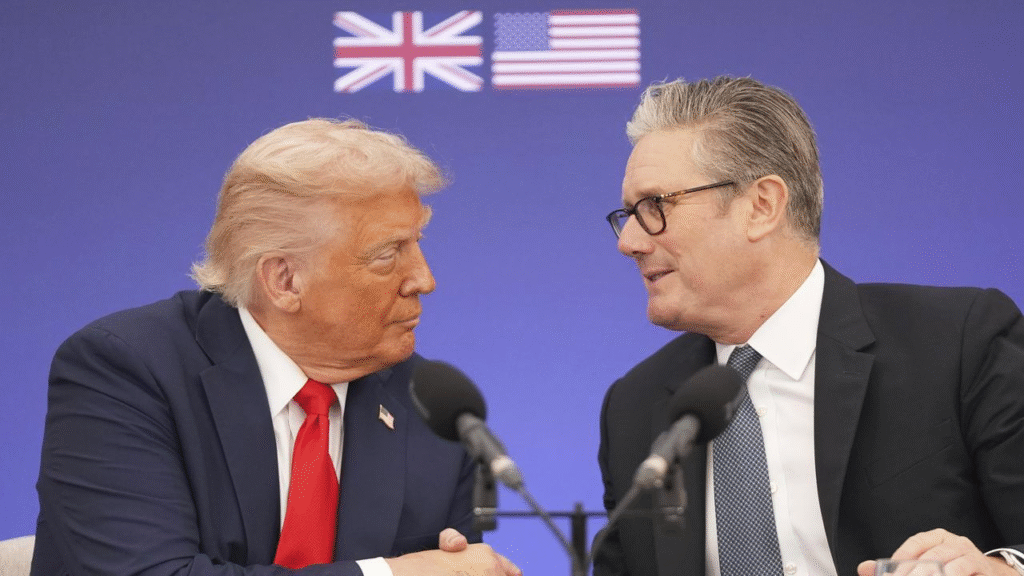
Why Did The US Suspend The Technology Deal With UK?
According to reporting attributed to the Financial Times, the US suspends technology deal with UK mainly due to mounting frustration in Washington over the pace and scope of trade negotiations with London. US officials were reportedly pushing the UK to make concessions beyond the tech sector, particularly on non‑tariff barriers that affect food and industrial products.
By pausing implementation of the tech agreement, the Trump administration appears to be using the deal as leverage to secure broader trade outcomes. British officials confirmed that the suspension took place the previous week, underscoring how quickly the political climate around the Tech Prosperity Deal shifted from enthusiasm to uncertainty.
Is The US‑UK Tech Deal Cancelled Or Just On Hold?
So far, the suspension does not amount to a full cancellation of the technology partnership. Reports describe the move as a halt to implementation, meaning the framework technically remains in place but practical cooperation is paused while trade discussions continue.
However, prolonged delays risk weakening business confidence, as companies may hesitate to commit long‑term capital without clarity on the political and regulatory environment. Analysts warn that if the standoff lasts, it could slow joint projects in AI governance, quantum research and nuclear technology that depend heavily on predictable cross‑border rules.

What Does The Suspension Mean For AI And Emerging Tech?
The US suspends technology deal with UK at a time when both countries are competing to lead in artificial intelligence and other strategic technologies. The Tech Prosperity framework was expected to support supercomputing capacity, AI data centres and large‑scale GPU deployments in Britain, underpinning a broader ecosystem for advanced research and innovation.
If cooperation remains frozen, UK‑based projects that rely on close US partnership could experience delays in funding, infrastructure rollout or regulatory coordination. The episode also highlights a growing trend: technology policy is increasingly entangled with trade negotiations and geopolitical bargaining, rather than being treated as a separate, purely innovation‑driven agenda.
Impact On The UK Technology And Investment Climate
The suspension risks undercutting the optimistic narrative that surrounded recent announcements of large US tech investments in the UK. While many of those projects are private‑sector driven and may still go ahead, uncertainty over the political framework can make future rounds of investment more cautious.
For the UK government, which has promoted itself as a global AI and innovation hub, the move is an unwelcome signal at a sensitive time. A drawn‑out dispute could complicate efforts to attract new data centres, advanced chips and high‑skilled jobs linked to US‑UK tech cooperation.

Broader Trade Tensions Behind The Tech Dispute
The US suspends technology deal with UK against a backdrop of earlier negotiations aimed at easing tariffs and improving market access on both sides of the Atlantic. Previous arrangements had already addressed some US tariffs on British goods, but disagreements over standards, regulations and non‑tariff barriers have persisted.
By targeting a high‑profile tech agreement, Washington is signalling that it views advanced technology cooperation as part of the broader trade toolbox. This approach increases pressure on London but also raises the risk that tech projects become collateral damage in disputes that have little to do with innovation or research.
What Happens Next For The US‑UK Tech Partnership?
In the short term, both governments are likely to continue trade talks while keeping public statements cautious, as neither side has formally declared the Tech Prosperity Deal dead. Behind the scenes, officials and industry leaders will be assessing which projects can proceed independently and which are too exposed to political risk.
If a broader trade compromise is reached, implementation of the technology agreement could resume relatively quickly, restoring momentum to joint AI and quantum initiatives. If not, companies may shift attention to other markets or partnerships that appear more stable, reshaping the map of transatlantic tech cooperation over the coming years.
Why This Matters For Global Tech And Policy
The fact that the US suspends technology deal with UK illustrates how fragile high‑profile tech partnerships can be when they sit on top of unresolved trade disputes. For other countries, the situation will be a warning that geopolitical calculations can override even large investment announcements and ambitious innovation plans.
It also underlines the strategic importance of AI, quantum computing and nuclear technology in modern diplomacy, where these fields are seen not only as economic drivers but also as tools of influence and leverage. Policymakers, businesses and researchers will now watch closely to see whether the US and UK can rebuild trust in their tech relationship or whether this suspension marks the start of a longer period of uncertainty.