Winter storm bears down on US Northeast, disrupting airline travel
A powerful winter storm bears down on US Northeast, disrupting airline travel and making both air and road journeys very difficult for millions of people. Heavy snow, sleet, and ice are causing dangerous conditions at airports and on highways, especially just after the busy holiday travel weekend.
Weather officials say that parts of New York, New Jersey, Pennsylvania, Massachusetts, and nearby states are facing hours of snow mixed with freezing rain. This mix is turning runways and roads into slippery surfaces, forcing airlines to cancel flights and governments to declare weather emergencies.
Where the storm is hitting and why airline travel is affected
The winter storm bears down on US Northeast with some of the worst conditions expected in New York and surrounding areas. Long Island and the Hudson Valley are under winter storm and ice storm warnings, with forecasts of up to a foot of snow in some localised areas.
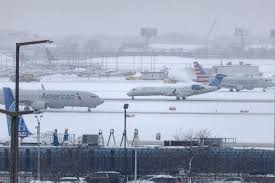
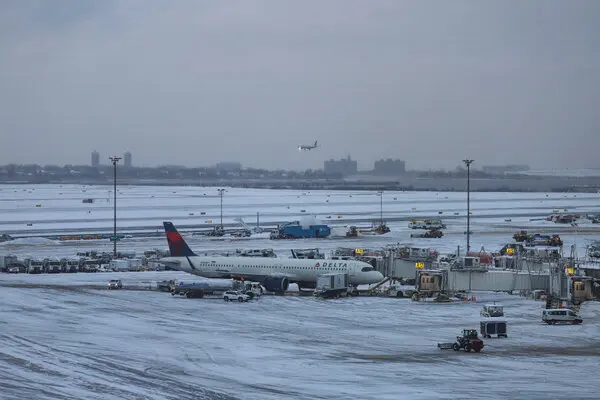
When snow and ice build up on runways, taxiways, and aircraft, airline travel becomes unsafe and slow. Planes need extra time for de‑icing, visibility drops for pilots, and strong winds can make landings and take‑offs more risky, so airlines and airports often choose to delay or cancel flights to protect passengers and crew.
Massive flight cancellations and delays
As this winter storm bears down on US Northeast, disrupting airline travel, thousands of passengers are stuck in airports or forced to change their plans. More than 1,600 commercial airline flights within the United States and into or out of the country were canceled on Friday, and over 7,800 flights were delayed as the bad weather spread across the region.
The three major airports serving the New York City area — John F. Kennedy International Airport, Newark Liberty International Airport, and LaGuardia Airport — handled most of these flight cancellations. All three airports posted alerts on the social media platform X to warn travelers about possible disruptions, long delays, and last‑minute schedule changes.
FlightAware, a popular flight‑tracking service, reported that another 650 flights scheduled to depart or land in the US on Saturday were also canceled because the winter storm bears down on US Northeast, disrupting airline travel into the weekend. Some flights in cities as far away as Philadelphia and Toronto were also affected, showing how one strong storm can disturb airline networks across a large area.
How airlines are responding to the chaos
To reduce stress on passengers as the winter storm bears down on US Northeast, disrupting airline travel for a second day, several major airlines have introduced flexible policies. American Airlines, United Airlines, and JetBlue Airways have waived change fees for many travelers whose flights are hit by the storm, allowing customers to rebook without extra fees in specified date ranges and routes.
Airlines are also advising passengers to avoid going to the airport unless their flight status is clearly shown as “on time” and “confirmed”. Instead, travelers are urged to use airline apps and websites for real‑time updates, rebooking options, and digital boarding passes so they can adjust their plans from home or their hotel.
Road restrictions and travel warnings
The storm is not only disrupting airline travel; it is also creating very risky road conditions in several states. New York and New Jersey have declared weather emergencies, while New Jersey and Pennsylvania have introduced commercial vehicle restrictions on some roads, including many interstate highways.
New Jersey’s acting governor Tahesha Way said that the storm will create dangerous road conditions and affect holiday travel, urging people to avoid travel during the storm and allow road crews to clear snow and ice. Officials warn that strong winds together with snow and freezing rain can bring down tree branches and power lines, leading to power cuts and blocked roads.
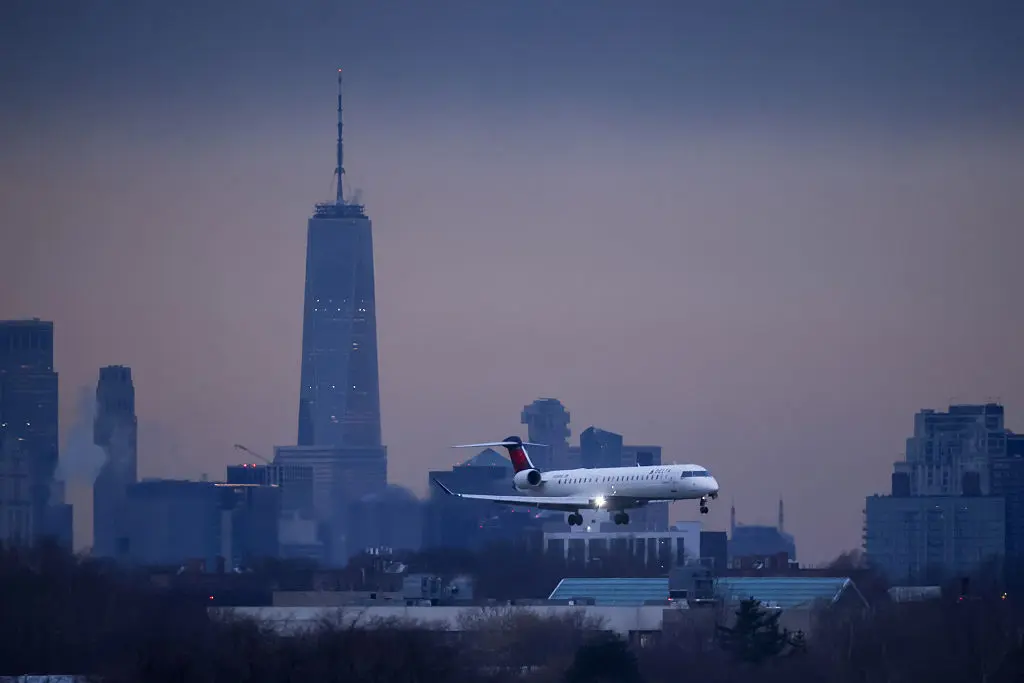
Safety tips for air travelers during the storm
When a winter storm bears down on US Northeast, disrupting airline travel and leaving many flights canceled, passengers need to plan carefully. Smart preparation can reduce stress and help travelers stay safe and comfortable, even if they face long airport waits.
Helpful tips for air travelers include:
- Check flight status frequently on airline websites or apps before leaving home.
- Sign up for SMS or email alerts for your flight so you get instant updates.
- Arrive early if your flight is still operating, because security and check‑in lines may be longer than usual.
- Keep important items like medicines, chargers, documents, and a light jacket in your hand luggage in case you get stuck at the airport.
- Be ready to accept re‑routing or different travel dates if the winter storm bears down on US Northeast, disrupting airline travel for your original route.
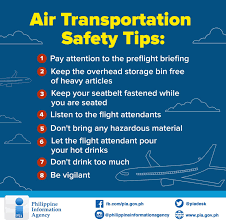
Safety tips for road users
For people who are not flying but still need to move around while this winter storm bears down on US Northeast, roads are also a serious concern. Officials strongly recommend avoiding non‑essential trips so that snowplows and emergency vehicles can reach the main routes quickly.
If road travel is unavoidable, drivers should:
- Check local road conditions and emergency alerts before starting their trip.
- Drive slowly and keep enough distance from the vehicle ahead to allow for longer braking on ice.
- Keep headlights on to improve visibility in heavy snow and low light.
- Carry an emergency kit with warm clothes, blankets, water, snacks, and a phone charger in case they get stuck for a long time.
What officials are telling residents
Leaders in affected states are sending strong messages as the winter storm bears down on US Northeast, disrupting airline travel and daily life. New York officials stress that the safety of residents is the top priority and urge people to use extreme caution throughout the duration of the storm and avoid unnecessary travel.
In New Jersey and Pennsylvania, authorities repeat that people should stay off the roads if possible and allow road crews to do their work. By following these warnings, residents help reduce accidents, clear space for emergency services, and shorten the overall recovery time after the storm passes.