5 Urgent Signals: Powerful Warning As US Watching Iran And Massive Fleet Heads To Gulf Region
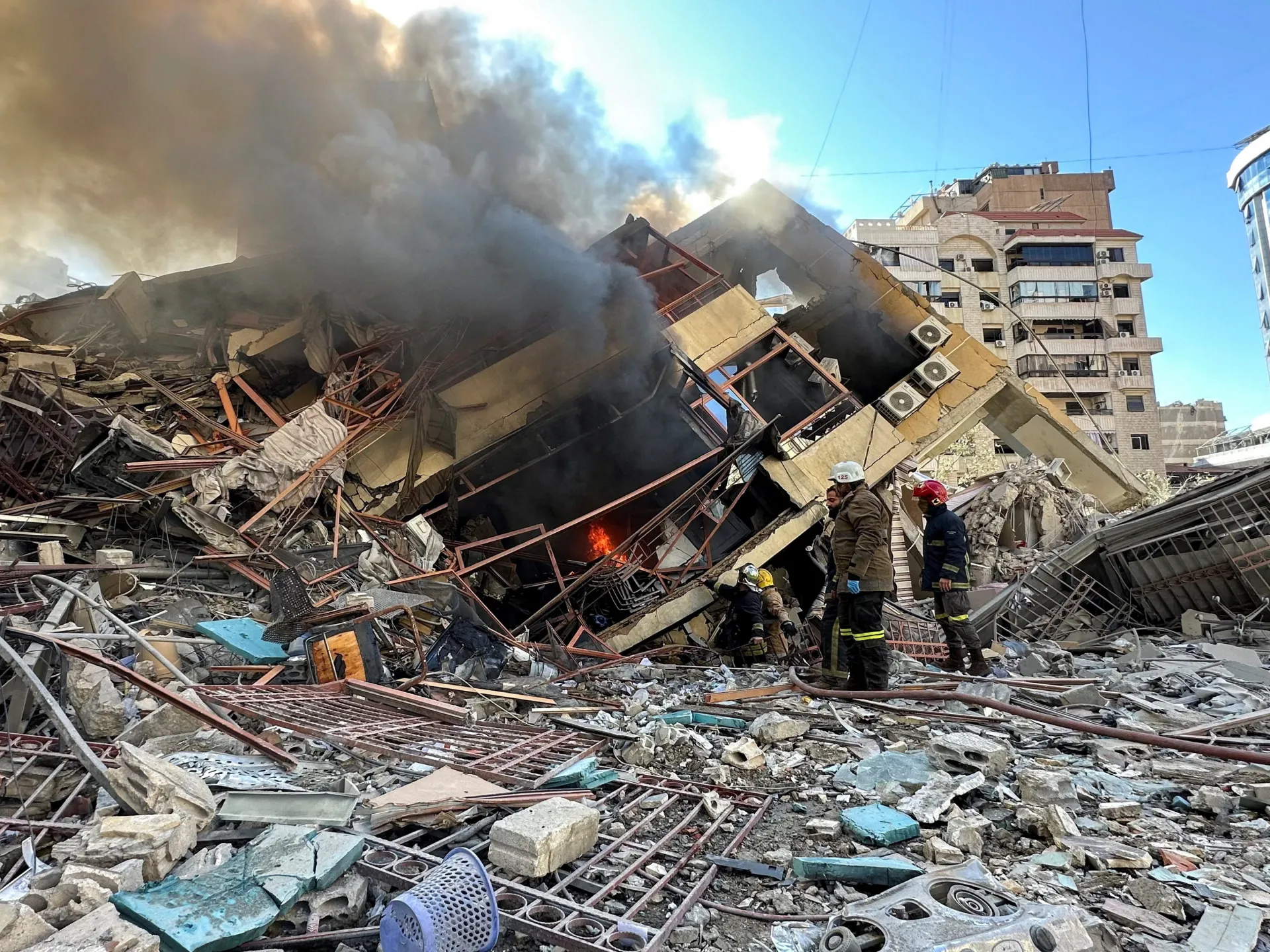
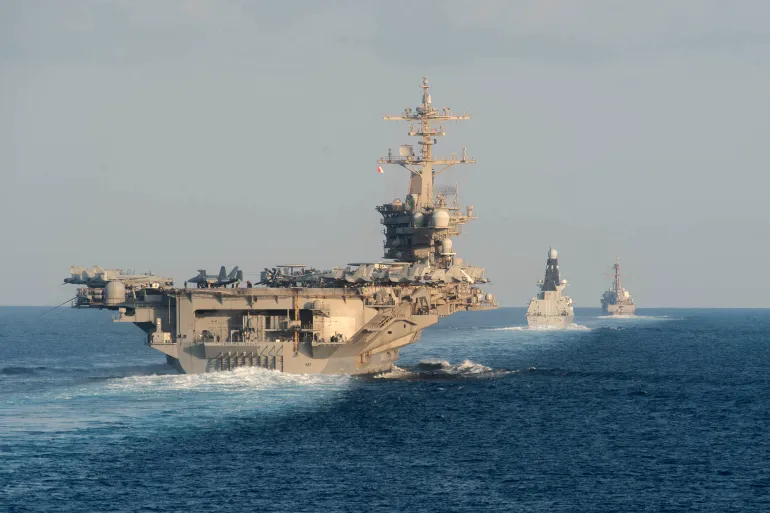
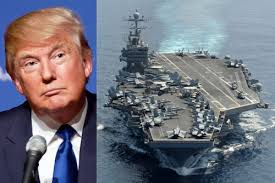
US Watching Iran has become a serious warning after President Donald Trump confirmed that a massive US naval armada is heading towards the Gulf region. He told reporters that the US is “watching Iran very closely” as an aircraft carrier strike group and other warships move into the Middle East. This strong move has made US Watching Iran a key phrase in new fears about war in the region and the future of global security.
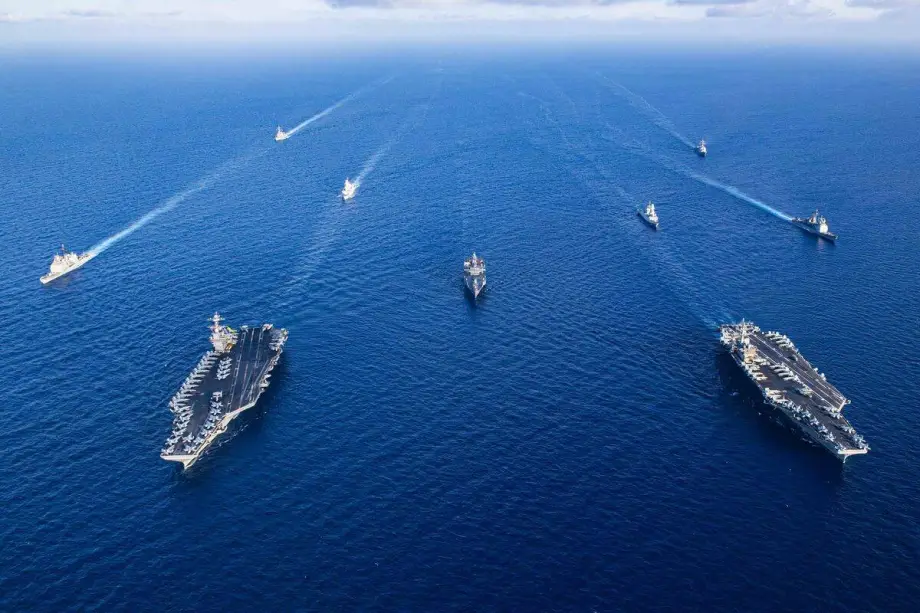
According to US officials, the USS Abraham Lincoln carrier strike group and other military assets were pulled away from exercises in the South China Sea and sent towards the Gulf. With US Watching Iran and a large flotilla moving in its direction, Washington is clearly showing both power and pressure at the same time. Many analysts say this new posture under US Watching Iran can quickly raise tensions if anything goes wrong at sea or in the air.
Why US Watching Iran Matters Now
US Watching Iran matters because relations between the two countries have been tense for years, shaped by sanctions, proxy conflicts and nuclear disputes. The Gulf is home to key sea routes like the Strait of Hormuz, where a large share of the world’s oil passes every day. When a superpower sends an armada there and repeats that US Watching Iran is the focus, it naturally creates fear among governments, markets and ordinary people.
For regional states like Saudi Arabia, the United Arab Emirates and Qatar, US Watching Iran is both a shield and a risk. On one side, they feel safer because the US is present with strong forces. On the other side, they worry that if fighting starts, they could become targets just because US Watching Iran so closely from bases and ships near their coasts.
Trump’s Own Words On US Watching Iran
On his flight back from the World Economic Forum in Davos, Trump clearly told reporters that US Watching Iran is now a key focus and that “a big force” is going towards the country. He called the naval group an “armada” and a “massive fleet” but also said, “maybe we won’t have to use it”. These mixed statements show how US Watching Iran is used to send a strong warning and yet still talk about peace at the same time.
Trump said that the US has “a lot of ships going that direction, just in case” and repeated that he would “rather not see anything happen”. With this message, US Watching Iran becomes part of a strategy where Washington keeps pressure on Tehran without openly saying that a war is certain. Critics argue that such a strategy, built around US Watching Iran and a big fleet, is risky because even a small mistake can lead to a much bigger crisis.
Protests, Executions And US Watching Iran
US Watching Iran is also connected to recent protests inside Iran. Trump claimed that his earlier threats of military action stopped Iranian authorities from executing more than 800 protesters who joined anti‑government demonstrations that started in late December. Iranian officials strongly rejected this claim and said they never planned such mass executions, calling his comments false and political.
Iranian state media reported that the unrest and clashes linked to these protests led to 3,117 deaths, including civilians and security forces. In this context, US Watching Iran becomes part of a broader US message that it supports the rights of protesters and is ready to act if needed. Tehran, however, says that US Watching Iran in this way is interference in its internal affairs and a method to weaken the government from the outside.
US Watching Iran After 2025 Nuclear Strikes
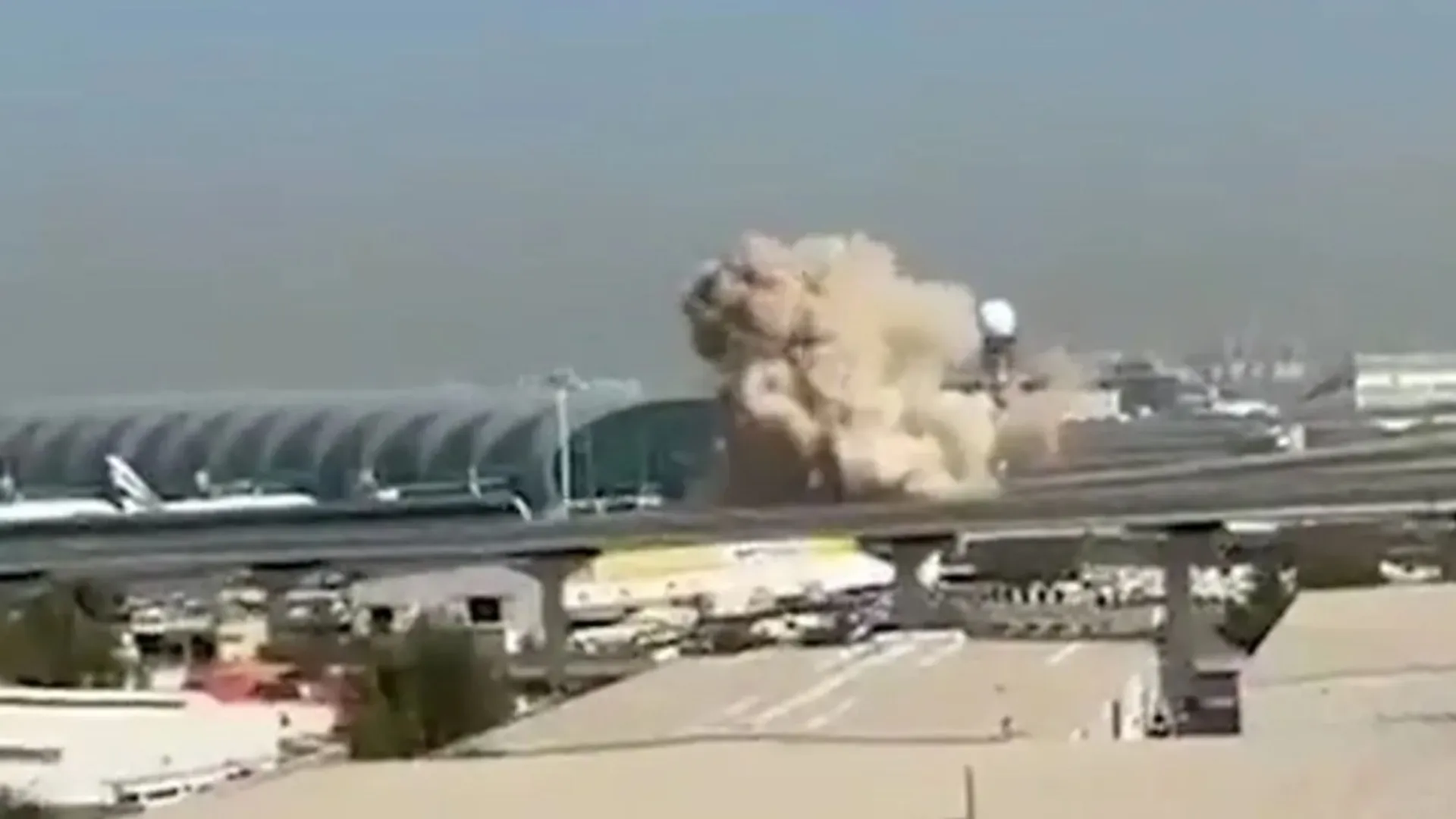
To see why US Watching Iran sounds so serious, it is important to remember what happened in June 2025. That year, the US joined Israel in a 12‑day conflict and carried out air strikes on Iran’s nuclear sites after a major military build‑up in the region. Officials later boasted that they had kept their plans secret until the operation began, which makes current military movements feel even more worrying.
In a recent interview in Davos, Trump again linked US Watching Iran to the nuclear issue. He said Iran “cannot pursue nuclear capabilities” and warned that “if they do, it will happen again”, clearly referring to the 2025 strikes. Because of this, when people hear that US Watching Iran and that a massive fleet is heading to the Gulf, they fear that new strikes could come if talks break down or if Iran is accused of restarting its programme.
How Iran Responds While US Watching Iran Continues
Iran has answered US Watching Iran with strong warnings of its own. In an article published in the Wall Street Journal, Iranian Foreign Minister Abbas Araghchi wrote that Tehran would respond “with everything we have” if the country is attacked. He said he was not trying to threaten but to explain a reality as a diplomat and a veteran who says he hates war.
Araghchi argued that a full‑scale confrontation would be extremely brutal and last far longer than the “fantasy timelines” that he says Israel and its allies are presenting to the White House. From his point of view, US Watching Iran with a massive fleet does not bring safety, but instead pushes the region closer to a wider and longer war. He warned that such a conflict would spread across the Middle East and hurt ordinary people around the world through chaos and economic pain.
Risk For Gulf Security And The World Economy
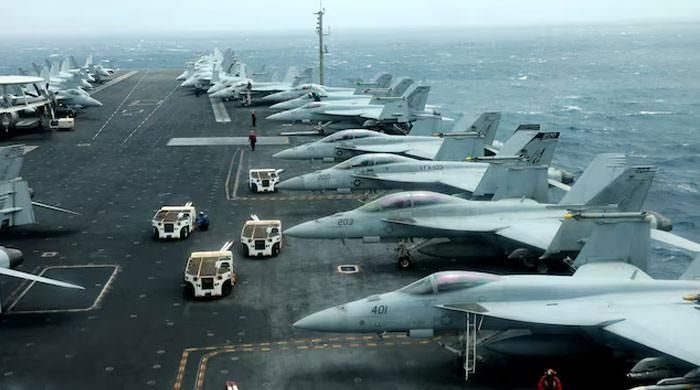
US Watching Iran and the build‑up of forces in the Gulf has direct effects on both security and the world economy. The Strait of Hormuz is a narrow passage but is one of the most important oil routes in the world. Any fighting there could quickly push up oil prices and disturb energy supplies to many countries. When traders hear that US Watching Iran is the focus and that an armada is in these waters, they become nervous about possible disruption.
Military experts say that when there are many warships and aircraft in a tight area, the chance of accidents and misunderstandings increases. If US Watching Iran mostly through military power continues and Iran answers with strong statements and its own moves, then the risk of a sudden clash is always present. That is why many voices are calling for stronger communication channels and clear rules to manage close encounters at sea.
Can Diplomacy Work While US Watching Iran?
A big question now is whether real diplomacy can work while US Watching Iran with a massive fleet and tough language is the main approach. Trump has said he is willing to talk to Iranian leaders and that he hopes more military action will not be needed. On the other side, Iranian officials say they will not negotiate under threat and want any talks to be based on mutual respect and balanced commitments.
Many international organisations, think tanks and rights groups are urging both sides to step back. They argue that if US Watching Iran continues mainly through warships and sanctions, and Tehran answers with words of full retaliation, then mistrust will only grow. For long‑term peace, they say the focus must slowly move from pressure to dialogue, confidence‑building and fair agreements that reduce the need for armadas in the Gulf.