US Immigrant Visa Suspension for 75 Countries: Major New Crackdown Explained
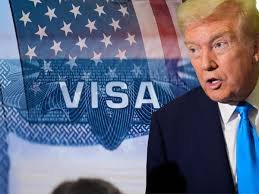
The US immigrant visa suspension for 75 countries has shocked applicants around the world, especially in regions like South Asia, Africa, Latin America, and the Middle East. The decision means many people hoping to move to the United States permanently may now face long delays or complete uncertainty about their future plans.
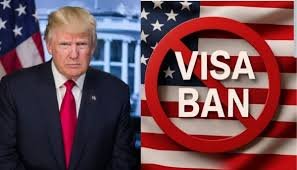
This new move comes under President Donald Trump’s administration, which has already taken a very tough stance on immigration since returning to office in 2025. Officials say the US immigrant visa suspension for 75 countries is part of a wider review of how immigrants are screened for the risk of becoming a “public charge,” meaning someone who might depend on American government benefits.
What Is the US Immigrant Visa Suspension for 75 Countries?
The US immigrant visa suspension for 75 countries is a policy where the State Department will pause processing of immigrant visas (permanent residency visas) for citizens of selected countries. According to US officials, this suspension will begin on January 21 and will stay in place while the government reassesses its immigration processing rules.
Under this policy:
- Only immigrant visas are affected, such as visas that lead to green cards and permanent settlement.
- Visitor visas and other non‑immigrant visas like tourist and business visas are not directly included in the suspension.
- The review focuses on whether applicants from these countries are more likely to use welfare or public benefits in the United States.
Officials say the US immigrant visa suspension for 75 countries will remain until they are confident new immigrants will not “take welfare and public benefits” from American taxpayers.
Why Is the US Immigrant Visa Suspension for 75 Countries Happening?
The government links the US immigrant visa suspension for 75 countries to its “public charge” policy, which looks at whether a person might rely on US government support in the future. A State Department cable and public statements show that consular officers have been told to evaluate applicants more strictly on income, job skills, education, and family situations.
Key reasons given for the suspension include:
- Reducing the number of immigrants who might become financially dependent on the US government.
- Encouraging migrants to show stronger proof of financial self‑sufficiency before getting an immigrant visa.
- Giving time for the State Department to redesign its screening rules and training for consular officers.
Critics, however, argue that the US immigrant visa suspension for 75 countries is another step in making legal immigration much harder, not just stopping illegal migration.
Which Countries Are Affected by the Suspension?
Reports show that the US immigrant visa suspension for 75 countries covers a wide mix of nations across almost every region. The list mentioned in media reports includes important countries such as Brazil, Colombia, Pakistan, Bangladesh, Nigeria, Egypt, Somalia, Haiti, Iran, Iraq, Russia, and many others in Africa, Asia, Eastern Europe, and the Caribbean.
Examples of affected regions:
- South Asia: Pakistan, Bangladesh, Nepal and others.
- Latin America & Caribbean: Brazil, Colombia, Guatemala, Haiti, Cuba, Uruguay, and island states like Saint Lucia and Dominica.
- Africa & Middle East: Nigeria, Egypt, Somalia, Sudan, Libya, Tanzania, Yemen, Syria and several more.
In total, the US immigrant visa suspension for 75 countries touches roughly 38% of all countries in the world, making it one of the largest legal immigration freezes in recent US history.
Impact on Pakistan and Other Affected Countries
For countries like Pakistan, the US immigrant visa suspension for 75 countries will hit families and skilled workers who were planning to move through family‑based or employment‑based immigrant visas. Many applicants have already spent years going through paperwork, interviews, and security checks, and now face fresh delays with no clear timeline.
Possible impacts include:
- Families being separated for longer, as spouses, parents, and children wait for immigrant visa processing to restart.
- Professionals and students who hoped to transition from study or work visas to permanent residency having to change their long‑term plans.
- Travel agencies, immigration consultants, and lawyers in affected countries seeing a surge in client uncertainty and refund requests.
The US immigrant visa suspension for 75 countries does not directly stop visitor visas, which is important for upcoming events like the 2026 World Cup and 2028 Olympics hosted in the United States. But the feeling of risk and unpredictability around immigration rules is likely to grow in many of these societies.
How Does This Fit into Trump’s Wider Immigration Crackdown?
The US immigrant visa suspension for 75 countries is part of a much broader immigration agenda under President Donald Trump. Since returning to office, his administration has expanded immigration enforcement, tightened vetting, increased fees for key visa types, and used executive power to reshape both legal and illegal migration flows.
Recent trends linked to this agenda include:
- More frequent immigration raids and deportations in major US cities.
- Tougher background checks, including social media review, for many visa applicants.
- New rules that make it harder for low‑income families to qualify for immigration benefits.
Experts from think tanks and rights groups say the US immigrant visa suspension for 75 countries could block hundreds of thousands of legal immigrants over the next year if it stays in place. Some analysts call it one of the most aggressive legal immigration restrictions in modern US history.
Reactions and Criticism of the US Immigrant Visa Suspension for 75 Countries
The US immigrant visa suspension for 75 countries has drawn strong criticism from immigration advocates, businesses, and some lawmakers. Critics argue that the policy unfairly targets poorer countries and minorities, and that “public charge” concerns are being used as a political tool.
Main points in the criticism:
- The suspension blocks many who already have sponsors, job offers, or family support in the United States.
- It may hurt US businesses that rely on foreign talent and family‑based stability, especially in healthcare and technology sectors.
- It raises questions about discrimination, as most of the 75 countries are in the Global South.
Legal experts also expect court challenges, arguing that the US immigrant visa suspension for 75 countries may conflict with existing immigration laws and anti‑discrimination protections.
What Does the Suspension Not Affect?
It is important to be clear about what the US immigrant visa suspension for 75 countries does not do. The policy does not stop all travel from these nations and does not cancel non‑immigrant visas in general.
Areas not directly covered:
- Tourist visas (B1/B2) for short visits, business trips, or tourism.
- Student visas, some work visas, and visas for events like conferences or sports tournaments.
- US citizens’ right to invite close family for short‑term visits, weddings, or graduations.
However, even if the US immigrant visa suspension for 75 countries does not formally block these categories, applicants may still face tougher questions and more public‑charge‑related checks at embassies.
What Should Affected Applicants Do Now?
For people touched by the US immigrant visa suspension for 75 countries, the situation is stressful but there are some practical steps they can take. Immigration lawyers advise applicants to stay informed and keep their documents updated rather than giving up completely.
Helpful steps include:
- Monitoring official updates from the US embassy website and the State Department.
- Staying in contact with your lawyer or consultant to understand how the suspension applies to your specific case.
- Keeping financial documents, job offers, tax records, and sponsor information ready, in case the rules change again.
- Considering alternative countries for study, work, or immigration while the US immigrant visa suspension for 75 countries remains in place.
People should be cautious about misinformation on social media and rely on trusted news sources and official channels for updates.
Future Outlook of the US Immigrant Visa Suspension for 75 Countries
Right now, there is no clear end date for the US immigrant visa suspension for 75 countries. The State Department has said the pause will last until it finishes reviewing how to apply public‑charge rules and updates its internal guidance.
Possible future scenarios:
- The review might result in new strict standards that keep many of these countries under long‑term restrictions.
- Some countries could be removed from the list if their governments sign new information‑sharing or financial agreements with the US.
- A change in political leadership or court decisions could cancel or soften the suspension in the coming years.
For now, the US immigrant visa suspension for 75 countries is a major turning point in US immigration policy and a serious concern for families and workers around the world. Anyone affected needs to follow developments closely and prepare for both delays and possible policy shifts in the future.