Introduction
The Ukraine-Russia Peace Deal stands as one of the most remarkable diplomatic achievements of the 21st century. After years of devastating conflict, endless negotiations, and millions affected on both sides, leaders from Ukraine and Russia, aided by global diplomats, finally forged a compromise. This agreement, brokered in Abu Dhabi by former U.S. President Donald Trump, ushers in a new era for Europe and symbolizes the power of persistence in negotiation.
As the dust settles, experts and citizens alike examine what the Ukraine-Russia Peace Deal truly means, both for the countries involved and the world’s wider stability.
Why the Ukraine-Russia Peace Deal Matters
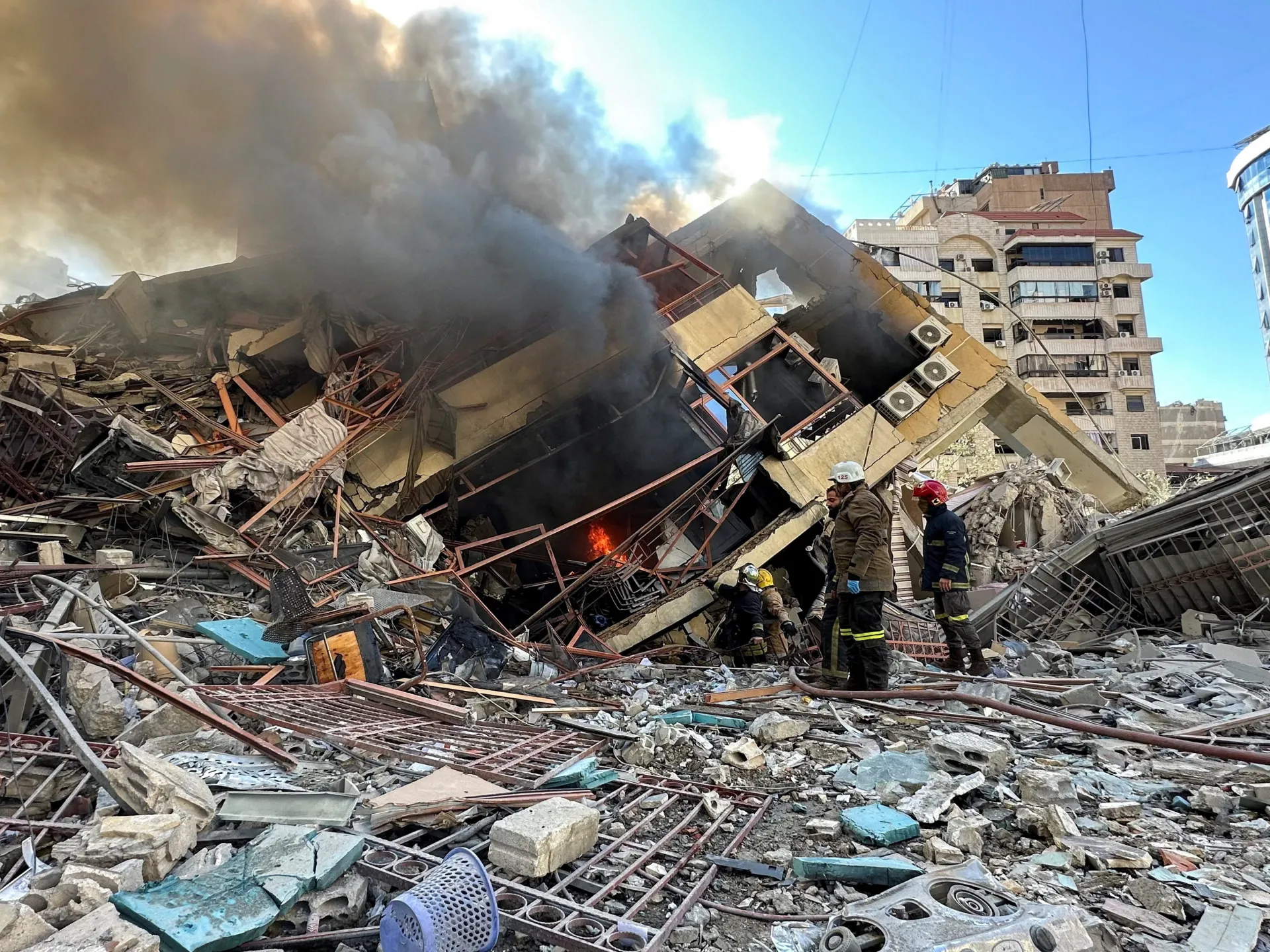
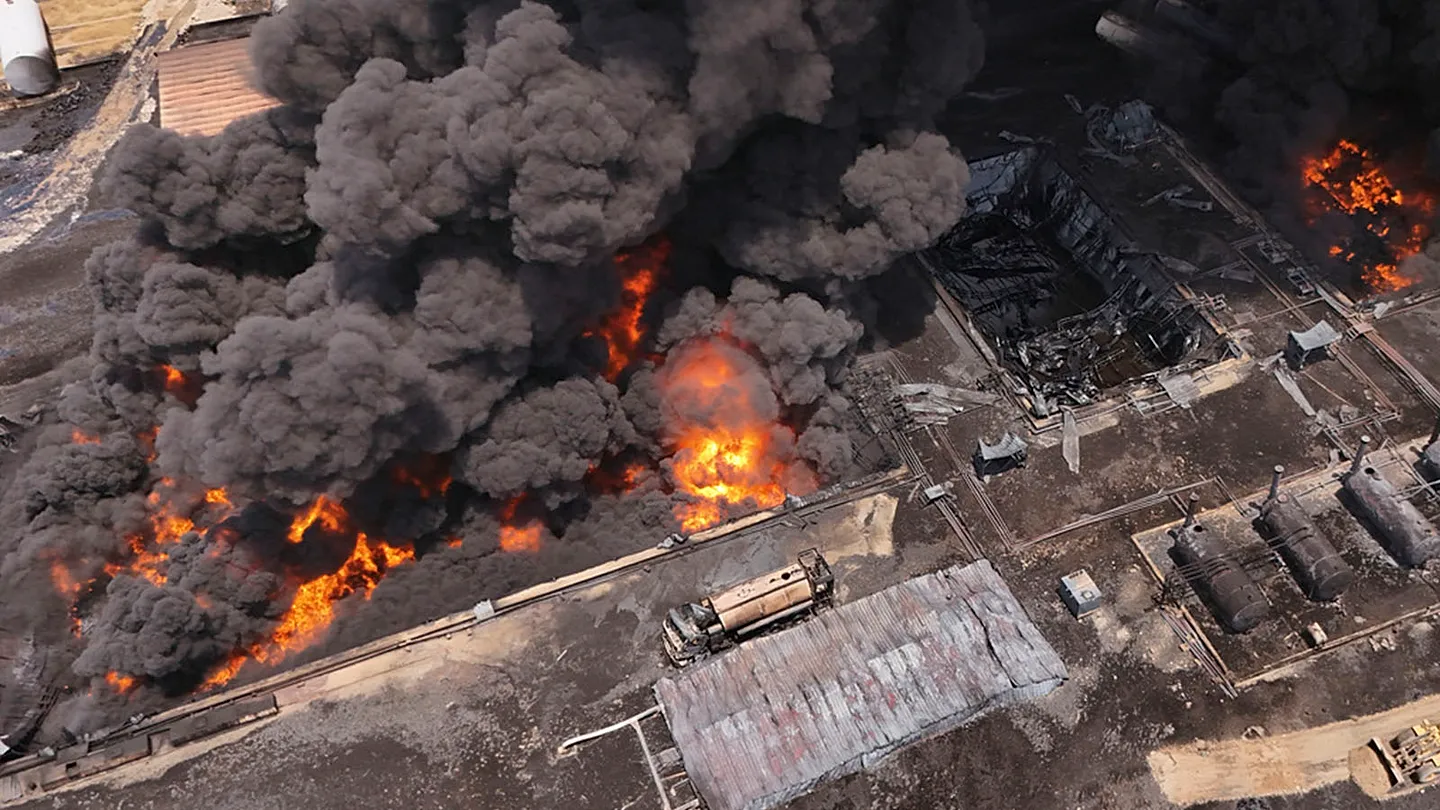
Before this deal, the Ukraine-Russia conflict had raged for over a decade, resulting in economic collapse, significant loss of life, and dramatic shifts in global alliances. Each previous effort at mediation fell short, largely due to irreconcilable demands—Ukraine’s insistence on absolute sovereignty, Russia’s security concerns, and Western pressure for compromise.
The Ukraine-Russia Peace Deal is critical for several reasons:
- It ends active hostilities between two major European nations.
- It opens economic and humanitarian support channels, easing the suffering of millions.
- It sets new standards for international negotiation, showing that even the toughest disputes can yield solutions.
- It offers a blueprint for dealing with future global crises.
Background: The Road to Historic Peace
The path to the Ukraine-Russia Peace Deal was long and winding. Hostilities began in 2014 with Russia’s annexation of Crimea, followed by years of skirmishes over the eastern Donbas region. The world watched as frontline cities fell, refugees flooded neighboring countries, and sanctions crippled both economies.
Multiple peace efforts—ranging from the Minsk Agreements to various UN proposals—failed because neither Kyiv nor Moscow were willing to make enough concessions. At times, Western leaders attempted to bridge the gap, but domestic politics and distrust hindered consensus.
Everything changed in 2025. Desperate for resolution, both sides accepted an invitation to negotiate in Abu Dhabi, supported by U.S. diplomatic intervention.
Abu Dhabi Talks and Trump’s Diplomacy
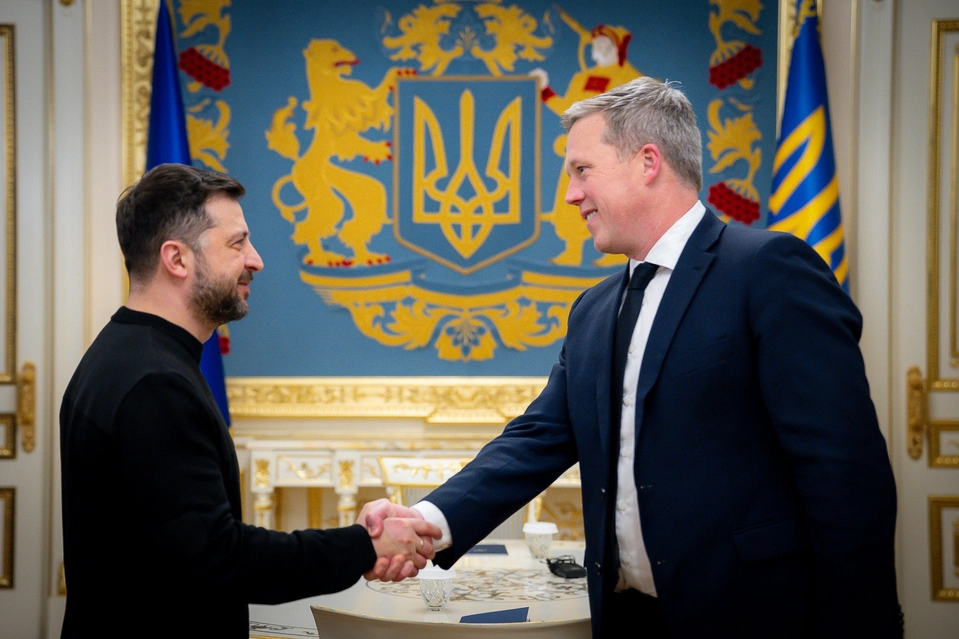
Abu Dhabi, neutral and respected internationally, provided the perfect location for confidential, high-stakes negotiations. Former President Trump, leveraging relationships built during his time in office, returned to the global stage as chief mediator. Unlike previous mediators, Trump was able to convene private, candid meetings between President Zelenskyy of Ukraine and President Putin of Russia.
Through a series of marathon sessions—witnessed by U.S. Army Secretary Dan Driscoll and diplomat Steve Witkoff—Trump’s team developed a fresh framework. This new plan rejected controversial proposals and prioritized realism, mutual security, and economic recovery. It balanced both Ukraine’s autonomy concerns and Russia’s demands for regional safety.
Trump’s personal intervention was widely credited for building trust, cutting through bureaucratic inertia, and persuading both sides to rethink previously “red line” positions.
Key Terms of the Ukraine-Russia Peace Deal
The final deal—signed in a dramatic ceremony watched worldwide—contains several key elements:
- Territorial Compromise: Rather than Ukraine ceding Donbas, both sides agreed to shared administration, monitored by international observers. Border controls are eased for civilians, but remain tight for military movement.
- Security Guarantees: Ukraine retains sovereignty and armed forces, but agrees to a phased, verifiable reduction in troops near disputed areas. Russia, meanwhile, pledges not to seek further territorial expansion.
- Economic Support: Billions in aid flow immediately into affected regions, including UN-led reconstruction teams, medical assistance, and support for displaced families. Both sides commit to joint development projects in critical infrastructure.
- Humanitarian Relief: Access for NGOs is guaranteed, and permanent ceasefires allow for resettlement, trauma counseling, and local rebuilding. Civilians that fled conflict zones receive priority for government-backed home returns.
- International Oversight: The deal creates new multilateral committees, comprised of EU, UN, U.S., and neutral members, with authority to intervene if either party violates terms.
- Minority & Cultural Rights: The deal sets protections for ethnic minorities and language groups, aiming to prevent future unrest driven by local grievances.
Reactions from Leaders and Public
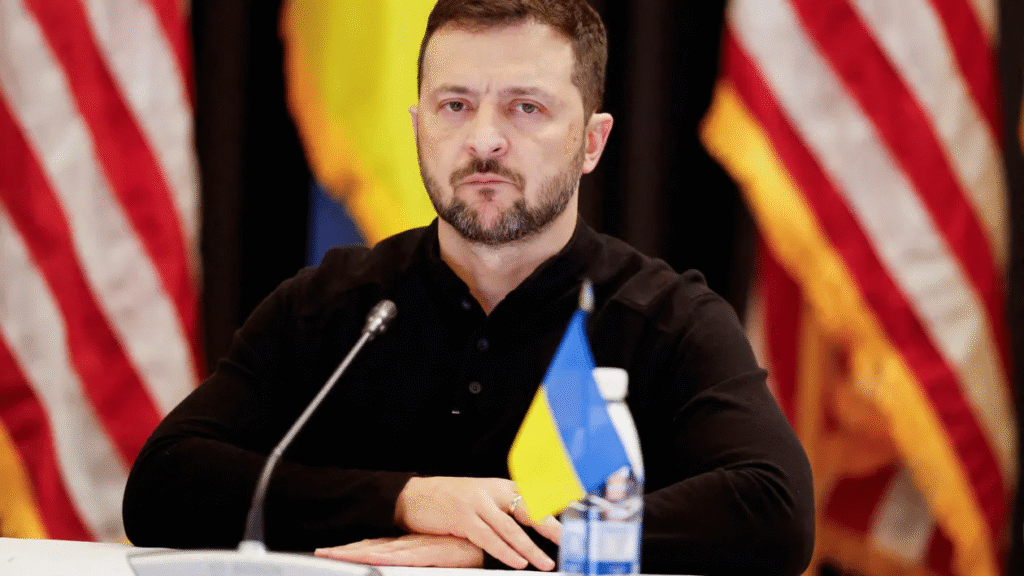
President Zelenskyy addressed his nation in a televised speech, calling the Ukraine-Russia Peace Deal “a new beginning” and affirming Ukraine’s sovereignty. In Moscow, President Putin emphasized his desire for regional stability and called the deal “a victory for peace.”
Former President Trump took to social media, proclaiming: “This is diplomacy in action. The Ukraine-Russia Peace Deal is proof that talking works—war always loses.”
International observers largely praised the deal, though skeptics warn that enforcing peace will be challenging, given years of mistrust and trauma.
Public reaction is mixed but hopeful. Ukrainian and Russian citizens, many displaced or separated from families, view the peace deal with cautious optimism as they wait for real-life improvements.
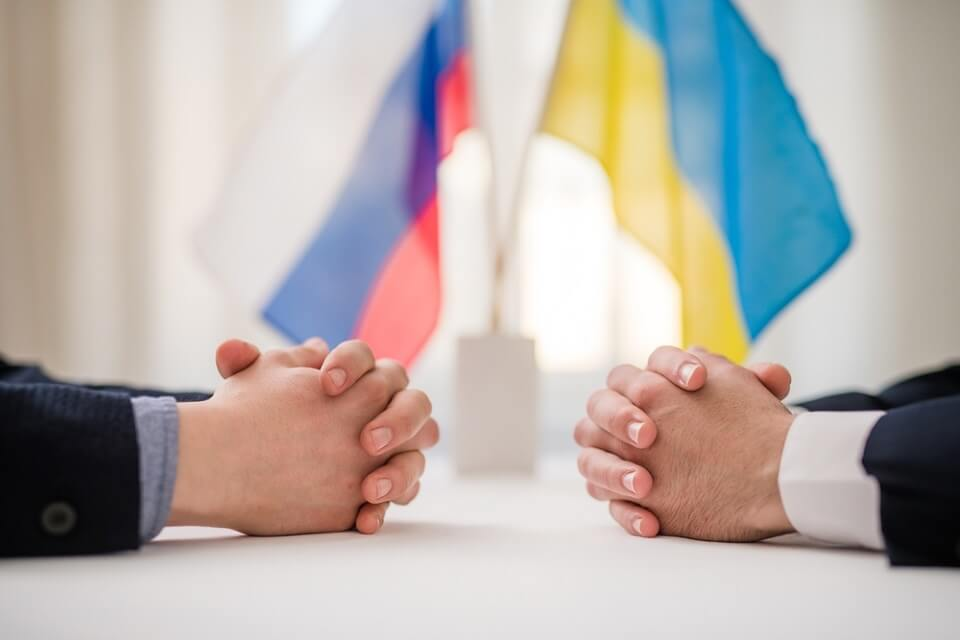
Global Impact and Europe’s New Security Landscape
This Ukraine-Russia Peace Deal redefines security policy across Europe:
- NATO welcomes reduced tensions but promises continued vigilance.
- The EU increases support for cross-border projects and invites Ukraine to deeper integration.
- Global markets react positively, expecting improved investment climate and trade.
- Human rights organizations, while celebrating, demand ongoing transparency in deal enforcement.
Other nations facing prolonged conflicts—from the Middle East to Africa—look to the Ukraine-Russia Peace Deal as a model for negotiating compromise while upholding national dignity.
Frequently Asked Questions (FAQs)
Q: What makes the Ukraine-Russia Peace Deal different from past agreements?
A: This deal was brokered with direct U.S. mediation in a neutral location, leading to more practical, mutually beneficial terms and immediate implementation plans.
Q: Will the peace last?
A: With international oversight and strong economic incentives, experts predict the deal will hold, but warn of possible setbacks as both sides adjust to new realities.
Q: How are civilians affected by the Ukraine-Russia Peace Deal?
A: Civilians gain safety, opportunities to return home, and access to aid—though complete recovery will take years.
Q: What does the deal mean for global security?
A: The Ukraine-Russia Peace Deal sets a precedent for peaceful conflict resolution, encouraging diplomatic approaches worldwide.
Q: Can international organizations intervene if the deal breaks down?
A: Yes, new multilateral committees now have the authority to monitor and respond to violations.
Addressing Common Misunderstandings
Some rumors suggest Ukraine “lost” in the deal or Russia “gave up” key demands. In reality, the Ukraine-Russia Peace Deal is the result of careful compromise, with both sides making significant concessions for lasting stability.
It’s also important to note that peace on paper requires real-world follow-through—ongoing international vigilance, local reconciliation, and economic development are vital to sustaining the agreement.
Conclusion
The Ukraine-Russia Peace Deal marks an extraordinary achievement for diplomacy, creating the conditions for peace after years of bitter war. Abu Dhabi’s summit, under Trump’s bold leadership, offered the right environment for trust, realism, and creative compromise.
As Europe enters a new era, the world will watch how both nations transform crisis into collaboration. While challenges remain, the foundations for security, cooperation, and prosperity are finally in place.
Stay tuned for updates, expert interviews, and ongoing coverage as the Ukraine-Russia Peace Deal moves from agreement to action—and reshapes the future of international relations.