Introduction
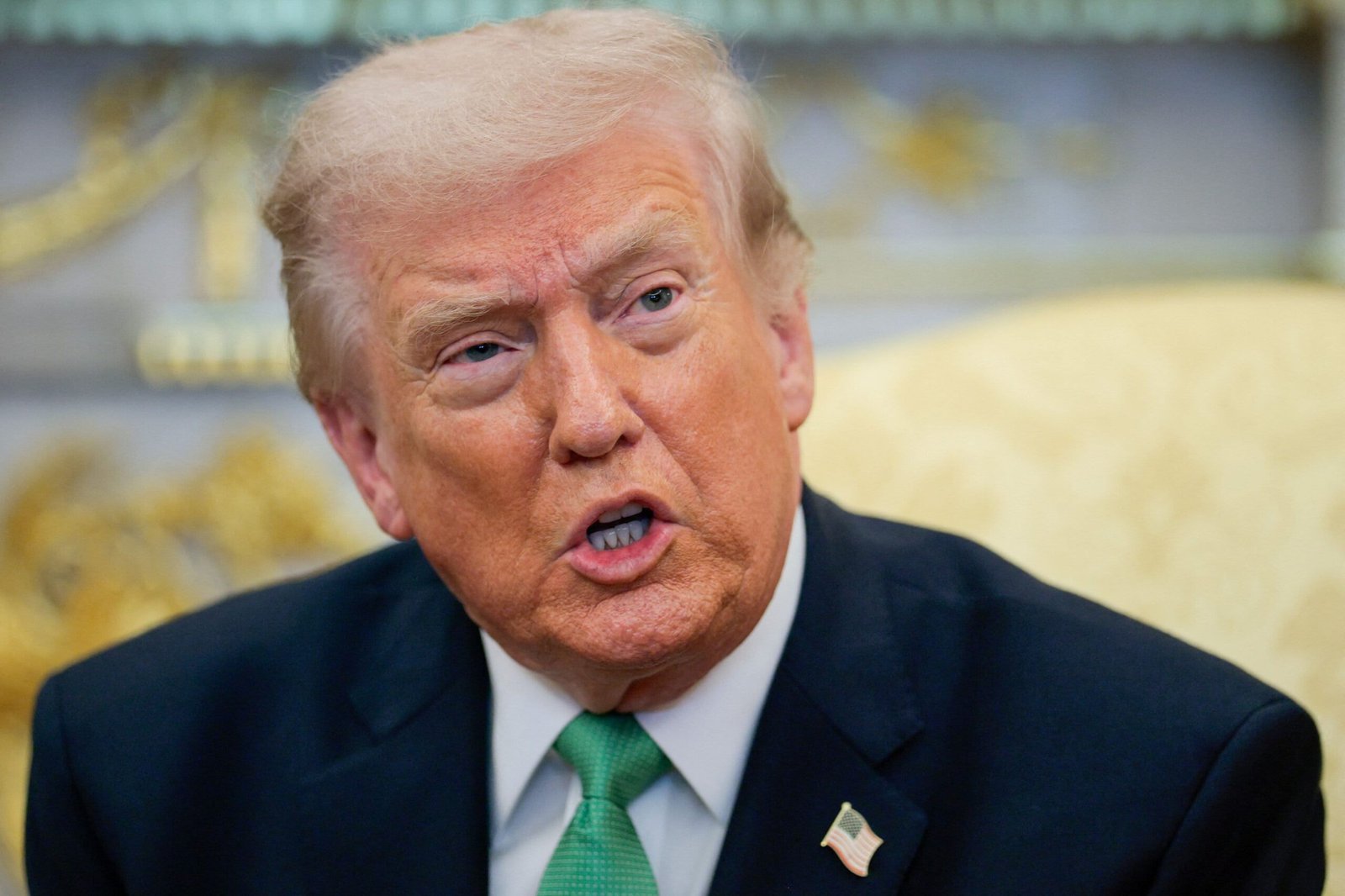
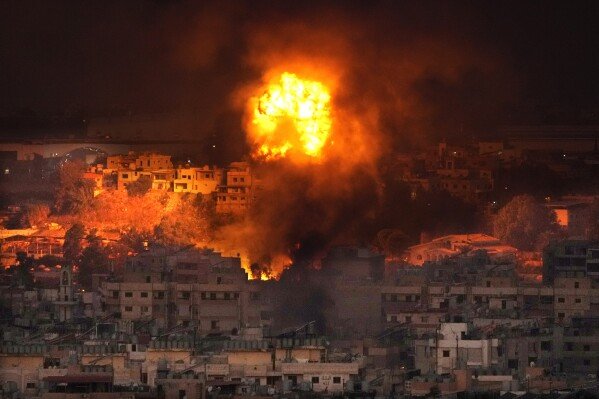
President Trump and the UK Prime Minister held a high‑level phone call on 17 February 2026 to review some of the world’s most urgent crises. During the call, they discussed Russia’s war in Ukraine, the humanitarian emergency in Gaza, and ongoing talks about Iran’s nuclear programme, with both leaders stressing the need for peace and regional stability.
Strong condemnation of attacks in Ukraine
During the call, the Prime Minister once again issued a strong condemnation of President Putin’s attacks on innocent civilians in Ukraine, describing the latest waves of missile and drone strikes as barbaric and completely unjustifiable under international law. He stressed that targeting homes, energy infrastructure and other civilian sites only deepens the suffering of ordinary Ukrainians, especially in harsh winter conditions, and makes clear that Russia is not serious about a genuine peace. The Prime Minister underlined that the UK will continue to stand shoulder to shoulder with the Ukrainian people as they face ongoing Russian aggression, through military assistance, economic support and sustained diplomatic backing on the world stage.
Both leaders also discussed the diplomatic efforts currently under way to reach a just and lasting peace that would bring an end to the fighting without rewarding aggression. They stressed that any settlement must fully respect Ukraine’s sovereignty and territorial integrity, provide credible security guarantees, and help ensure that similar large‑scale attacks on civilians are deterred in the future through accountability, sanctions and long‑term international support for Ukraine’s defence.
Focus on Gaza and the humanitarian crisis
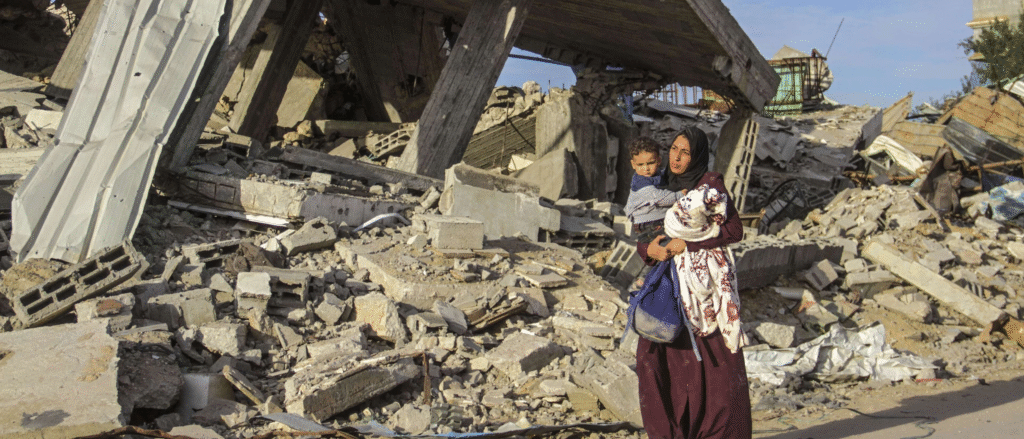
Turning to the Middle East, the leaders discussed the dire situation in Gaza. The Prime Minister reflected on the level of destruction and the suffering of civilians in the territory.
He highlighted how important it is to secure more and safer access for humanitarian aid so that food, medical supplies and other essentials can reach people in need. The Prime Minister also voiced his support for the US‑led peace plan that aims to stop the violence and lay the groundwork for a more durable political solution.
Shared commitment to Middle East peace and stability
The call also focused on broader efforts to promote stability across the Middle East. The Prime Minister and President Trump confirmed their shared commitment to reducing tensions and backing diplomatic initiatives that can prevent further escalation in the region.
They noted that lasting peace in the Middle East depends on coordinated work among allies and regional partners. Both leaders agreed that the UK and US must continue to play an active role in supporting dialogue, security cooperation, and political agreements that can lower the risk of new conflicts.
Talks with Iran over its nuclear programme
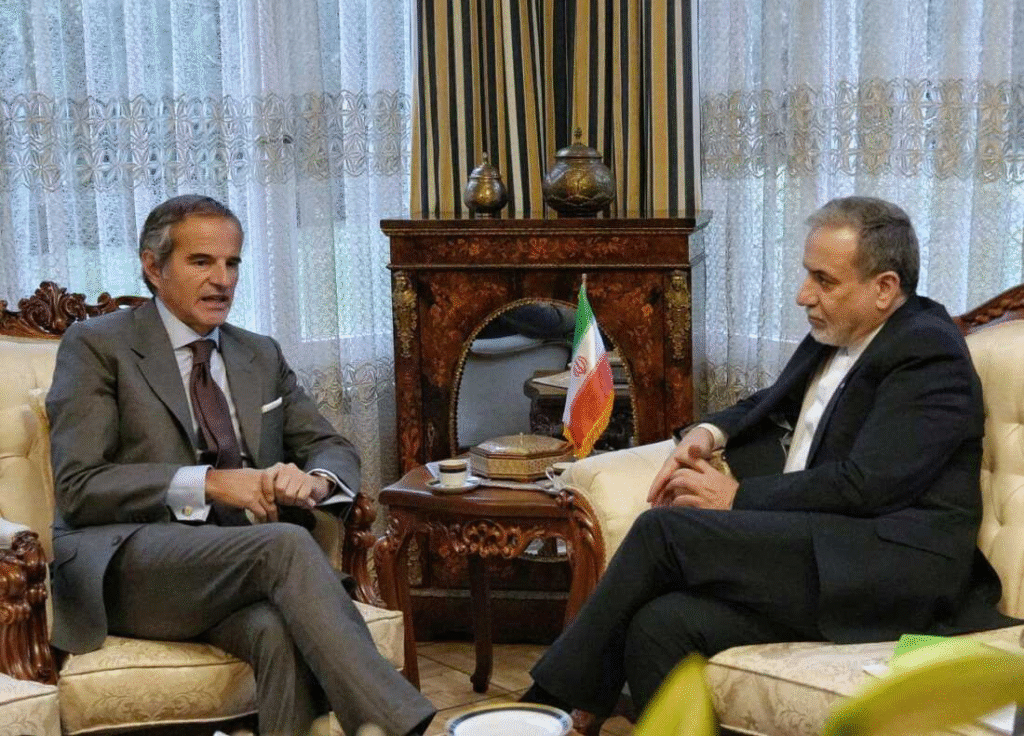
Another key part of the conversation was the ongoing high‑stakes talks in Geneva between the United States and Iran over Tehran’s nuclear programme, which both leaders see as central to long‑term security in the Middle East and beyond. The Prime Minister and President Trump reviewed the current status of these negotiations, the pace of diplomatic progress, and the risks that would follow if diplomacy fails, stressing how closely the talks are tied to wider regional stability and global non‑proliferation efforts.
They were unequivocal that Iran must never be allowed to develop a nuclear weapon, describing its nuclear ambitions as a serious threat to international security and to the safety of allies in Europe and the wider region. The Prime Minister and President Trump underlined that the UK, the US and their partners need to stay tightly aligned, sharing intelligence and coordinating diplomatic pressure and sanctions, as they work to curb nuclear risks, prevent any pathway to a bomb, and strengthen broader non‑proliferation arrangements across the region.
Conclusion: Close coordination in a tense global environment
The call between the UK Prime Minister and President Trump underlined how closely London and Washington are coordinating in response to multiple crises. From Ukraine’s defence against Russian aggression to the humanitarian disaster in Gaza and the challenge of Iran’s nuclear ambitions, both leaders presented a united front on the need for diplomacy, security cooperation and long‑term stability.