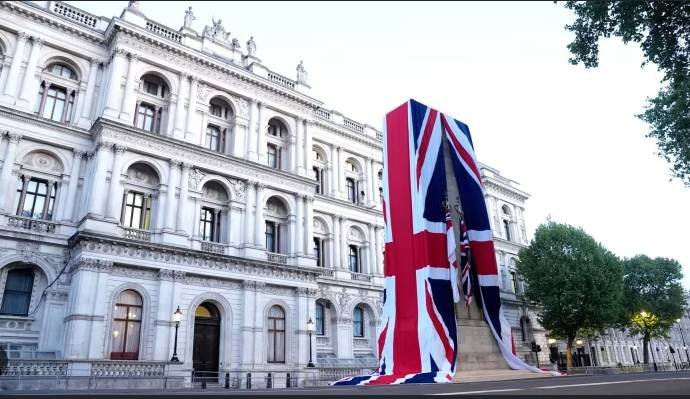
Introduction: UK Foreign Office Data Hack Sparks Security Concerns
The UK Foreign Office data hack has intensified concerns about how securely sensitive government information is stored and managed. Although ministers insist the incident is “fairly low risk,” the breach is another reminder that even high‑level departments remain attractive targets for cyber attackers.
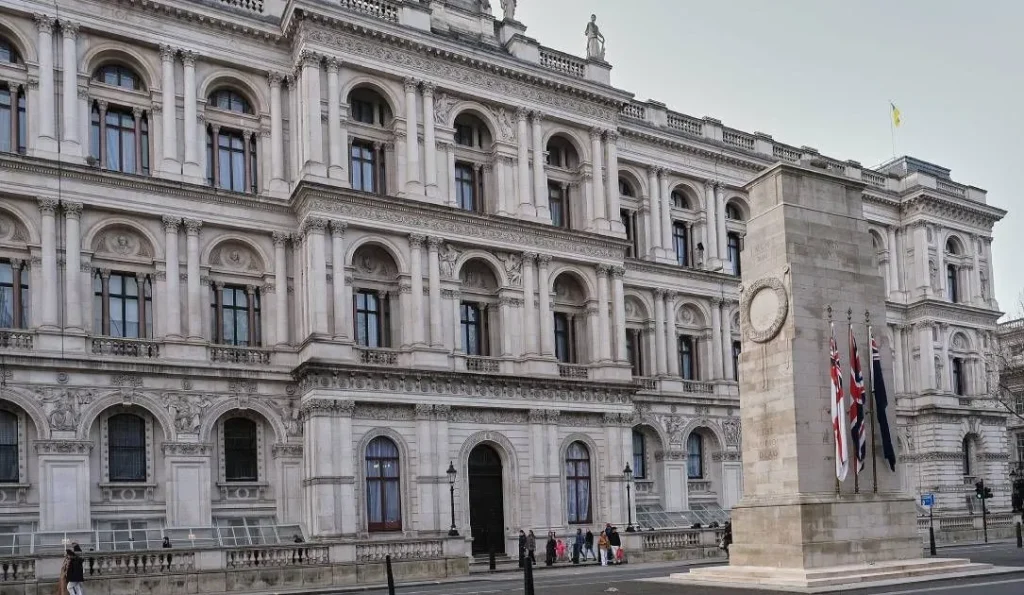
When Did the UK Foreign Office Data Hack Happen?
Officials confirmed that the UK Foreign Office data hack took place in October 2025 on systems linked to the Foreign, Commonwealth and Development Office (FCDO). Trade Minister Chris Bryant said the government had been investigating the incident since it was discovered and moved quickly to contain the problem.

How Did the UK Government Respond to the Cyber Incident?
Chris Bryant publicly acknowledged that there had been “a hack related to the FCDO” and said the system vulnerability involved had been closed. He described the situation as “fairly low risk” but emphasised that the government was treating the UK Foreign Office data hack as a serious cyber incident.
A government spokesperson added that teams had been working to investigate the breach and reiterated that the UK takes the security of its systems and data “extremely seriously.”
Who Is Suspected Behind the UK Foreign Office Data Hack?
The Sun reported that a cyber gang known as Storm‑1849 is suspected of carrying out the UK Foreign Office data hack. This group has previously been accused of targeting critics of Beijing and is linked in some reports to China‑related cyber activity.
When asked if China was involved, Chris Bryant said he could not confirm the origin of the attack and did not know whether Chinese hackers were responsible. So far, the UK government has not officially attributed the incident to any specific state or actor.
What Kind of Data May Be at Risk?
Authorities have not publicly detailed the exact type of information accessed in the UK Foreign Office data hack. Because the FCDO handles diplomatic, security, and personal data, any intrusion raises the possibility that sensitive material may have been exposed or copied.
The incident comes after a separate July case, when a Ministry of Defence official accidentally leaked a document containing the names and details of almost 19,000 Afghans who had applied to relocate to the UK, as well as information on more than 100 Britons including spies and special forces personnel. Together, these events highlight serious data‑protection challenges across government departments.
Why the UK Foreign Office Data Hack Matters for Cybersecurity
The UK Foreign Office data hack matters because it shows that even core government institutions remain vulnerable to increasingly sophisticated cyber operations. Foreign ministries are prime targets for espionage, as they hold detailed information on diplomatic negotiations, intelligence contacts, and international partnerships.
Cybersecurity experts warn that repeated incidents can erode public trust and damage the UK’s reputation as a secure partner for intelligence sharing. They argue that better training, stricter access controls, and continuous monitoring are needed to reduce the risk of future breaches.
Cyber Gangs and Previous Attacks on UK Institutions
The UK Foreign Office data hack is part of a broader pattern of cyber attacks on British organisations in recent years. Cyber gangs and suspected state‑linked groups have previously targeted UK hospitals, the postal service, luxury brands, and retailers, sometimes disrupting services and threatening large volumes of personal data.
These attacks underline how public services, supply chains, and critical national infrastructure can all be affected by cyber crime. The Foreign Office breach adds a diplomatic and national‑security dimension to this growing threat landscape.
What Happens Next After the UK Foreign Office Data Hack?
Investigations into the UK Foreign Office data hack are continuing, with technical teams working to understand exactly how the attackers gained access and what they may have taken. The findings are expected to inform wider improvements in government cyber defences, especially for departments handling sensitive international and security information.
Policymakers are also likely to face pressure to increase transparency around cyber incidents and to strengthen cooperation with allies on threat intelligence and cyber resilience. For citizens, the case is another reminder of how important it is that public institutions invest in robust, modern cybersecurity.
Conclusion: Lessons from the UK Foreign Office Data Hack
The UK Foreign Office data hack may be described as “low risk,” but it exposes significant vulnerabilities at the heart of government. With cyber gangs such as Storm‑1849 and suspected state‑linked actors increasingly active, the incident shows that strong defences and rapid responses are essential.
As the investigation continues, the UK will need to translate lessons from this breach into concrete improvements, to better protect sensitive diplomatic data and maintain trust at home and abroad.
FAQs About the UK Foreign Office Data Hack
Q1: When was the UK Foreign Office data hack discovered?
The cyber incident affecting the Foreign Office was detected in October 2025 and publicly confirmed by ministers in December.
Q2: Who is thought to be behind the hack?
Media reports point to the cyber gang Storm‑1849, which has been accused of targeting critics of Beijing, but the UK government has not officially confirmed who carried out the attack.
Q3: What did Chris Bryant say about the incident?
Trade Minister Chris Bryant said there had been a hack related to the FCDO, that it has been under investigation since October, and that the situation is considered “fairly low risk.”
Q4: What types of data might have been affected?
Officials have not given full details, but because FCDO systems were involved, the breach could potentially include sensitive diplomatic or personal information.
Q5: Has the UK had other recent data problems?
Yes. In July, a Ministry of Defence document leak exposed data for almost 19,000 Afghans seeking relocation and more than 100 British personnel, including spies and special forces.
Q6: How has the government responded overall?
The government says it has closed the vulnerability, launched a detailed investigation, and insists it takes system and data security extremely seriously.
Q7: Why is the UK Foreign Office a prime cyber target?
The Foreign Office handles sensitive diplomatic communications and policy information, making it highly valuable to cyber gangs and foreign intelligence services.
Q8: What are the wider cybersecurity lessons from this hack?
The incident highlights the need for stronger cyber hygiene, better staff awareness, continuous monitoring, and modernised systems across government to reduce the risk of future breaches.