U.S. Seizure of Tanker Paralyzes Venezuelan Oil Exports and Puts Chevron Under Fire
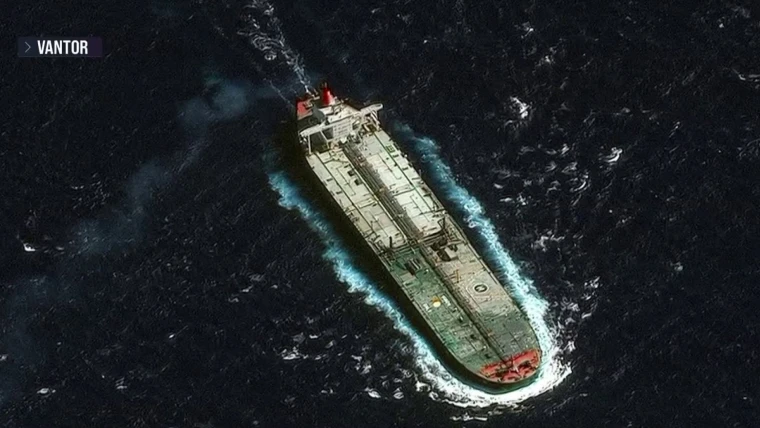
The recent U.S. seizure of tanker carrying sanctioned Venezuelan crude has sent shockwaves through global energy markets and dealt a new blow to President Nicolás Maduro’s already fragile regime. By targeting a vessel allegedly linked to Venezuela’s shadow export network, Washington has frozen a key route for Venezuelan oil exports and increased pressure on Chevron, one of the last major Western companies still operating in the country.
How the U.S. Seizure of Tanker Froze Venezuela’s Oil Exports
Shipping and sanctions‑monitoring data indicate that the U.S. seizure of tanker was aimed at a vessel believed to be moving Venezuelan crude in violation of U.S. sanctions. After the operation, several tankers tied to the same shadow fleet either halted near Venezuelan ports, changed course, or went dark by switching off their tracking systems, leaving multiple crude cargoes stranded offshore.
Venezuela holds the world’s largest proven oil reserves, but years of mismanagement, corruption, and U.S. sanctions on state oil company PDVSA have caused production to collapse. Since 2019, sanctions have sharply limited who can buy Venezuelan oil, forcing Caracas to depend on discreet shipments to a small group of buyers in Asia and allied states willing to risk secondary sanctions.
Chevron’s Risky Role Under Tight U.S. Sanctions
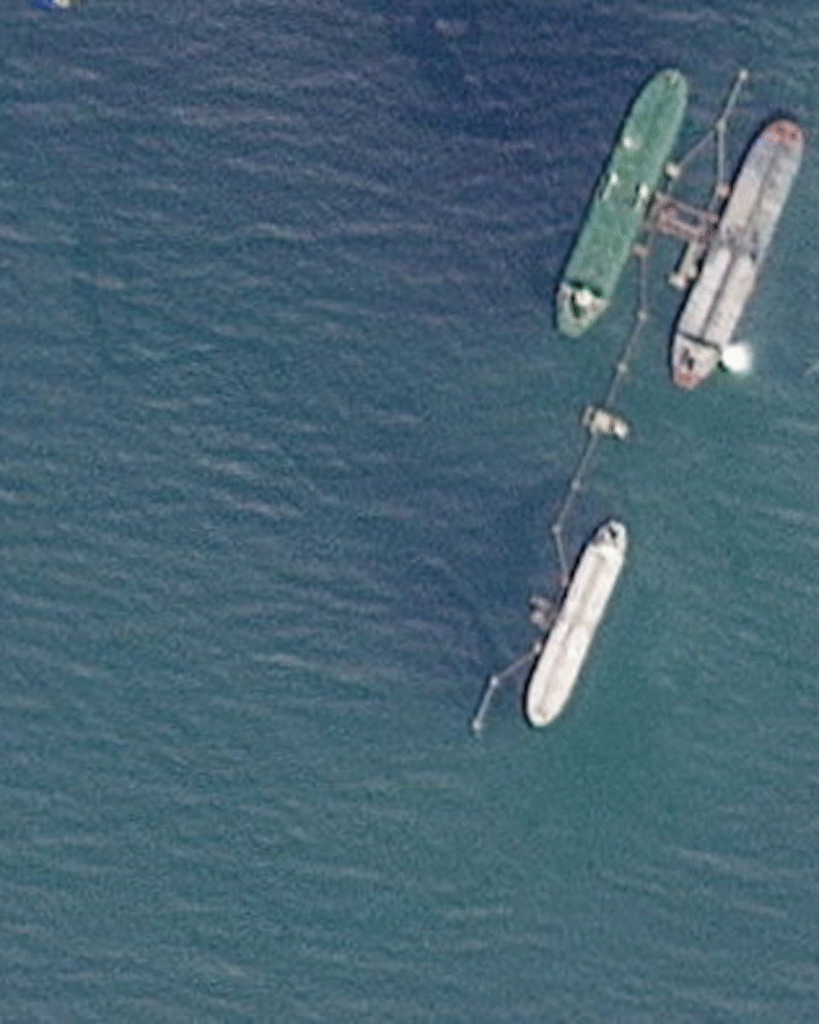
Chevron occupies a uniquely delicate position in this high‑risk landscape as one of the few Western energy majors still allowed to operate in Venezuela under a narrow U.S. license. The company can lift oil from joint ventures with PDVSA and ship it to refineries on the U.S. Gulf Coast, but each cargo must comply with strict rules designed to limit financial benefits for Maduro’s government.
The U.S. seizure of tanker has heightened concern that U.S. regulators could tighten enforcement further, narrowing Chevron’s ability to operate in Venezuela. Investors and policymakers are watching closely to see whether Washington will extend, adjust, or revoke Chevron’s license as it tries to balance pressure on Maduro with domestic worries about fuel prices and energy security.
Ghost Fleet, Sanctions Evasion and Blockade Threats
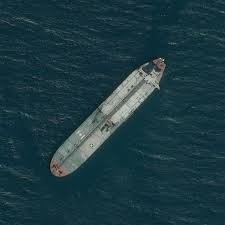
To keep exports flowing despite sanctions, Venezuela has relied on a “ghost fleet” of aging tankers that hide their movements by turning off transponders, falsifying paperwork, or conducting ship‑to‑ship transfers far from shore. The tanker at the center of the U.S. seizure of tanker action is widely believed to have been part of this opaque network used to disguise Venezuelan oil heading to Asian and other buyers.
At the same time, President Donald Trump has threatened a “total and complete blockade” of sanctioned Venezuelan oil tankers entering or leaving the country، signaling a possible escalation beyond individual seizures. Analysts warn that a broader naval blockade or more frequent interdictions could choke off the last remaining export routes, deepen Venezuela’s economic crisis, and inject fresh volatility into an already tight global oil market.
Economic Fallout Inside Venezuela
For Maduro’s government, every blocked or delayed cargo means fewer dollars to stabilize the currency, import fuel and food, or reward political allies who help keep the regime in place. The U.S. seizure of tanker and the resulting paralysis of parts of the ghost fleet tighten an already severe hard‑currency squeeze, raising the risk of higher inflation, deeper shortages, and new hardship for ordinary Venezuelans.
Caracas has tried to offset sanctions by deepening ties with Russia, China, Iran and other U.S. rivals, but these partnerships have not fully replaced lost access to open Western markets. As sanctions enforcement hardens and production struggles to recover, Venezuela’s long‑term recovery prospects weaken further and outward migration pressures across Latin America are likely to intensify.
Impact of the U.S. Seizure of Tanker on Global Oil Markets
The U.S. seizure of tanker comes at a moment when oil prices are already sensitive to supply disruptions, OPEC+ production decisions, and geopolitical tensions along major shipping routes. If Venezuelan exports are cut back further while other producers fail to increase output, global supplies could tighten and push prices higher for consumers in the United States, Europe, and other major importers.
Traders are now focused on three key variables: the future of Chevron’s Venezuela license, the scope of U.S. maritime enforcement, and whether other sanctioned producers or OPEC members step in to fill any supply gaps. Any miscalculation could trigger renewed price spikes, complicating central banks’ efforts to control inflation and slowing already fragile economic growth around the world.