Trump Venezuela Oil Deal: What It Means for Oil Markets and Global Politics
The Trump Venezuela oil deal could result in up to 50 million barrels of Venezuelan oil being sent to the United States, creating major economic and political consequences for both countries. The agreement follows a dramatic political shift in Caracas and signals a new phase in U.S.–Venezuela relations.
This deal is not only about energy supply; it is closely tied to changes in power, foreign policy strategy, and the future of Venezuela’s oil industry.
What Is the Trump Venezuela Oil Deal?
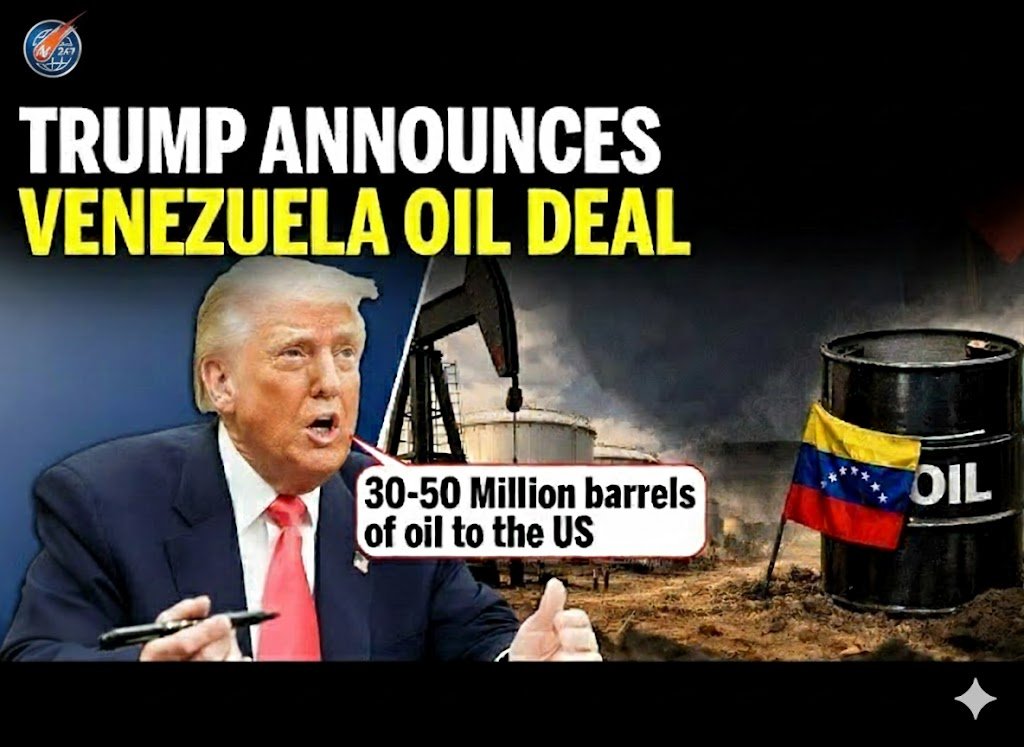
The Trump Venezuela oil deal is an arrangement under which Venezuela’s interim authorities plan to transfer 30 to 50 million barrels of oil to the United States. The oil will be sold at market prices, with revenues placed under U.S. government oversight.
According to Trump, the oil comes from assets that were previously under sanctions and is considered high-quality crude. The shipments are expected to move via storage tankers directly to U.S. ports.
Unlike a standard commercial transaction, this deal is directly linked to political developments in Venezuela and Washington’s role in shaping the country’s transition.
Why Trump Is Interested in Venezuelan Oil
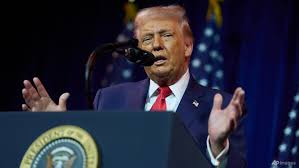
The Trump Venezuela oil deal combines energy security with geopolitical strategy.
After the announcement, U.S. crude futures fell around 1.3%, reflecting expectations of increased supply. Trump has stated that the funds generated from oil sales would be used to support both Venezuelans and Americans.
This approach aligns with Trump’s long-standing view that foreign natural resources should be leveraged to advance U.S. economic and strategic interests.
Role of U.S. Oil Companies and Future Investments
A key part of the Trump Venezuela oil deal is the possible return of major U.S. oil companies to Venezuela.
Reports suggest Trump plans to meet executives from Chevron, ConocoPhillips, Exxon Mobil, and other energy firms to discuss potential investments. These investments could reach billions of dollars, aimed at rebuilding Venezuela’s aging oil infrastructure.
Currently, Chevron is the only U.S. company still operating in Venezuela. Other firms lost assets during nationalizations under Hugo Chávez. If the deal moves forward, it could mark a significant comeback for U.S. energy giants in one of the world’s most oil-rich nations.
Political Background and Power Shift in Venezuela
The Trump Venezuela oil deal follows the removal of Nicolas Maduro from power.
U.S. authorities have confirmed that Maduro and his wife, Cilia Flores, were taken into custody and transported to New York, where they face federal drug-trafficking conspiracy charges. Maduro has denied the allegations and pleaded not guilty.
With Maduro no longer in control, interim authorities are now negotiating oil transfers and broader cooperation with the United States.
Impact on Oil Markets and Ordinary People
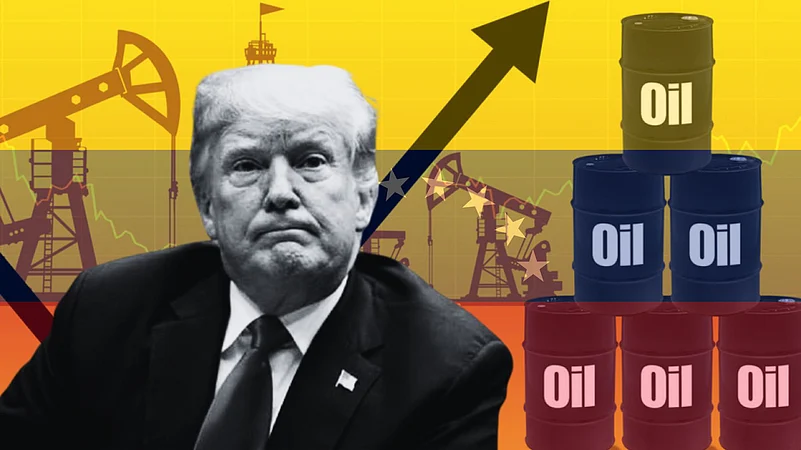
In the short term, the Trump Venezuela oil deal could place downward pressure on oil prices, especially if shipments begin quickly.
Over the longer term, large-scale U.S. investment could increase Venezuela’s production, adding more supply to global markets.
For Venezuelans, the key issue remains whether oil revenues will translate into real improvements through social programs and economic recovery. For Americans, the deal could help stabilize supply and potentially ease energy costs over time.
Global Reactions and What Comes Next
International reactions to the Trump Venezuela oil deal are mixed.
In the U.S. Congress, lawmakers remain divided over Washington’s involvement in managing Venezuela’s transition. Globally, the deal is being watched alongside other resource-focused moves by Trump, including renewed interest in strategic territories.
Attention is now focused on upcoming White House meetings with oil executives and the timeline for the first Venezuelan oil shipments to U.S. ports.
Conclusion
The Trump Venezuela oil deal is not just about oil; it is about power, money, and future control of energy markets for both the United States and Venezuela. If this deal leads to real investment and fair distribution of oil revenue, it could bring stability, but if not handled carefully, it may also raise new political and economic tensions in the region.