Trump’s Board of Peace Meets as Gaza Plan Stalls
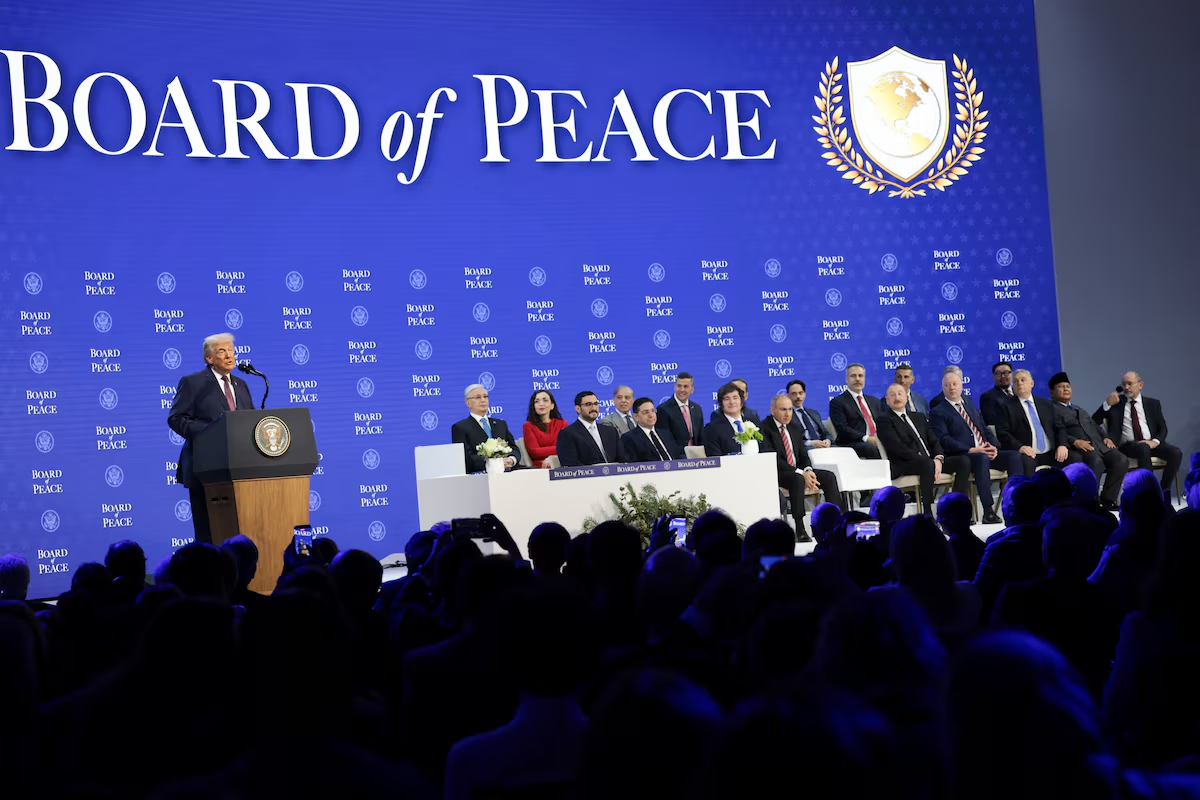
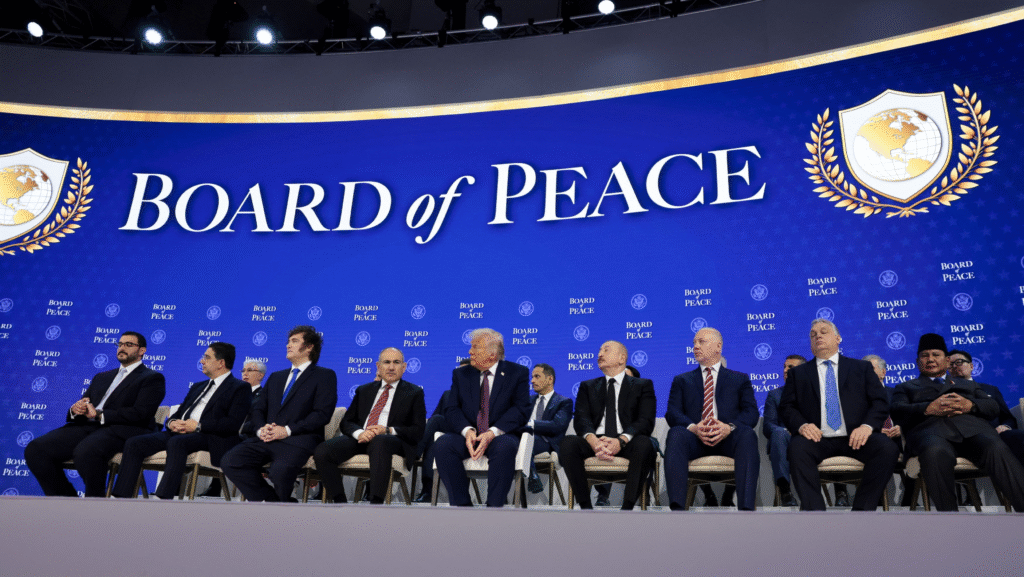
President Donald Trump’s new Board of Peace is set to hold its first meeting in Washington, with officials from dozens of countries expected to attend. The group will receive an update on Trump’s plan to bring stability to Gaza, a plan he has promoted as having “unlimited potential” to reshape the region.
Despite the high‑level gathering, the actual roadmap for Gaza remains stuck. Key details of how the plan would work on the ground are still unresolved, and several important players remain cautious or unconvinced.
What Is Trump’s Board of Peace?
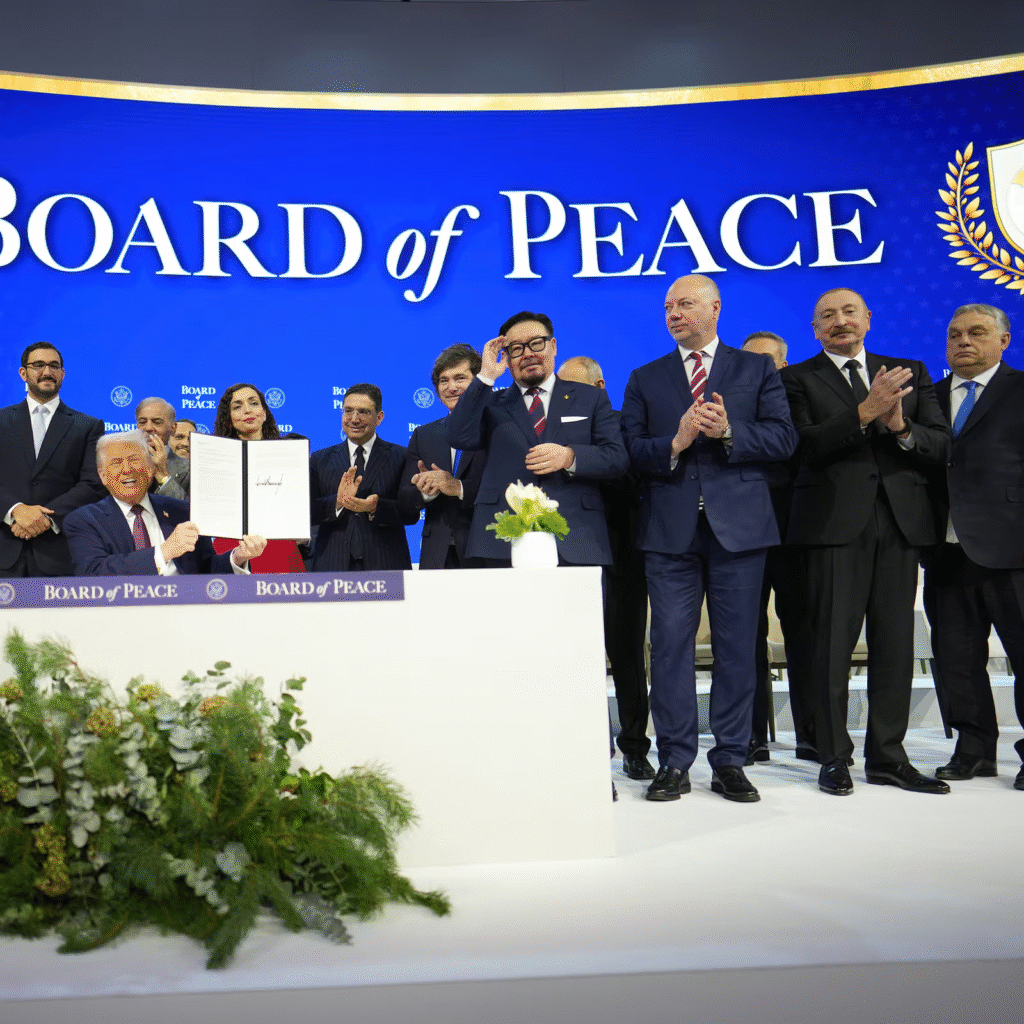
The Board of Peace is an international body announced by Trump during the World Economic Forum in Davos. He has described it as a historic platform that could become “the most consequential international body in history,” with a focus on conflict zones such as Gaza.
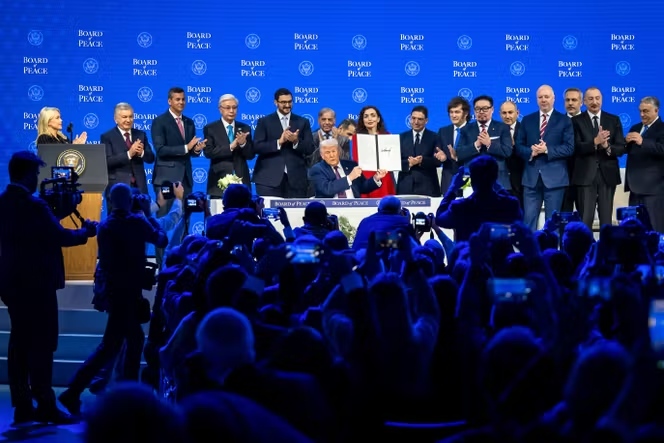
The board brings together representatives from a wide range of countries to discuss security, reconstruction and political arrangements. In theory, it is meant to coordinate support for post‑war stability and help manage the transition in Gaza once major fighting ends.
The Gaza Stability Plan: Big Vision, Slow Progress
Trump’s Gaza plan aims to move the enclave from constant crisis to a more stable and governed territory. It involves ideas around security arrangements, reconstruction funding and possibly changes in who administers Gaza in the long term.
However, the plan has moved slowly. There are disagreements over who should control security, how border crossings would be managed and what role different regional and international partners should play. Some countries are wary of committing money or political support without a clear framework.
Why the Plan Is Struggling
Several obstacles are holding back the Gaza stability plan:
- Political divisions: Regional governments and international partners do not fully agree on who should lead and implement the plan.
- Security concerns: Ongoing instability and the risk of renewed violence make it difficult to design a secure, long‑term structure for Gaza.
- Trust issues: Different sides question each other’s intentions, and some actors doubt whether the board can deliver real change on the ground.
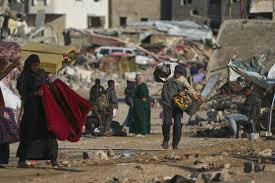
Because of these challenges, what Trump presents as a bold new structure still looks uncertain in practice. The board can meet and discuss, but turning proposals into reality is much harder.
What to Expect from the First Board of Peace Meeting
The inaugural meeting in Washington is expected to focus on updates rather than final decisions. Officials will likely hear progress reports, review existing proposals and discuss possible next steps for Gaza.
There may be calls for more detailed planning on reconstruction, security and governance. Still, without agreement on the core political and security questions, most outcomes from this first session are likely to be symbolic rather than transformative.
Regional and International Reactions
Some countries see Trump’s Board of Peace as a chance to stay involved in shaping Gaza’s future without taking on full responsibility. For them, it offers a platform to voice concerns, signal support and watch how the situation develops.
Others remain skeptical and worry that the process could bypass existing diplomatic channels or ignore local political realities. They are cautious about backing a plan that might not be sustainable or accepted by people on the ground in Gaza.
What This Means for Gaza’s Future
For people living in Gaza, the Board of Peace and stability plan currently represent more talk than concrete change. Daily life is still shaped by insecurity, damaged infrastructure and deep political uncertainty.
If the board can eventually move from speeches to clear, funded and realistic steps, it could help support reconstruction and reduce the risk of future conflict. But until there is agreement on who will guarantee security, manage aid and oversee governance, Gaza’s future will remain unsettled.