Escalating Tensions: Israel Strikes Tehran and Beirut Amid Iran Conflict – Trump’s Take on the War
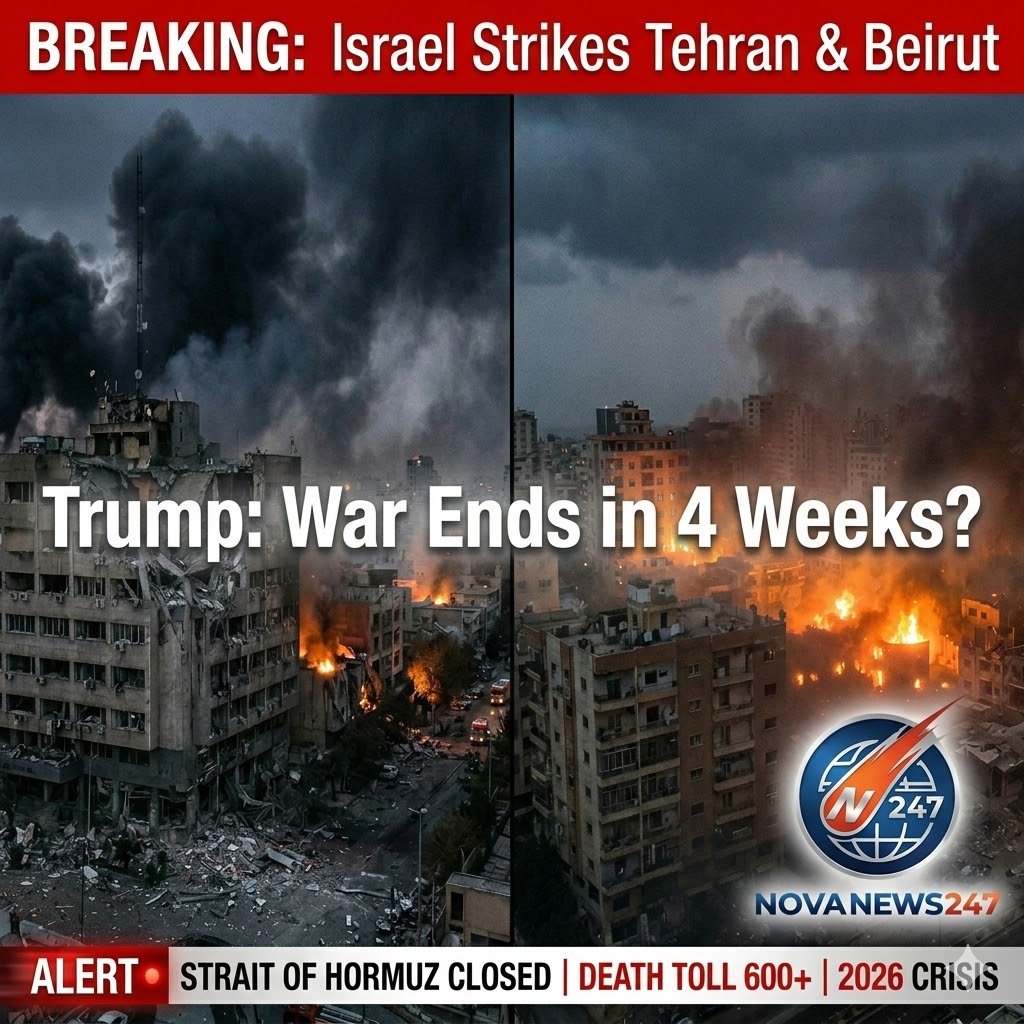
The Middle East is once again gripped by violence that’s hard to watch. Reports coming out today about Israeli airstrikes hitting Tehran and Beirut have left many of us stunned and heartbroken. With former President Donald Trump weighing in, saying this war might wrap up in just four weeks, the situation feels even more urgent. As someone following this closely, I wanted to put together a clear rundown of what’s happening, drawing from reliable sources like Al Jazeera’s live updates. This isn’t just about the headlines – it’s about understanding the roots and the human cost. Let’s break it down step by step.
The Latest Strikes: What We Know So Far
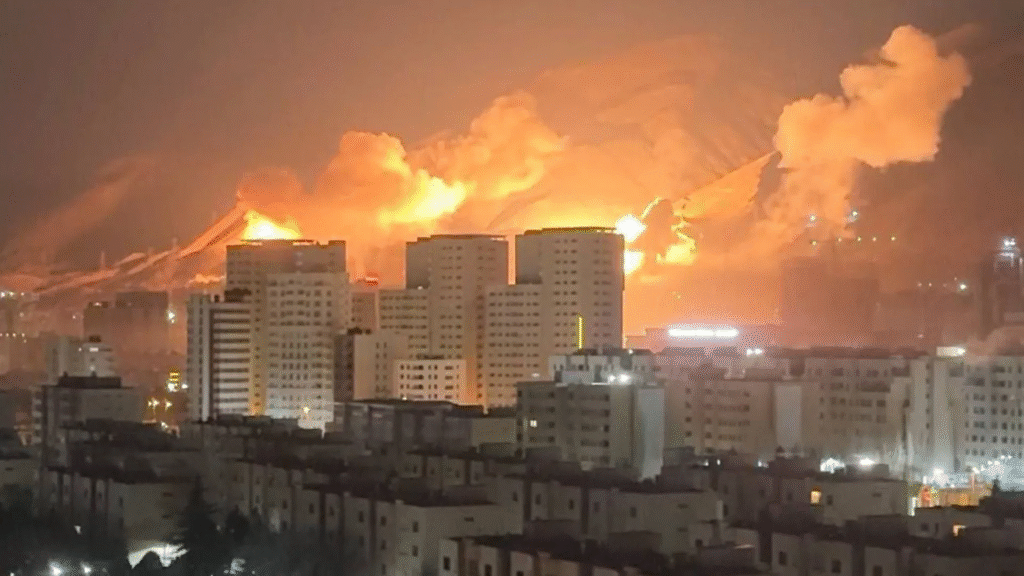
Early today, Israel launched major airstrikes on key spots in Tehran, Iran’s capital. Targets included the state-run TV headquarters and the Shahid Motahhari government complex right in the heart of the city. Witnesses described a “double-tap” attack in downtown Tehran, where a second strike hit shortly after the first, catching people off guard. Blasts echoed across the center, north, and west of the city, and while the TV signal stayed on, the damage is extensive.
At the same time, Beirut in Lebanon faced heavy bombardment in its southern suburbs. Areas like al-Ghubeiri and Haret Hreik got evacuation warnings from Israel just before the raids. This comes on top of ongoing clashes, with Hezbollah firing back by claiming a drone attack on Israel’s Ramat David Air Base. They say they hit radar sites and control rooms as payback for strikes on Lebanon.
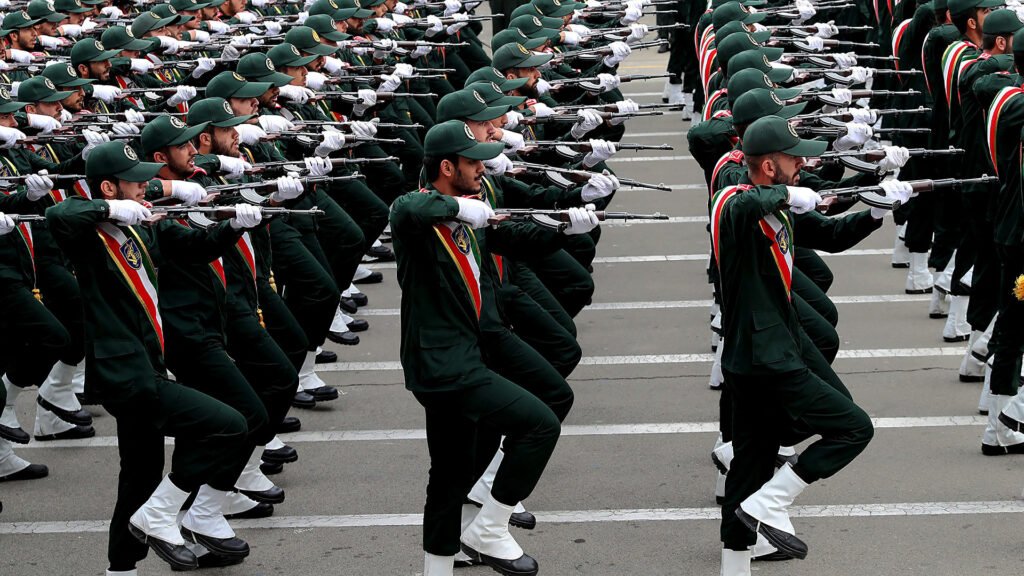
These aren’t isolated incidents. The Islamic Revolutionary Guard Corps (IRGC) in Iran responded by closing the Strait of Hormuz, a vital shipping lane for oil. They even claimed a big drone and missile assault on a U.S. air base in Bahrain, saying they destroyed buildings and set fuel tanks ablaze. No word yet from Bahrain on that, but it’s ramping up fears of a wider regional mess.
Trump’s Comments and U.S. Involvement
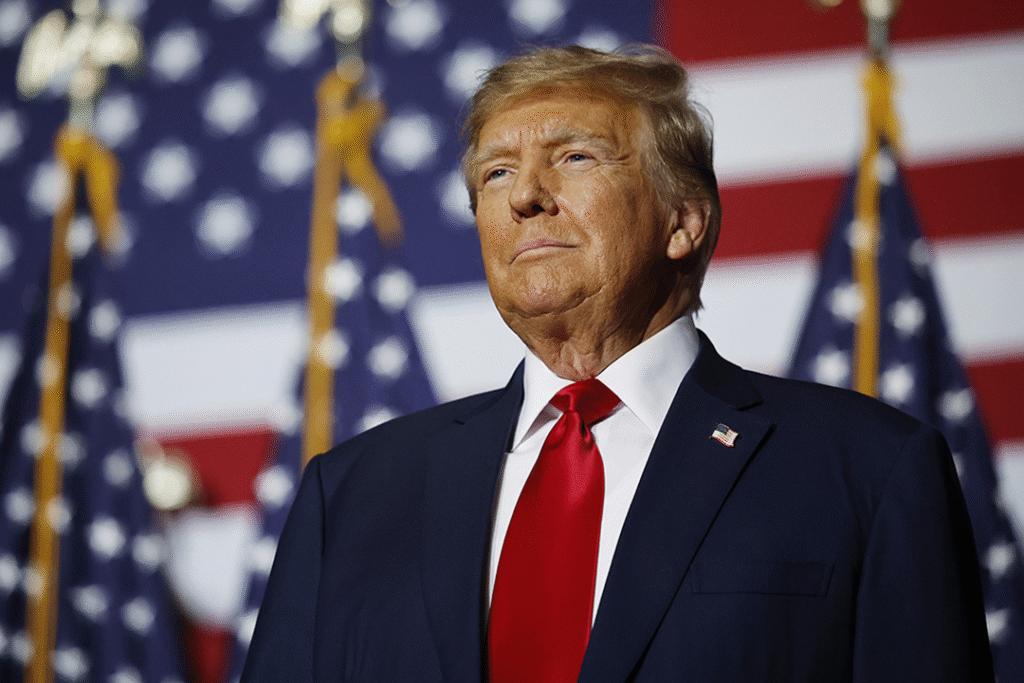
Donald Trump, speaking through Vice President JD Vance, made waves by predicting the war won’t drag on like past ones in Iraq or Afghanistan. He said it could last just four weeks, with the main goal being to stop Iran from getting nuclear weapons. This fits with reports of U.S. forces joining Israel in the strikes – Iran’s Foreign Minister Abbas Araghchi called it out, accusing the U.S. of fighting on Israel’s behalf.
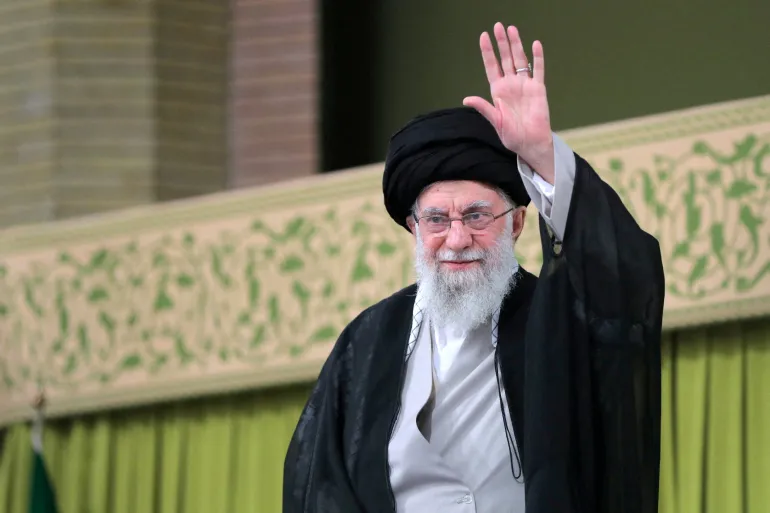
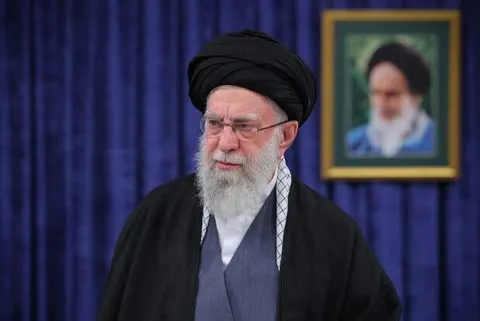
On the ground, things are getting dicey for Americans abroad. Drones hit the U.S. Embassy in Riyadh, Saudi Arabia, causing some fire damage but nothing major. Saudi forces shot down more drones nearby. Over in Pakistan, the U.S. canceled all visa appointments until March 6 after a deadly protest at the consulate in Karachi. At least 10 people died when crowds stormed the building, reacting to news of Iran’s Supreme Leader Ayatollah Ali Khamenei’s reported death in earlier strikes.
Israeli Prime Minister Benjamin Netanyahu chimed in too, calling the war a “gateway to peace.” He hinted it could lead to more deals like the Abraham Accords, which normalized ties between Israel and some Arab countries back in 2020.
A Quick Look Back: How We Got Here
To make sense of this, we need to rewind a bit. Tensions between Israel and Iran have simmered for decades, fueled by Iran’s support for groups like Hezbollah in Lebanon and Hamas in Gaza. Things boiled over after a 2024 ceasefire in Lebanon that Israel allegedly violated, leading to 15 months of back-and-forth attacks.
The spark for this latest round? Reports suggest it ties to the killing of Khamenei, Iran’s top leader. U.S. officials and some Iranian opposition groups celebrated it, but experts say it won’t topple the Islamic Republic overnight – the system runs deep with clerics and military figures ready to step in.
Hezbollah’s role goes back even further. Formed in the 1980s during Lebanon’s civil war, they’ve clashed with Israel multiple times, including major wars in 2006. Now, with Lebanon’s Prime Minister banning their military ops and limiting them to politics, it’s a turning point. But Hezbollah insists their missile strikes on Israel are just defending against aggression.
Russia’s watching from the sidelines, apparently benefiting from the distraction. With the U.S. focused here, pressure eases on their actions in Ukraine, which started with the 2022 invasion.
The Human and Economic Toll
This isn’t just politics – real people are suffering. Death tolls in Iran and Lebanon have topped 600 so far, with more likely as rubble gets cleared. In Tehran, families are dealing with destroyed homes and infrastructure. Beirut’s suburbs, already scarred from past conflicts, face more displacement.
Economically, oil prices jumped today, with Brent crude hitting over $79 a barrel. That’s because of the Strait of Hormuz shutdown – it handles about a fifth of the world’s oil. Shipping companies and insurers are pulling out, warning of supply shortages. Analysts say Iran might not hold the closure long, as it could push Gulf neighbors like Saudi Arabia deeper into the fight.
Other spots are feeling the ripple: A drone got shot down near Erbil airport in Iraq, and Israel intercepted more from Lebanon. It’s a reminder how quickly this could spread.
Global Reactions and What’s Next
The world is responding in mixed ways. Saudi Arabia’s intercepting drones shows they’re on high alert. The U.S. is hunkering down, from visa halts in Pakistan to Vance’s assurances of a quick end. Iran’s IRGC is talking tough, threatening to torch ships and pipelines if pushed.
Experts worry about a full-blown war drawing in more countries. But there’s hope in Netanyahu’s peace talk – if this leads to broader accords, maybe stability follows. For now, though, the focus is on de-escalation to spare more lives.
This conflict hits close for many, with roots in years of mistrust and power struggles. If you’re following the Israel-Iran conflict or worried about Middle East stability, stay tuned to trusted news like Al Jazeera for updates. Let’s hope cooler heads prevail soon. What do you think – could Trump’s timeline hold, or is this just the start? Share your thoughts below.