Pakistan Bike and Three‑Wheeler Sales Rebound Strongly in 7MFY26
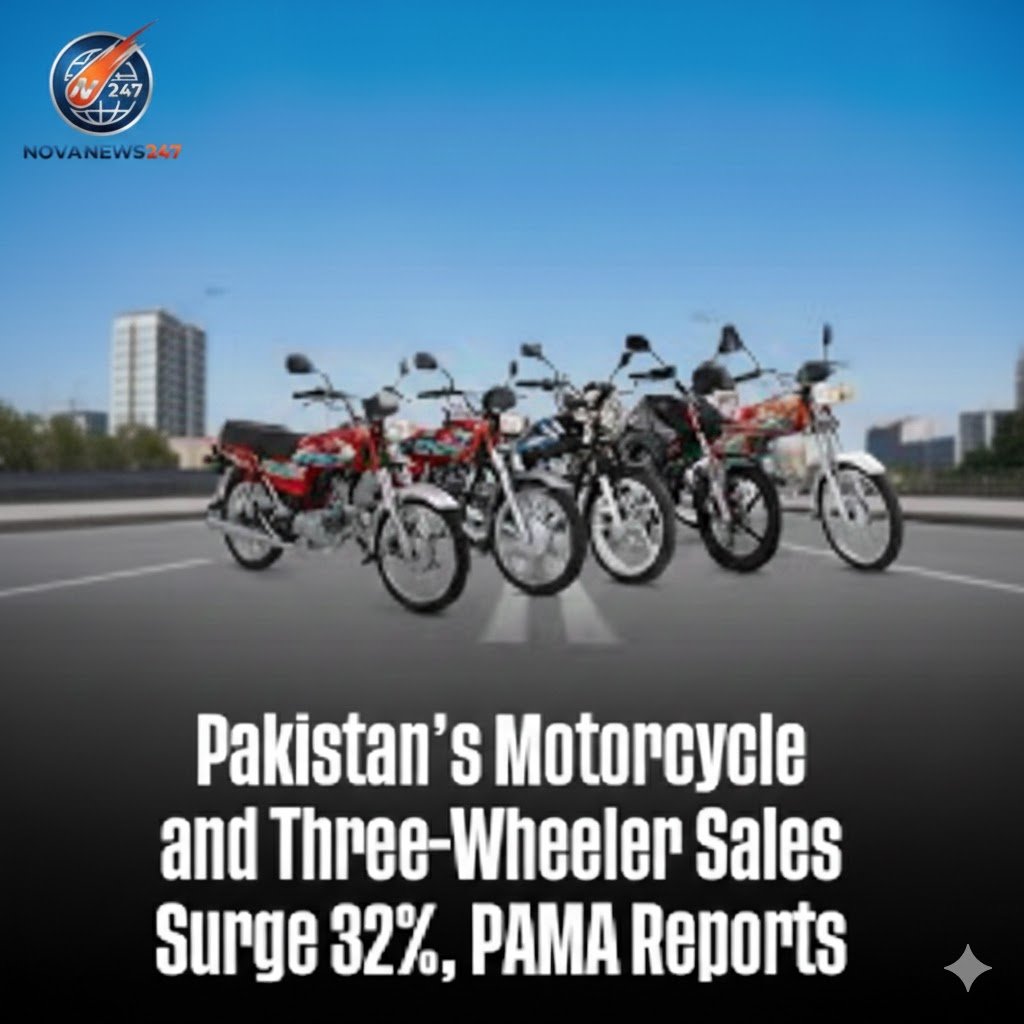
Pakistan bike and three‑wheeler sales have surged sharply in the first seven months of FY2025‑26, showing a clear rebound in demand for small, affordable vehicles across the country. According to data from the Pakistan Automobile Manufacturing Association (PAMA), total sales in this category rose by more than 32 percent compared to the same period last year, reflecting how strongly this segment has recovered.
Between July and January, combined bike and three‑wheeler sales reached 1,103,356 units, up from 835,616 units recorded in July–January FY2024‑25, marking an increase of over 267,000 units in just one year. Much of this growth has come from solid demand for leading motorcycle brands, which continue to serve as an essential mode of transport for workers, students and small businesses, along with a modest but noticeable pickup in certain three‑wheeler models used for local passenger and goods movement.
Overall Bike and Three‑Wheeler Sales in 7MFY26
During the first seven months of the current financial year, Pakistan’s bike and three‑wheeler sales jumped by 32.04 percent on a year‑on‑year basis. The total volume climbed to 1.1 million units, compared to a little over 0.83 million units in the same period of the previous year.
This growth suggests that despite economic pressures, there is still strong demand for affordable personal and commercial transport. Motorbikes remain a key mode of mobility for households, while three‑wheelers continue to support short‑distance passenger and goods transport in cities and towns.
Performance of Major Motorcycle Brands
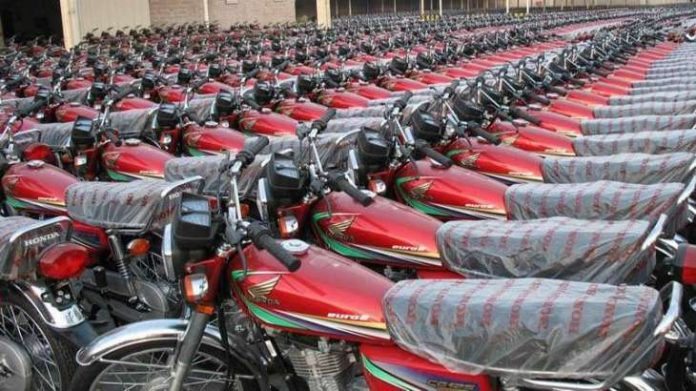
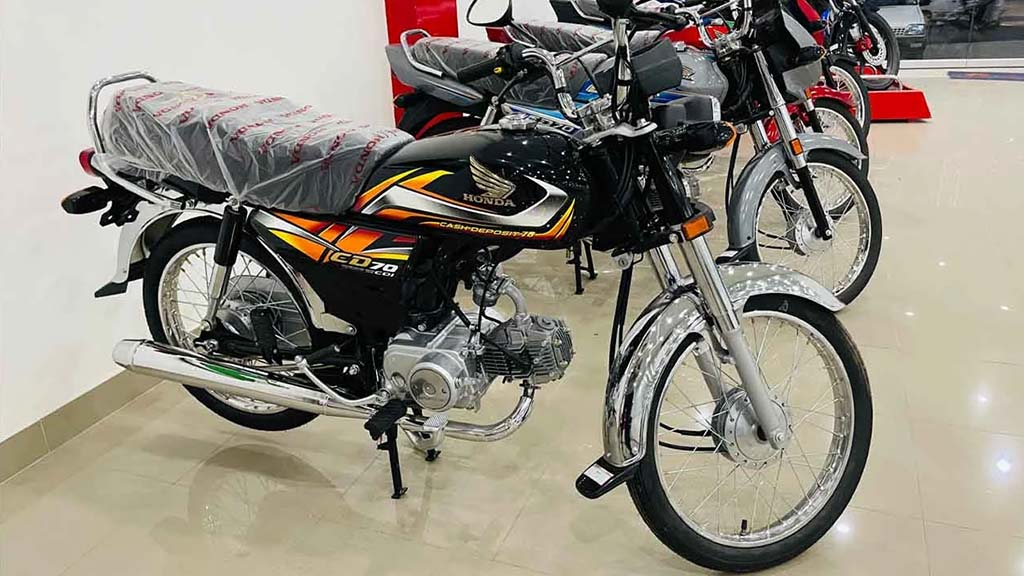
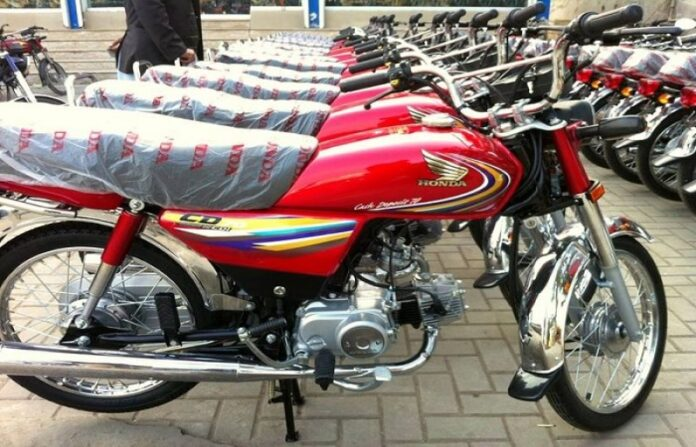
Honda maintained its clear dominance in the motorcycle market over the period. The company’s sales rose by 34.49 percent to 945,801 units between July and January, compared to 703,226 units in the same months of the previous year.
Suzuki also posted impressive growth. Its motorcycle sales increased by 45.80 percent, reaching 20,282 units, up from 13,910 units a year earlier. United Auto performed well too, with motorcycle sales growing by 26.54 percent to 101,703 units from 80,370 units in the prior period.
Not every player benefited from the rising trend. Yamaha’s motorcycle sales fell sharply by 57.43 percent, dropping to 1,333 units from 3,132 units in the same seven‑month stretch last year. This shows that brand‑level performance is uneven, even in a growing market.
Three‑Wheeler Segment: Mixed Results
The three‑wheeler category showed a mixed picture, with some brands enjoying higher volumes and others slipping. United Auto’s three‑wheeler sales increased from 581 units to 844 units over the review period, reflecting a clear rise in demand for its models.
Qingqi three‑wheeler sales also improved, growing by 5.30 percent to 6,532 units from 6,203 units in the same period last year. However, Sazgar’s three‑wheeler sales declined by 2.21 percent to 14,574 units, compared to 14,904 units in the corresponding months of the previous financial year.
The data suggests that while the overall three‑wheeler segment is benefiting from economic activity and urban transport needs, competition and consumer preferences are shifting between brands.
What the Numbers Mean for Pakistan’s Auto Market
The strong rise in bike and three‑wheeler sales indicates that lower‑cost vehicles remain essential for mobility and livelihoods in Pakistan. As public transport struggles to keep up with demand, many people rely on motorbikes for daily commuting, work and small business operations.
At the same time, three‑wheelers support local transport and last‑mile connectivity in many areas. The latest PAMA figures show that when economic conditions allow, demand in this segment can recover quickly, though brand‑wise performance depends on pricing, availability, financing and consumer trust.
Conclusion
Pakistan’s bike and three‑wheeler market has posted a strong comeback in the first seven months of FY26, with overall sales climbing above 1.1 million units and several leading brands recording double‑digit growth. While some manufacturers still face declining volumes, the broader trend points to resilient demand for affordable transport and a key role for this segment in supporting mobility and economic activity across the country.