South Korea’s Stock Market Hits Rock Bottom Amid US-Iran Tensions
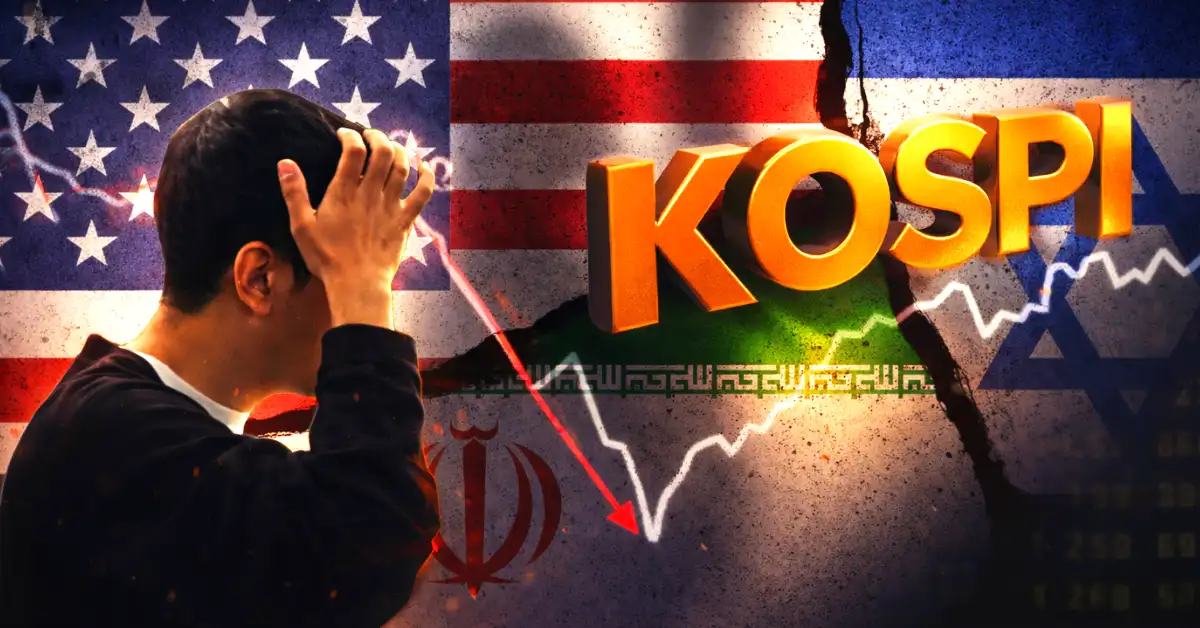
The world woke up to chaos in the markets this week, and South Korea felt it hardest. With the US-Iran war raging into its fifth day, the KOSPI index took a massive hit, dropping more than anyone expected. It’s a stark reminder of how global conflicts can ripple through economies far from the front lines. Let’s break down what happened and why it matters.
What Sparked the South Korea Stock Market Meltdown?
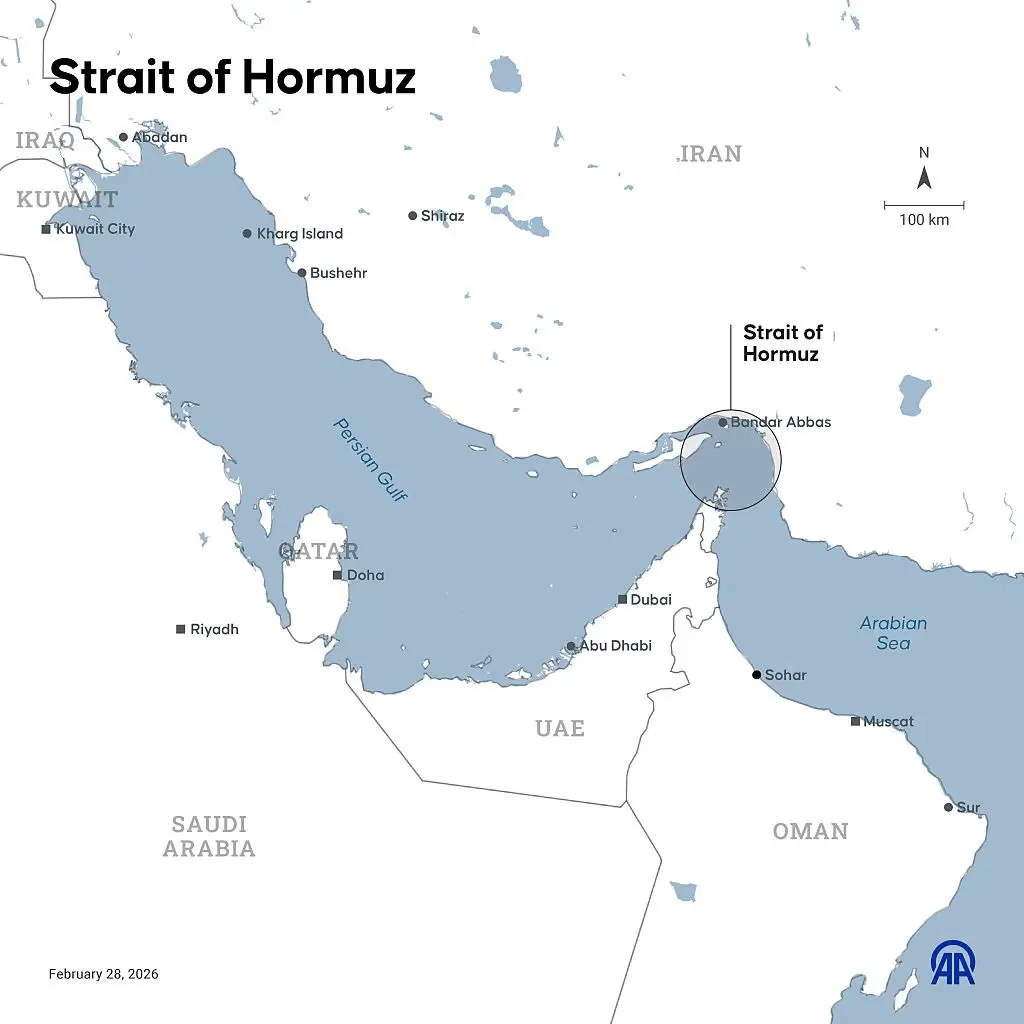
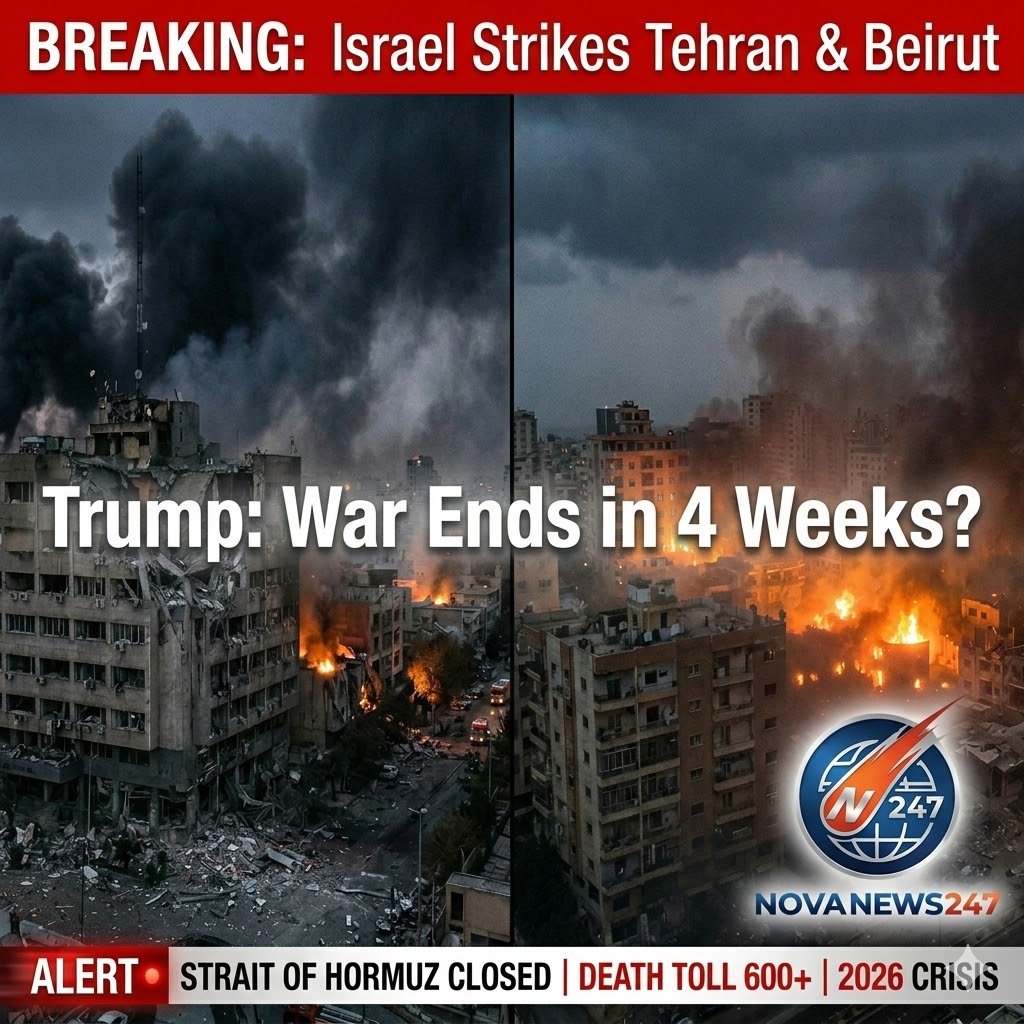
Tensions in the Middle East have been building, but things escalated fast. The US and Israel kept up heavy strikes on Iran and Lebanon, while Iran fired back at Israel and US allies like Qatar and the UAE. This mess has basically shut down the Strait of Hormuz – that’s the narrow waterway handling about one-fifth of the world’s oil. No oil moving means higher prices and supply worries everywhere.
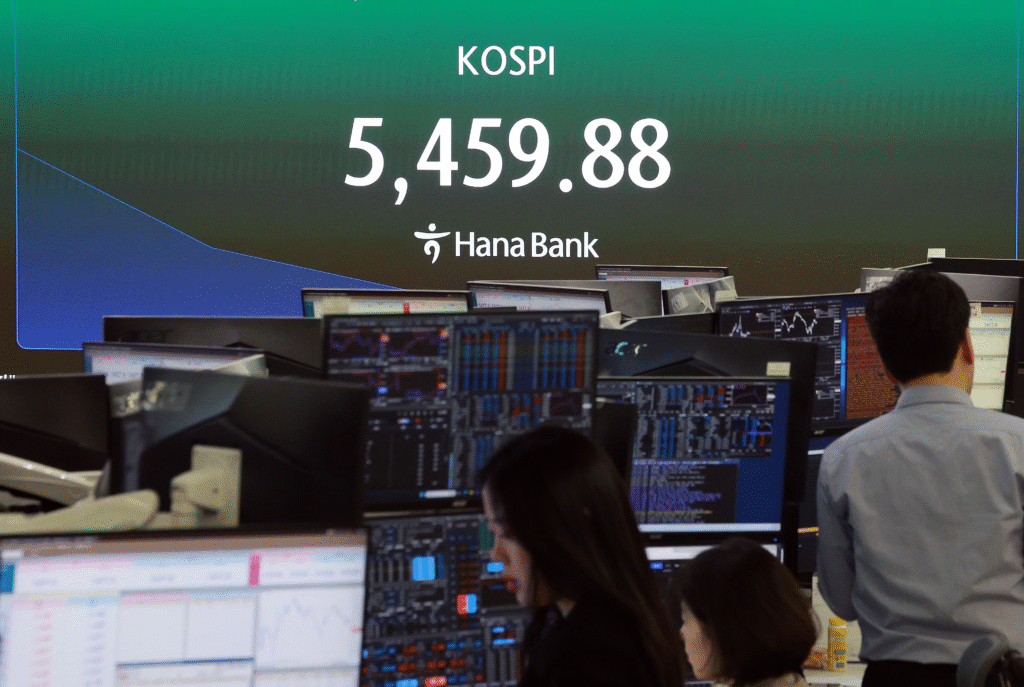
South Korea relies heavily on imported oil, so this hits them square in the wallet. On Wednesday, the KOSPI plunged as much as 12.2 percent in the morning – worse than the drop after 9/11 or during the 2008 crash. Trading even halted for 20 minutes when losses crossed 8 percent, thanks to circuit breakers kicking in to cool things off.
By the end of the day, the index clawed back a bit but still closed down around 10 percent. This came right after a 7.2 percent fall on Tuesday, making it the roughest two days for the market in years.
Which Companies Got Hammered the Most?
No sector escaped unscathed, but some got it worse. Big names like Samsung Electronics, SK Hynix, and LG Electronics saw their shares slide. These tech giants are South Korea’s heavy hitters, and their losses drag the whole index down.
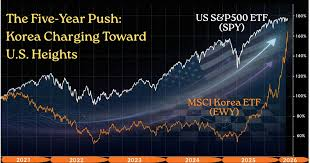
It’s wild to think that just a couple of months ago, the KOSPI was on fire, up over 40 percent since the start of 2026. That hot streak made it one of the top performers globally, but now it’s all unraveling because of this war.
Broader Impacts: Is This Just the Beginning?
This South Korea stock market meltdown isn’t happening alone. The shock is spreading fast. In the US, the S&P 500 and Nasdaq fell about 1% overnight, even though investors first tried to ignore the war. Now they’re worried about oil prices jumping sharply and supply chains getting badly disrupted.
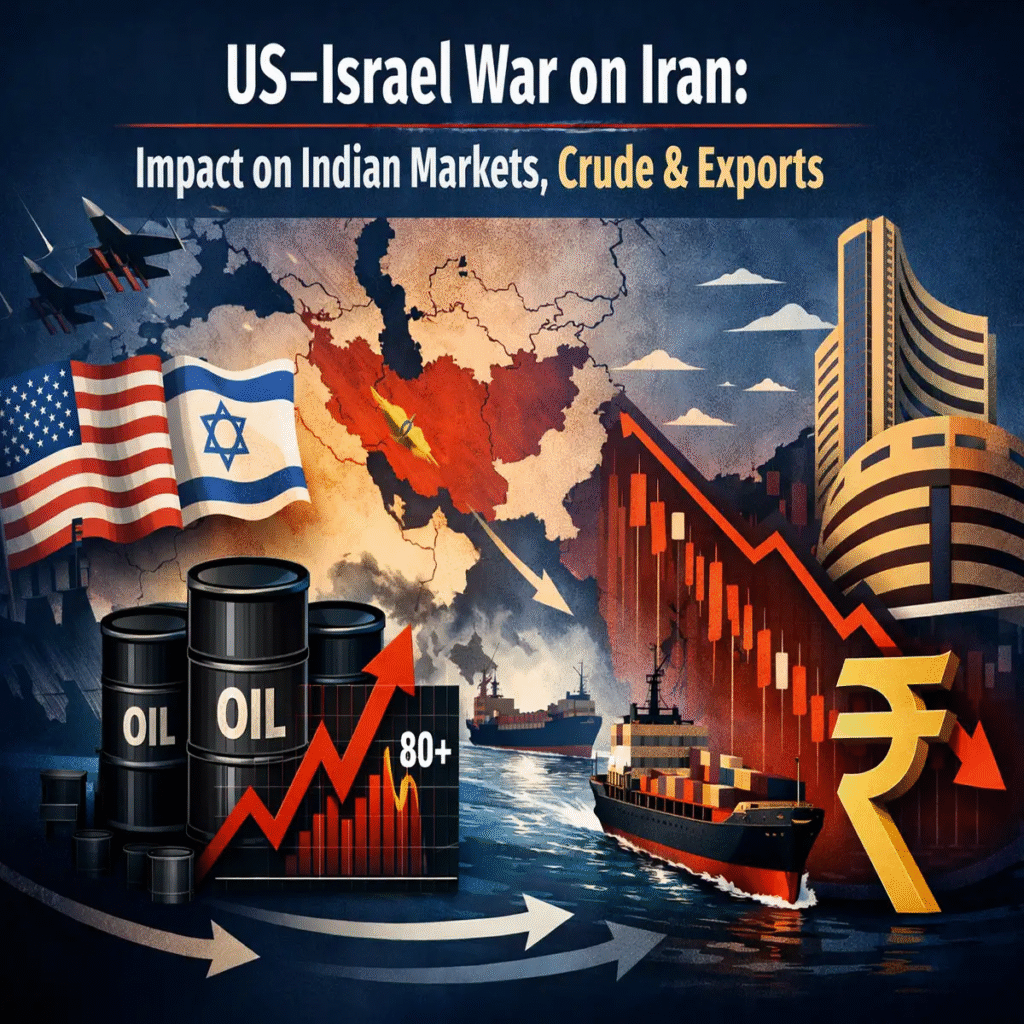
Oil is the main reason for the fear. The Strait of Hormuz is almost blocked, stopping a huge part of world oil and gas. Brent crude has already climbed past $80 a barrel and keeps rising. That means higher gas prices almost everywhere—drivers in the US, Europe, and Asia will feel it soon. Everyday items like food, clothes, and electronics could also cost more because shipping gets expensive and slow.
For regular people, this brings real pressure: more expensive fuel, higher bills, and maybe fewer jobs if companies start cutting costs. South Korea depends heavily on imported oil, so the government is working hard to keep things stable—monitoring markets 24/7 and ready to use big funds if needed. But with the US-Iran war showing no quick end, nobody knows how long this uncertainty will last.
Wrapping It Up: Lessons from the Chaos
Shipping and logistics firms took the biggest beating, though. Companies such as Pan Ocean, HMM, and KSS Line dropped between 17 and 19 percent. Why? The Strait of Hormuz blockage means ships can’t get through, disrupting trade routes that South Korea depends on for exports and imports.
The US-Iran war proves how connected the whole world is today. One fight far away can crash stock markets, raise living costs, and make everyone anxious. If you have money in stocks, watch the news closely—prices can change very fast.
Stay updated as things develop. What do you think about the South Korea stock market meltdown? Have you noticed higher fuel or grocery prices already? Leave your thoughts in the comments below.