US–Iran Nuclear Talks in Geneva: What Is Happening Now?
US and Iranian officials have started a new round of nuclear talks in Geneva, Switzerland. The meetings come at a time of high tension, with military buildups in the region and strong words from leaders on both sides.
Iran’s supreme leader Ayatollah Ali Khamenei has openly attacked President Donald Trump, saying the United States has failed to bring down the Islamic Republic over the past 47 years and will not succeed now either. His comments set a tough tone as the talks get under way.
Who Is at the Table?
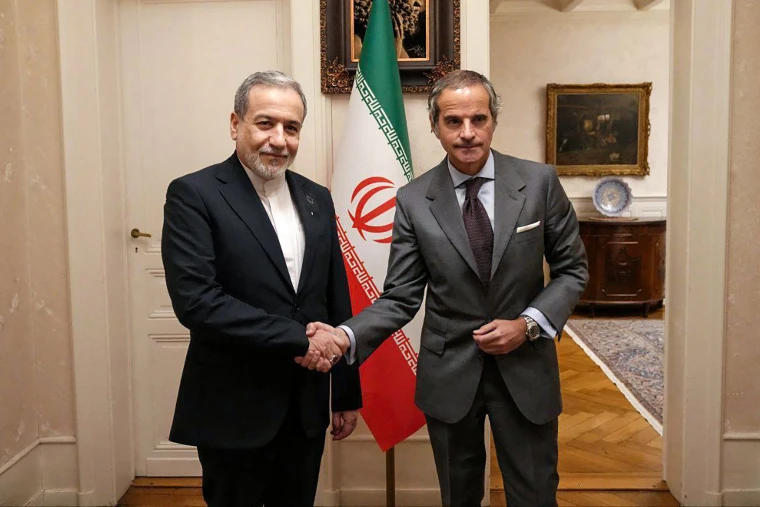
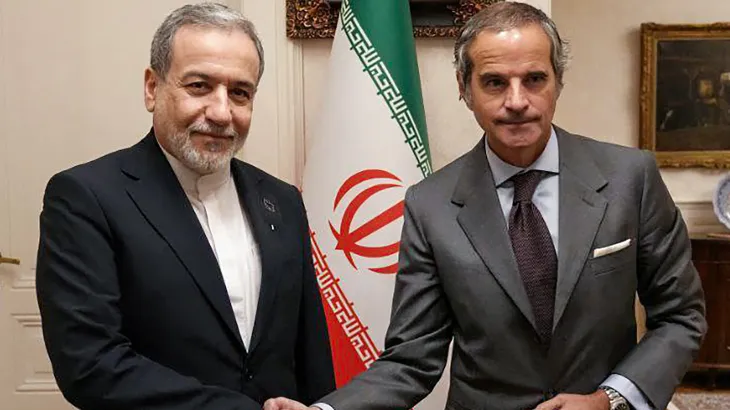
On the Iranian side, Foreign Minister Abbas Araghchi is leading the delegation in Geneva. He is a key figure in Tehran’s nuclear diplomacy and has handled difficult negotiations in the past.
Across the table, the US team is represented indirectly by Middle East envoy Steve Witkoff and President Trump’s son‑in‑law Jared Kushner, with Oman’s foreign minister Badr bin Hamad al‑Busaidi acting as mediator between the two sides. The talks are indirect, meaning there are no direct face‑to‑face negotiations between US and Iranian officials.
Why Are the Talks in Geneva, With Oman as Mediator?
The meetings are taking place in Geneva, a city often used for high‑level diplomacy and nuclear talks. Oman is again playing the role of quiet go‑between, just as it has done in earlier rounds of US–Iran dialogue.
The discussions are being held either at the residence of the Omani ambassador or at the Omani consulate in Geneva. Messages and proposals move through the Omani foreign minister, who carries each side’s positions to the other.
What Do Iran’s Leaders Want?
Iran says it is coming to Geneva with “genuine and constructive proposals” and wants what it calls a “fair and equitable deal”. A senior Iranian official has stressed that the talks can only work if the United States avoids “unrealistic demands” and shows it is serious about lifting sanctions.
Tehran insists that the agenda must stay focused on nuclear issues. The foreign ministry spokesperson has repeated that Iran considers itself a committed member of the Nuclear Non‑Proliferation Treaty (NPT) and expects its rights under the treaty to be respected, not just its obligations.
What Does the US Want?
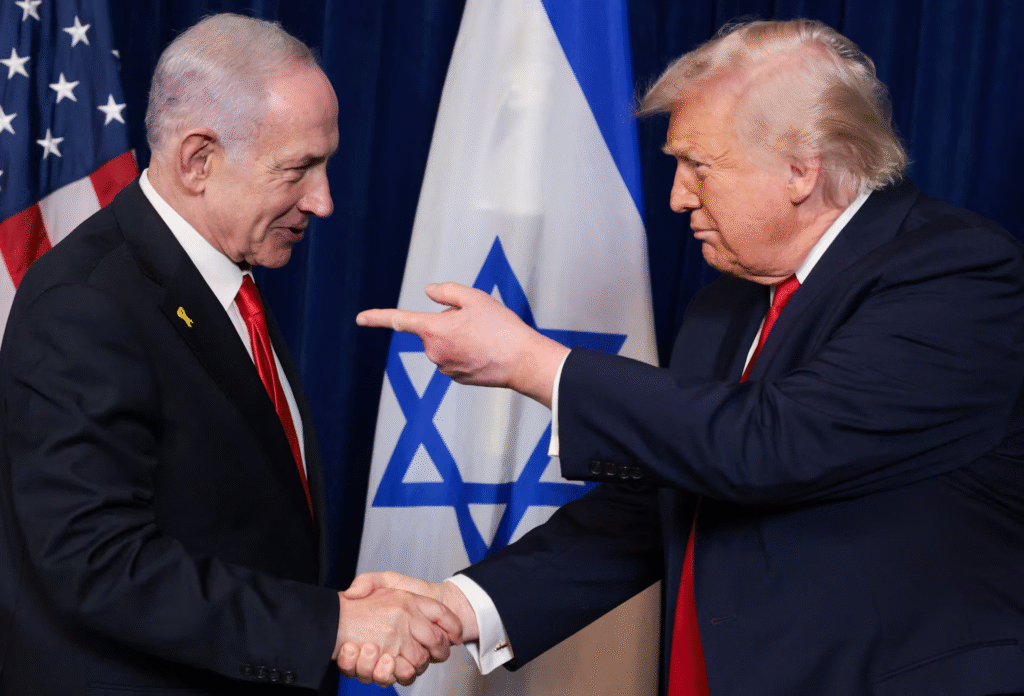
The United States is pressing Iran to accept limits on its nuclear programme and is using a military buildup as extra pressure during the talks. Trump has warned that if Iran does not agree to a deal, the “consequences are very steep” and has ordered more naval forces into the region.
At the same time, US officials have described the first indirect meeting in Oman earlier this month as “very good”, signalling that Washington still sees a path to a possible agreement. The current round in Geneva is meant to test whether that path is real.
What Happened in the First Round of Talks?
The first round of US–Iran nuclear talks took place in Oman on February 6 but did not produce a clear breakthrough or roadmap. Araghchi said the discussions got off to “a good start”, while Trump also called the talks “very good”.
However, major gaps remained. Iran refused to widen the agenda beyond the nuclear file and warned that dialogue cannot move forward if threats and pressure continue. Since then, both sides have kept up strong rhetoric.
Protests and Pressure Inside Iran
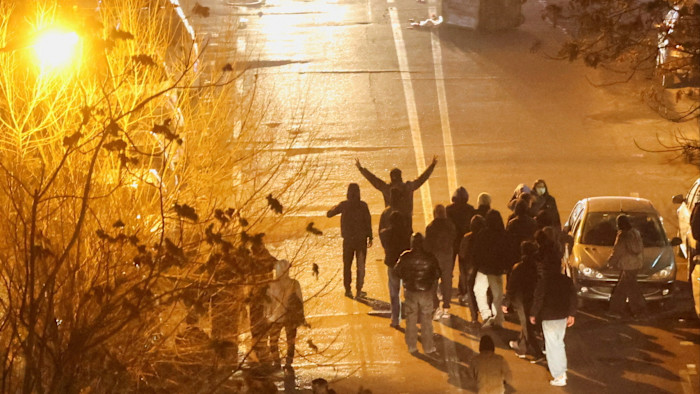
These talks are taking place while Iran is dealing with unrest at home. In January, protests led to violent clashes on January 8 and 9, leaving 3,117 people dead according to figures released by Iranian authorities.
The government has announced ceremonies to mark the 40th day since those deaths, saying “we are all in mourning” and calling every lost life painful. The Islamic Revolutionary Guard Corps (IRGC) has described the protests as part of a US‑Israeli plot to destabilise Iran and has framed the memorial events as a show of national strength.
Naval Drills and Regional Tension
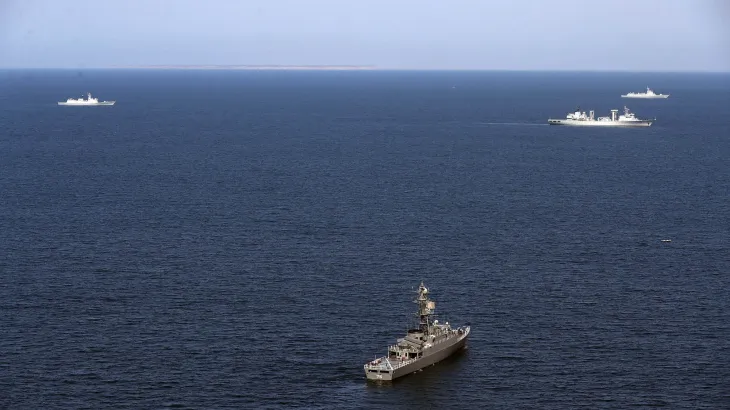
Beyond the nuclear file, there is a clear military backdrop to these talks. Iran’s top naval commander says the IRGC has “full 24‑hour intelligence dominance” over the Strait of Hormuz, a vital route for global oil shipments. Naval drills are under way, sending a message that Iran is ready to respond to any threat.
At the same time, the US is adding more ships to the region, raising worries that a miscalculation at sea could spark a wider crisis even as diplomats talk in Geneva. The mix of talks and military moves adds to the uncertainty.
How Long Will the Geneva Talks Last?
According to Iran’s foreign ministry spokesperson Esmaeil Baghaei, both delegations are present in Geneva and have already begun trading messages through the Omani side. He says Iran came with a full team covering technical nuclear issues and economic matters such as sanctions relief.
Baghaei has said the talks are expected to continue at least until the afternoon, and Iran’s foreign minister Araghchi will also attend a meeting at the United Nations in Geneva to present Tehran’s position more broadly. Further sessions could follow if both sides see progress.
Are These Talks Likely to Succeed?
For now, success depends on a few key questions. Can the US offer real and clear relief from sanctions that have badly hurt Iran’s economy ? And can Iran accept nuclear limits strong enough to satisfy Washington and its allies?
Iranian officials say they want to show they are serious about finding a solution and have come prepared to negotiate. US leaders, on the other hand, are using both diplomacy and pressure, hoping to push Iran into a deal but also warning of “steep” consequences if it refuses. The gap between pressure and trust is still wide.
Why These Talks Matter for the Region
The outcome of the US–Iran nuclear talks in Geneva will affect far more than just the two countries at the table. A failure could increase the risk of conflict, especially in the Gulf and wider Middle East, where forces are already on edge.
A deal, even a limited one, could reduce tension, ease sanctions on Iran, and lower the chance of a sudden clash at sea or in the air. For now, the world is watching Geneva to see whether diplomacy can rise above threats and distrust.
Conclusion: What These US–Iran Talks Mean Now
In the end, the US–Iran nuclear talks in Geneva show that both sides still prefer negotiation over open conflict, even while pressure and mistrust remain high. If the US–Iran talks can produce even a small, practical deal, it could slow down tensions in the Gulf and give people in the region some rare good news.
For now, the US–Iran process is fragile: strong words from leaders, naval drills, and protests inside Iran all add risk around the table. Still, as long as US–Iran diplomats keep meeting and Oman keeps the channel open, there is at least a real chance that diplomacy will win more time and reduce the danger of a new crisis.