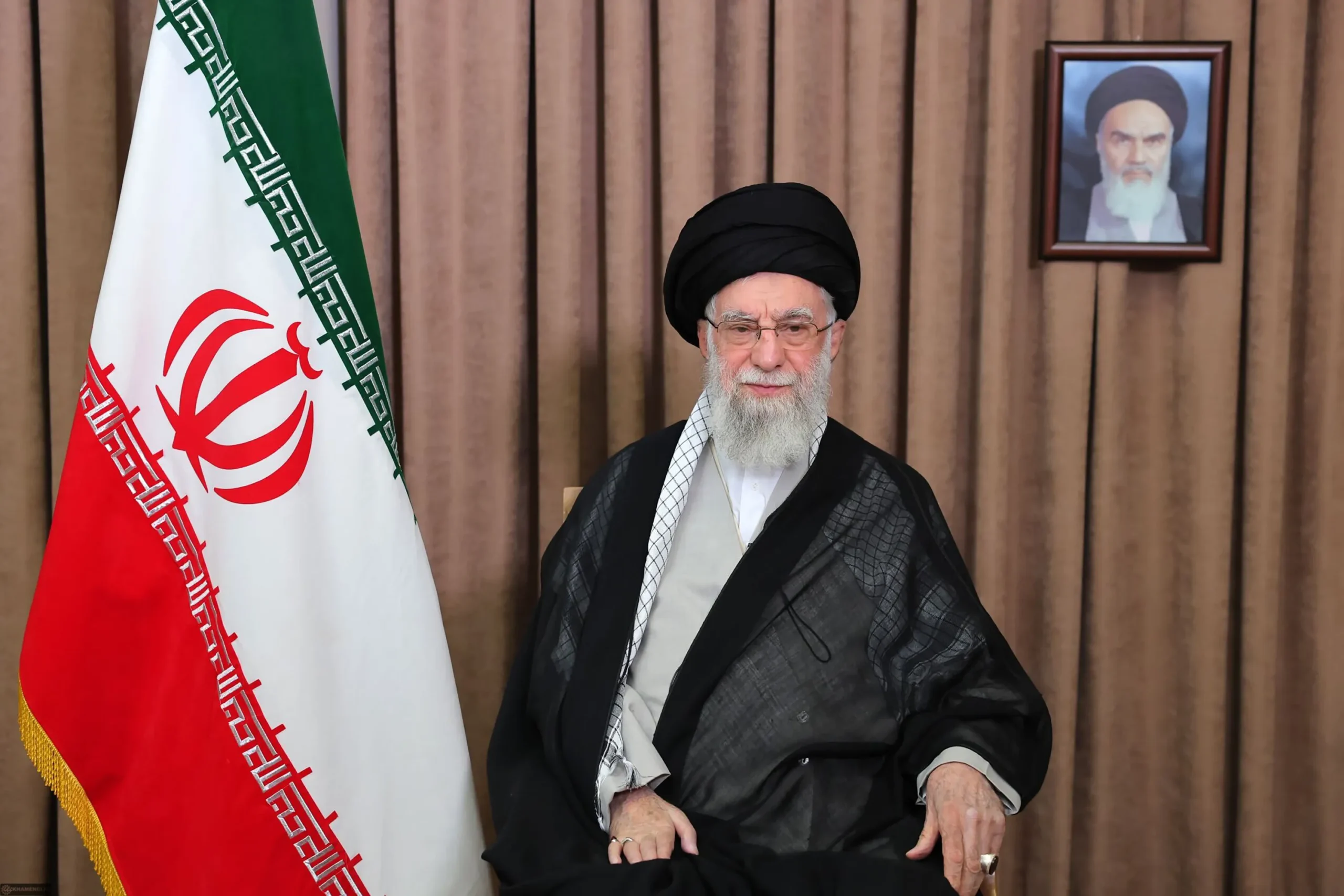
The Tragic Assassination of Ayatollah Ali Khamenei: Shockwaves Across the World
The world woke up to heartbreaking news on Saturday: Iran’s Supreme Leader, Ayatollah Ali Khamenei, along with members of his family, was killed in targeted strikes in Tehran. Reports point to the United States and Israel as the forces behind this act. It’s a moment that leaves many of us in deep sorrow, especially those who saw him as a guiding light in faith and politics. This isn’t just about one leader—it’s a blow to peace and stability in the Middle East. As someone who follows these events closely, I feel the weight of this loss, and I know many in Pakistan share that pain.
Who Was Ayatollah Khamenei? A Look Back at His Legacy
Ayatollah Ali Khamenei stepped into power in 1989 after the death of Ayatollah Ruhollah Khomeini, the founder of Iran’s Islamic Revolution. For over three decades, he led Iran through some of its toughest times. Remember the brutal Iran-Iraq War in the 1980s? It left the country scarred, with massive loss of life and economic ruin. Khamenei worked to rebuild Iran amid growing pressures from outside.
Under his rule, Iran faced harsh economic sanctions from the West, mainly the US. These sanctions aimed to curb Iran’s nuclear program and regional influence, but they hit ordinary people hard—rising prices, job losses, and daily struggles. Tensions with Israel and the US never eased. Khamenei often spoke out against what he called “arrogant powers,” standing firm on Iran’s right to defend itself.
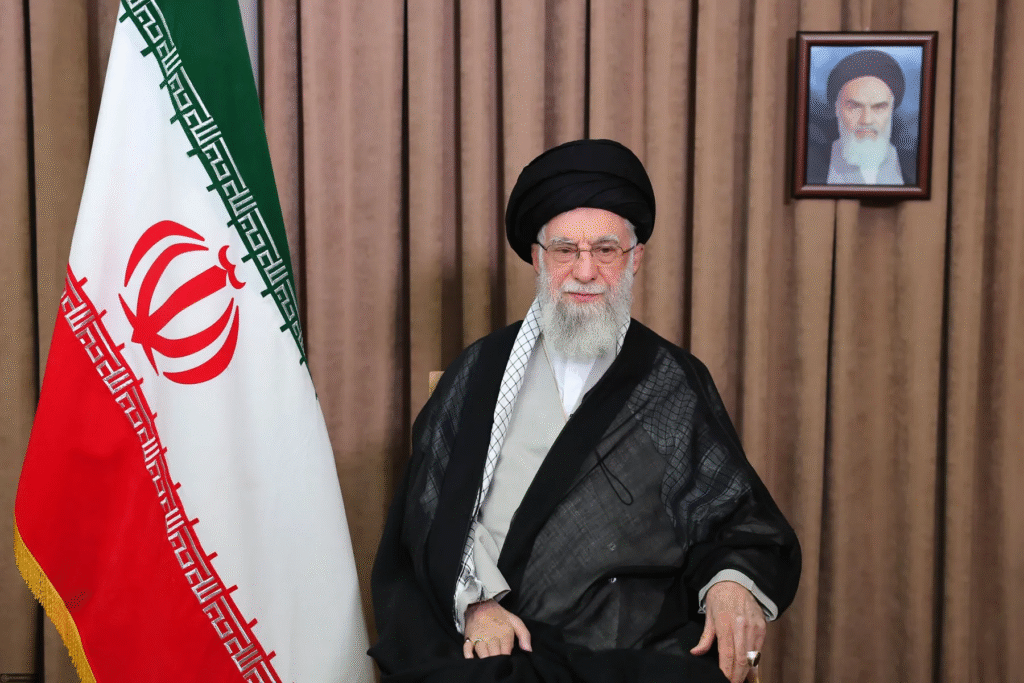
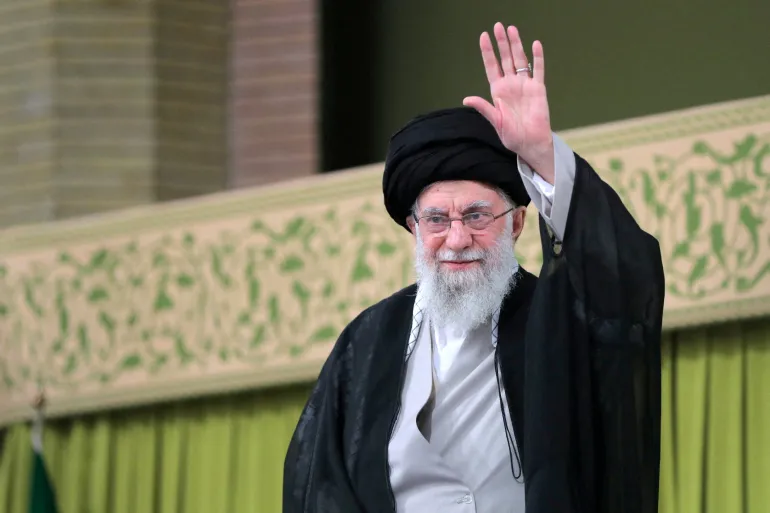
As a Shia marja—a top religious authority—he inspired millions of Muslims around the globe, including in Pakistan. His edicts on faith and life guided families here, shaping how many observe traditions. His death isn’t just political; it’s a profound spiritual loss for communities tied to his teachings.
What Happened: The Details of the Assassination
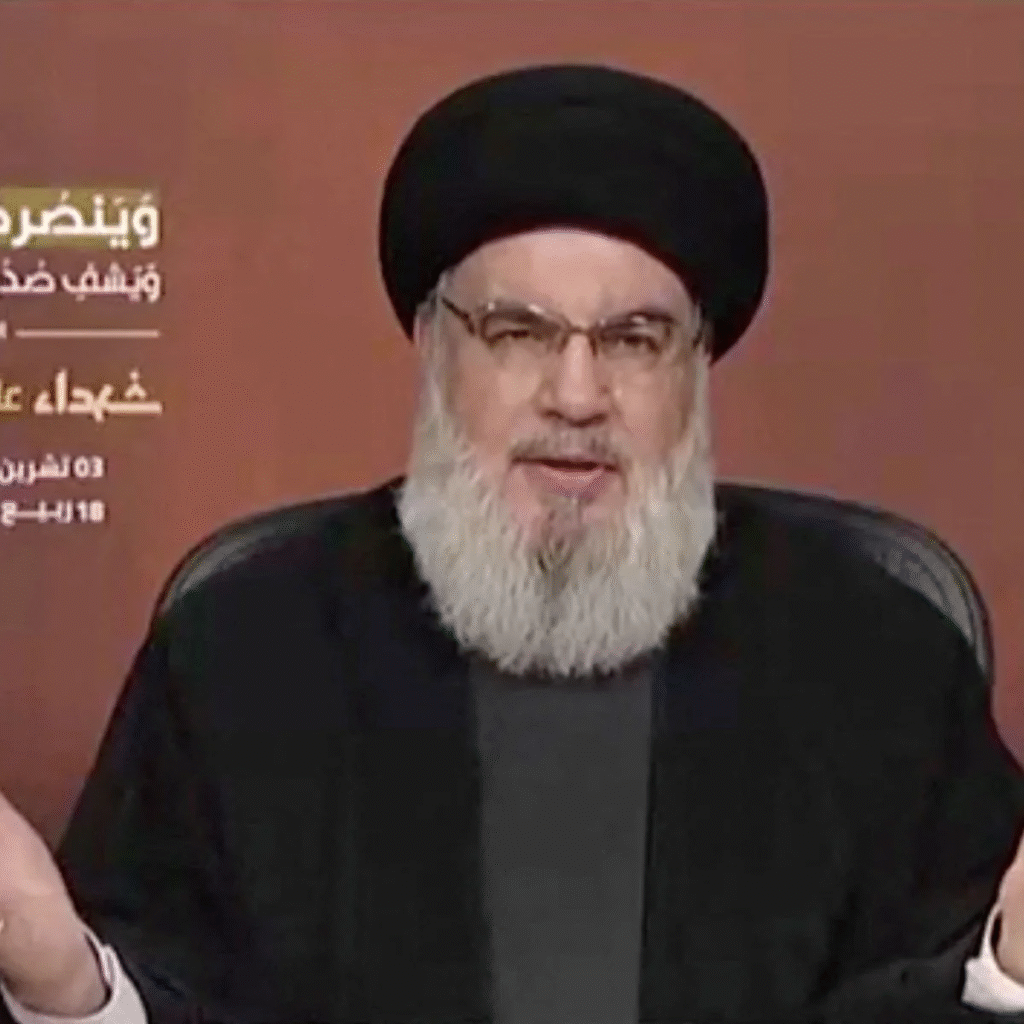
The strikes hit Tehran on Saturday, killing Khamenei and his family in what experts call a “decapitation strike.” This tactic isn’t new—Israel used it against Hezbollah’s Hasan Nasrallah and Hamas’ Ismail Haniyeh in recent years. But targeting the head of a sovereign nation like this sets a scary new rule. International laws meant to protect leaders seem ignored here.
Iran quickly formed an interim governing council, showing they were ready for such a crisis. But the anger is boiling over. Retaliatory missiles and drones have struck targets in Gulf countries, and more attacks could follow. If the US and Israel keep pushing, this could drag on, pulling in neighbors and risking wider war.
Protests and Fallout: Pain Felt in Pakistan and Beyond
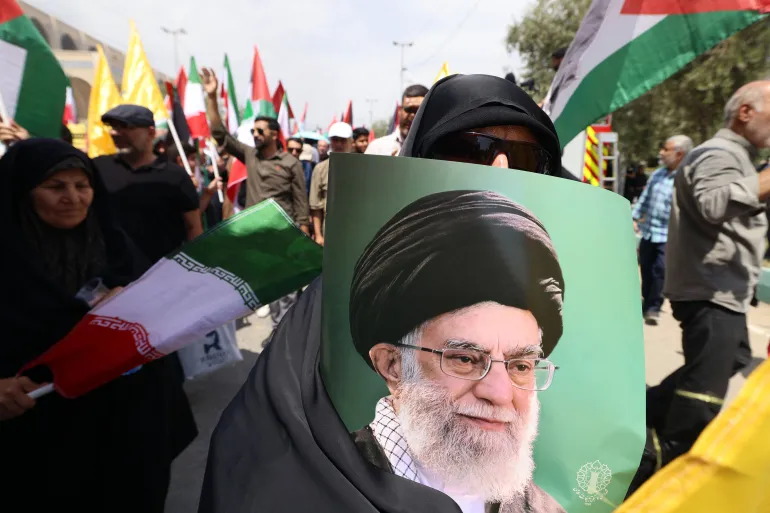
The news sparked protests worldwide, and Pakistan wasn’t spared. On Sunday, crowds gathered outside the US consulate in Karachi, demanding justice. Tragically, at least 10 protesters died there, with two more in Islamabad. It’s a reminder of how connected we are—Khamenei’s influence reached deep into our society, and his killing stirs raw emotions.
Iran’s response makes sense; they’re defending their land. But striking nearby countries could cause innocent deaths and isolate them further. That’s what the US and Israel might want—to paint Iran as the aggressor. Instead, Iran should turn to diplomacy: rally support at the UN, build alliances with Muslim nations and the Global South.
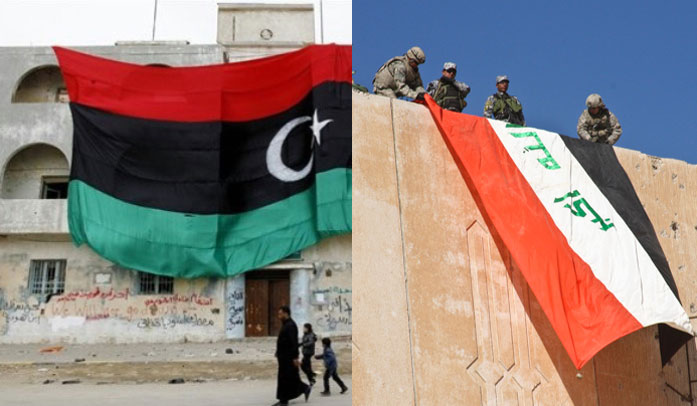
We in Pakistan, and other countries, must speak up. This violation of Iran’s sovereignty could happen to anyone who challenges powerful nations. History shows regime changes forced from outside—like in Iraq or Libya—only breed chaos. People should decide their own futures, not foreign powers.
Why This Matters: A Call for Unity and Justice
This assassination isn’t isolated. It’s part of ongoing Middle East tensions, from Gaza conflicts to nuclear debates. Khamenei’s death could shift power balances, but at what cost? More lives lost, more families broken.
Let’s honor his memory by pushing for peace. Share this story, talk about it with friends, and demand accountability from leaders. The world needs voices against such acts to prevent them from becoming normal.
What do you think? Has this event changed how you see global politics? Drop your thoughts in the comments—let’s keep the conversation going.