Introduction
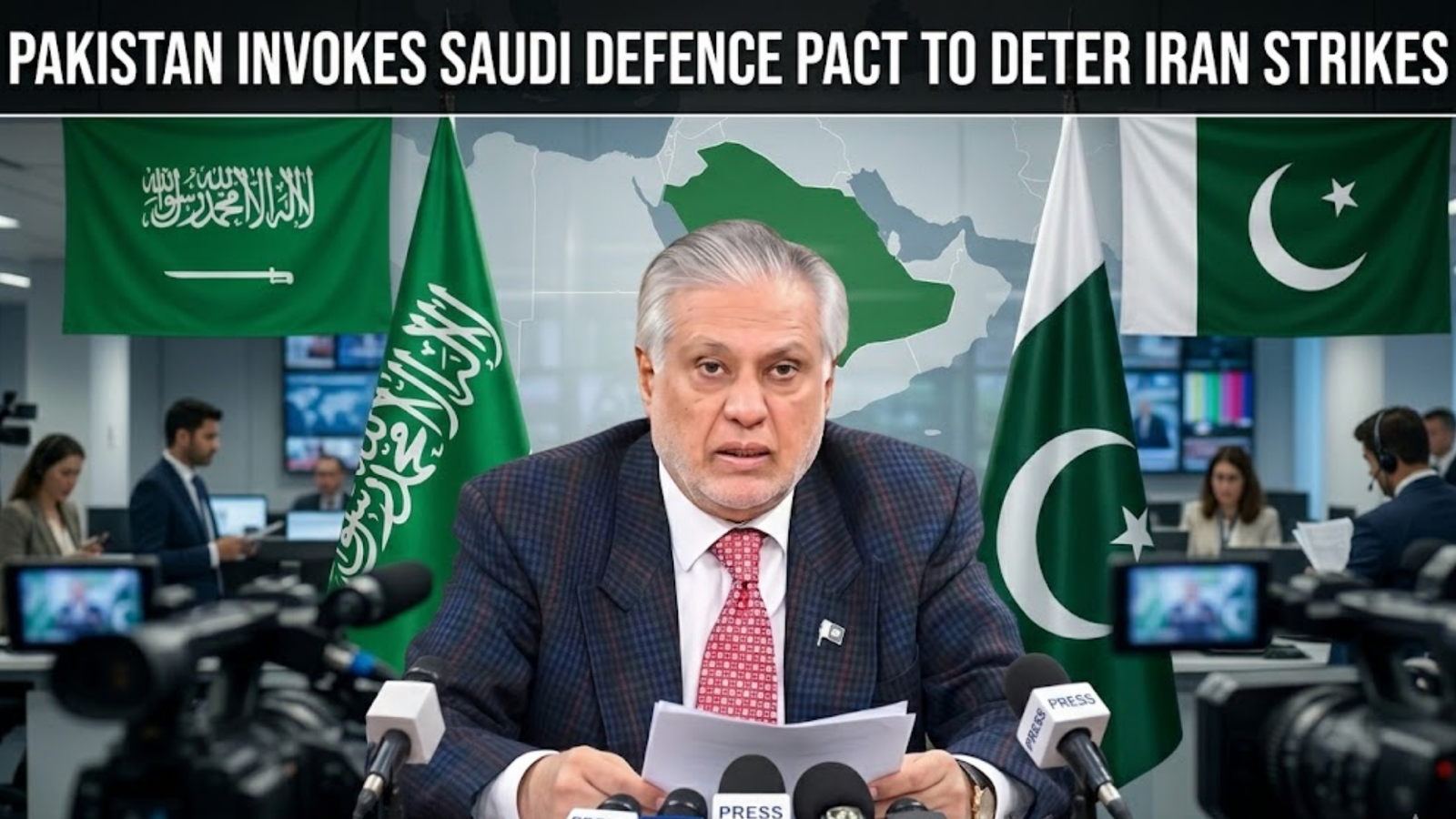
In a time of rising tensions in the Middle East, Pakistan has stepped up its diplomatic game. Deputy Prime Minister and Foreign Minister Ishaq Dar recently shared how the country used a key agreement with Saudi Arabia to help keep Iranian strikes in check. This move highlights Pakistan’s role in promoting stability in the Gulf region, where missile and drone attacks have been targeting various sites. Let’s break down what happened and why it matters.
The Pakistan-Saudi Defence Pact in Action
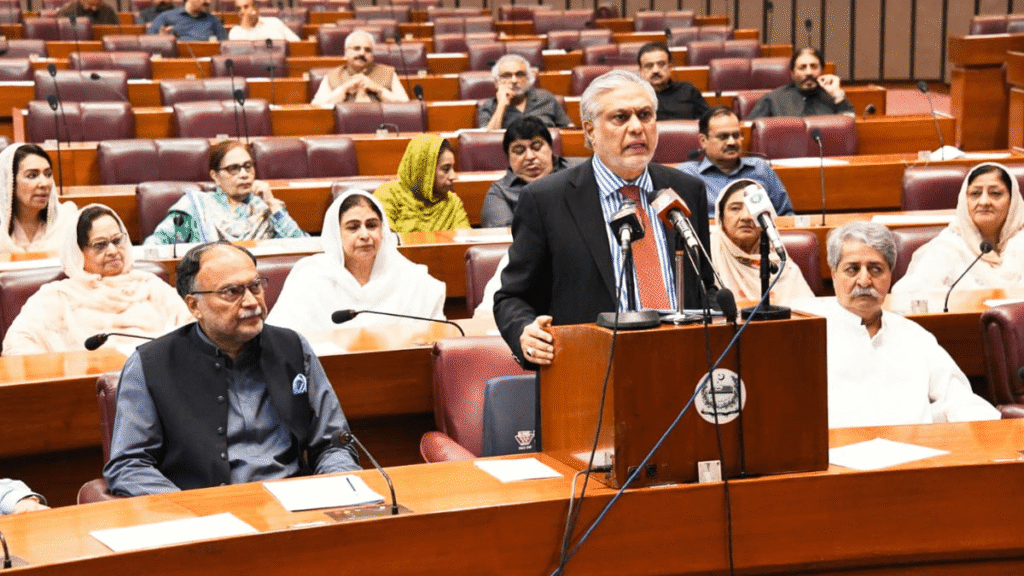
Last September, Pakistan and Saudi Arabia signed the Strategic Mutual Defence Agreement. This deal isn’t just paperwork—it’s a promise that an attack on one is an attack on both. It covers joint defence efforts, sharing intelligence, and working together on security issues.
Dar explained that during his time in Saudi Arabia, he reached out to Iranian leaders about this pact. The goal was simple: make them think twice before escalating attacks on Saudi soil. “We have a strategic mutual defence agreement with Saudi Arabia,” Dar said. “Everyone knows about that, and we are bound by it.” He urged Iran to keep this in mind, and in return, Iranian officials asked for guarantees that Saudi land wouldn’t be used to launch strikes against them.
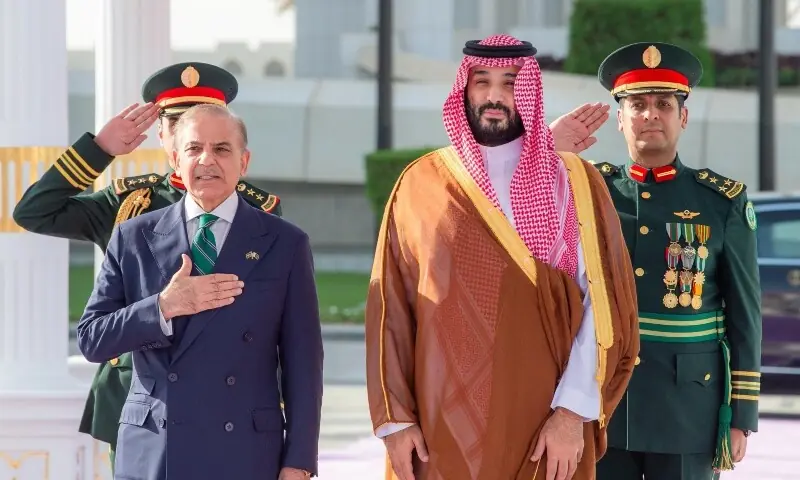
Through back-and-forth talks with both sides, Dar helped secure those assurances. As a result, Saudi Arabia has seen fewer attacks compared to other countries in the region. Oman, which has been acting as a mediator, also stayed mostly out of the line of fire. This shows how smart diplomacy can make a real difference in tense situations.
Questioning Iran’s Strike Claims
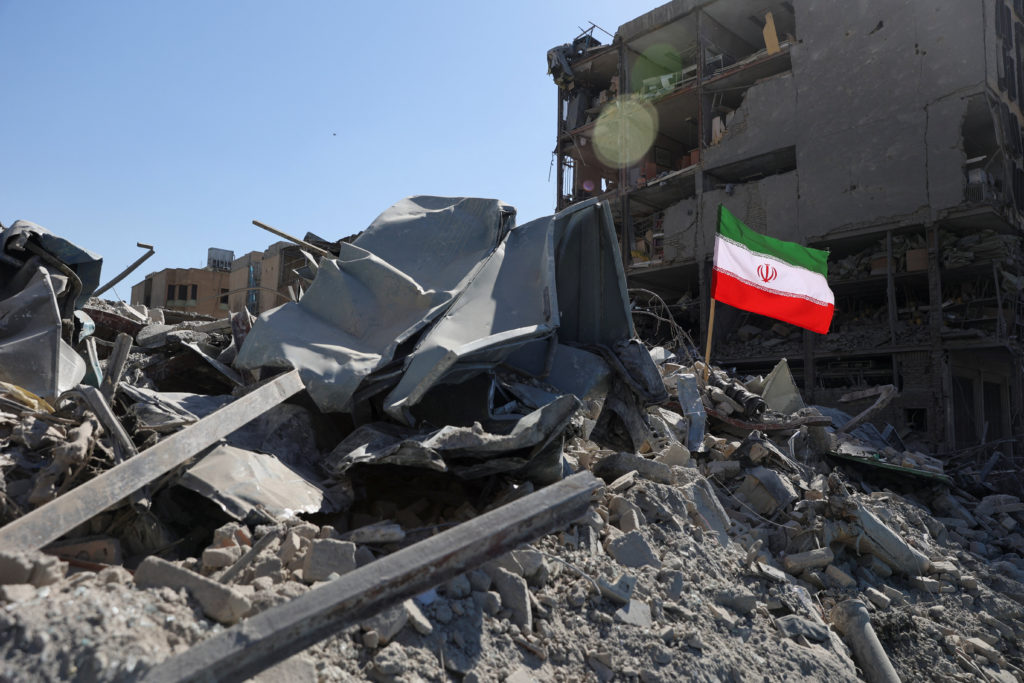
Iran has said its attacks are aimed only at US military bases and related sites. But Dar pointed out that’s not the full picture. Missiles have landed on airports, hotels, and even residential areas, causing wider damage. “The missiles were not exactly hitting US bases or installations,” he noted. “They also fell on airports, hotels, residential areas.” This raises questions about the true targets and the risks to civilians in the Gulf.
With ongoing drone barrages and missile strikes, the region remains on edge. Pakistan’s involvement underscores the need for clear communication to avoid misunderstandings that could lead to bigger conflicts.
Impact on Pakistani Nationals in the Gulf
The escalating situation isn’t just about politics—it’s affecting real people. Dar gave an update on Pakistani expatriates and visitors caught in the middle. Sadly, one Pakistani lost their life in Abu Dhabi due to the hostilities.
Here’s a quick look at the numbers:
- Qatar: Home to about 350,000 Pakistanis, plus 1,400 tourists or short-term visitors who are stranded because of flight cancellations. Pakistan’s embassy is working with Qatari authorities to help them.
- Iraq: Around 40,000 Pakistanis live here, including 3,500 pilgrims. About 500 in the Kurdistan region want to return home, and plans are in place to assist.
- Saudi Arabia: Hosts 2.5 million Pakistani workers and residents, who are mostly safe amid the lighter attacks.
- Kuwait: 101,000 Pakistanis, with 27 visitors stuck.
- Bahrain: 134,000 Pakistanis, no one reported stranded.
- Jordan: 18,000 Pakistanis, all accounted for without issues.
Pakistan is keeping a close eye on these communities, coordinating evacuations where needed. It’s a reminder of how global events hit close to home for families back in Pakistan.
Broader Context and a Surprising Nomination
Dar also touched on Pakistan’s nomination of the US President for the Nobel Peace Prize, linked to efforts in resolving last year’s India-Pakistan tensions. While that might seem unrelated, it shows Pakistan’s push for peace on multiple fronts.
Wrapping It Up
Pakistan’s use of the Saudi defence pact to deter Iran strikes is a smart play in a volatile region. By fostering dialogue and providing assurances, leaders like Ishaq Dar are helping maintain balance. As Gulf tensions continue, keeping an eye on diplomatic moves and the safety of expatriates will be key. This story is a good example of how alliances can prevent worse outcomes, benefiting everyone involved.