Introduction: Trump Foreign Policy 2025 Reshapes America’s Role
Trump foreign policy 2025 has upended the idea that his second term would mean the United States stepping back from the world. Instead of pulling away, Washington has stayed deeply involved in major crises, but on terms that reflect Trump’s personal style and priorities rather than the old Washington playbook.
Rather than long speeches about multilateralism, this approach leans on pressure, deals, and visible shows of strength to claim quick wins abroad. For allies, rivals, and observers, understanding Trump foreign policy 2025 is essential to making sense of today’s foreign policy headlines.
How Trump Foreign Policy 2025 Broke Old Expectations
When Trump campaigned for a second term, much of his message focused on ending “forever wars” and avoiding the kind of costly interventions that marked the early 2000s. That rhetoric led many people to assume that Trump foreign policy 2025 would mean fewer commitments overseas and a sharp turn inward.
Yet the reality has been very different. The administration has stayed active in hotspots such as Gaza, Ukraine, and Venezuela, but has relied less on traditional institutions and more on direct pressure, leader‑to‑leader engagement, and hard bargaining. In practice, the United States is still leading, just in a more narrow, transactional way.
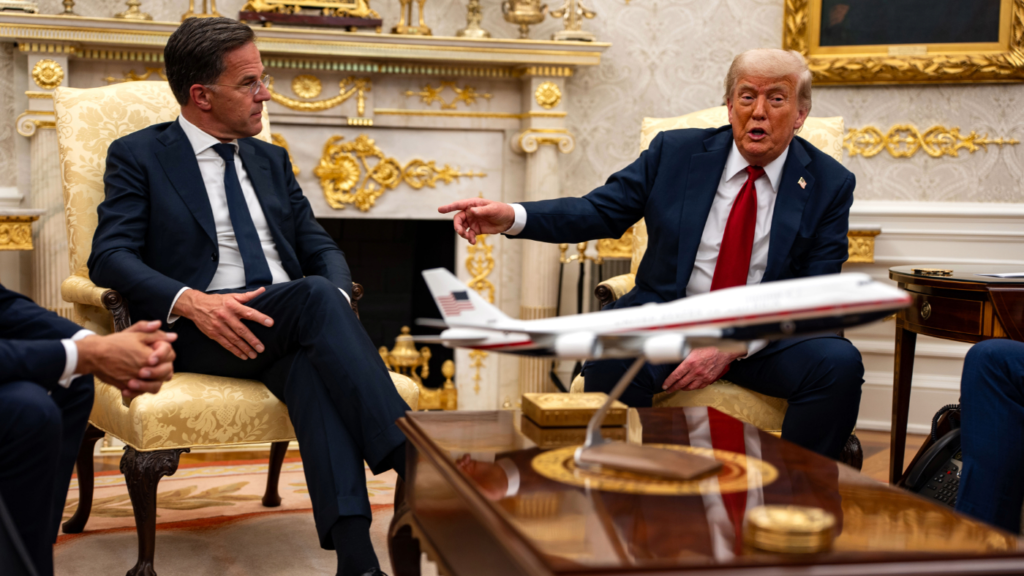
Main Features of Trump Foreign Policy 2025
Trump foreign policy 2025 has a few recurring themes that appear across regions and issues.
- The United States picks its battles, focusing on issues that are seen as directly tied to security, migration, energy, or domestic politics.
- Economic tools such as tariffs and sanctions are used not just as background pressure but as central foreign policy weapons.
- Military deployments and operations are designed to send clear signals, whether in the Caribbean, the Middle East, or Eastern Europe.
This mix is very different from the alliance‑heavy and institution‑driven strategies of previous administrations, even when the end goals partly overlap.
Trump Foreign Policy 2025 in Gaza and the Wider Middle East
The Middle East remains one of the main testing grounds for Trump foreign policy 2025. In Gaza, Washington has backed a detailed, phased plan that links ceasefires, hostage arrangements, and humanitarian aid to a broader political and reconstruction roadmap.
The plan combines security guarantees, new governance structures, and international involvement on the ground, even though Trump has long attacked earlier state‑building projects in Iraq and Afghanistan. At the same time, the administration has tightened pressure on Iran through sanctions, diplomacy, and regional balancing, trying to limit Tehran’s reach without committing to a large new war. Supporters see this as tough realism; critics see familiar risks with a different narrative.
Trump Foreign Policy 2025 and Gunboat Diplomacy in Venezuela
Latin America, and Venezuela in particular, shows another side of Trump foreign policy 2025. In response to Caracas and its allies, the United States has used naval deployments, maritime strikes against suspected trafficking vessels, and heavy political messaging to pressure the Maduro government.
The style resembles older eras of U.S. “gunboat diplomacy,” when warships were moved into position not just for war, but to shape political outcomes. For some in Washington, this demonstrates that U.S. power in its own hemisphere is alive and well. For others, the risk is that a coercive campaign designed to avoid a long conflict may instead trigger one if miscalculation or escalation occurs.
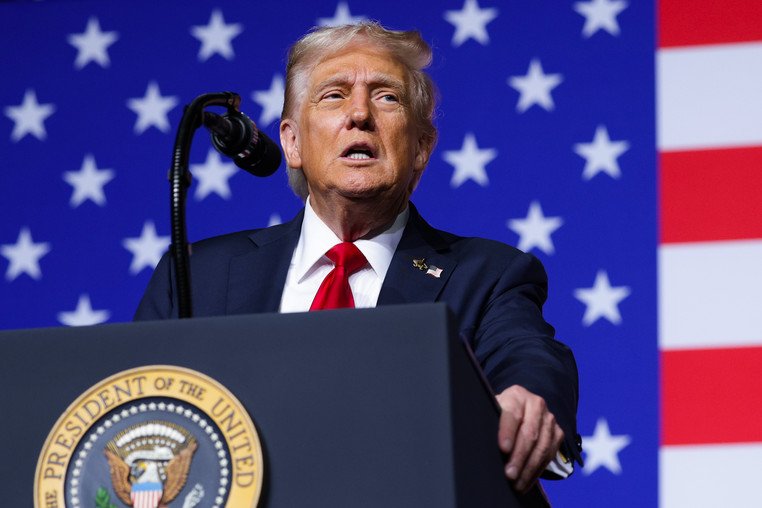
Human Rights and Selective Pressure Under Trump Foreign Policy 2025
Early in the term, Trump signaled that the United States would no longer be in the business of lecturing other governments about internal human rights issues. Later decisions, however, show that human rights and democracy concerns have not vanished from Trump foreign policy 2025; they are simply applied more selectively.
Tariffs, sanctions on specific officials, and high‑profile diplomatic snubs have been used against some countries over their treatment of political rivals or religious and ethnic communities, while other cases draw much quieter responses. The result is a foreign policy that still invokes values, but often in ways closely tied to Trump’s political narratives and strategic interests rather than a universal rulebook.
Strategic Risks and Future Direction of Trump Foreign Policy 2025
Trump foreign policy 2025 aims to deliver visible results without the open‑ended commitments that frustrated many Americans in previous decades. This strategy, however, creates a series of long‑term challenges that will likely shape debates well beyond this term.
Pressure campaigns in places like Venezuela can be effective in the short run but may be hard to unwind without appearing weak if negotiations stall. Large, complex undertakings in Gaza and the wider Middle East demand sustained attention and resources, even if the official message rejects “nation‑building.” Meanwhile, focusing on regional moves and headline crises risks diluting attention from long‑term competition with China in the Indo‑Pacific and with Russia in Europe.
Whether this model becomes a template for future administrations or remains a unique Trump‑era experiment will depend on outcomes in these key arenas and how the U.S. public judges the costs and benefits.
Conclusion: What Trump Foreign Policy 2025 Tells Us
Trump foreign policy 2025 shows a United States that is still very much engaged in the world, but on narrower, more hard‑edged terms. Instead of broad, institution‑building projects, the focus is on leverage, quick deals, and visible strength in places that matter most to the White House.
For partners and adversaries, this means that U.S. commitments can be powerful but less predictable, with major implications for global stability and long‑term strategy. How this experiment is judged will depend on whether it delivers real security gains without dragging the country into the kinds of costly conflicts it promised to avoid.
FAQs About Trump Foreign Policy 2025
Q1: Does Trump foreign policy 2025 pull the U.S. back from global leadership?
No. The United States remains deeply involved in key regions, but leadership now relies more on pressure, deals, and direct diplomacy than on multilateral institutions.
Q2: How important is Gaza to Trump foreign policy 2025?
Gaza is central, serving as a test of whether a complex mix of security arrangements, governance changes, and reconstruction can work without repeating past nation‑building mistakes.
Q3: Why has Venezuela become such a prominent case?
Venezuela is where the administration has revived gunboat‑style signaling, using naval deployments and strikes to squeeze the Maduro government while trying to avoid a prolonged war.
Q4: What role do human rights play in this approach?
Human rights concerns are not gone, but they are used selectively, often where they support wider political or strategic goals rather than applying a consistent standard everywhere.
Q5: How does Trump foreign policy 2025 affect relations with China and Russia?
By prioritizing regional and short‑term leverage, the administration risks stretching attention and resources needed for long‑term competition with China and managing tensions with Russia.
Q6: Is this approach likely to last after Trump?
Some tools, such as heavy use of sanctions and tariffs, may endure, but the highly personal, leader‑driven style could fade if a future administration returns to more traditional diplomacy.
Q7: Where can readers learn more about these debates?
For deeper analysis, readers can look at work from the Council on Foreign Relations, the Middle East Institute, and Brookings, which regularly break down U.S. foreign policy trends and choices.