Trump calls Iran’s leaders “very reasonable”
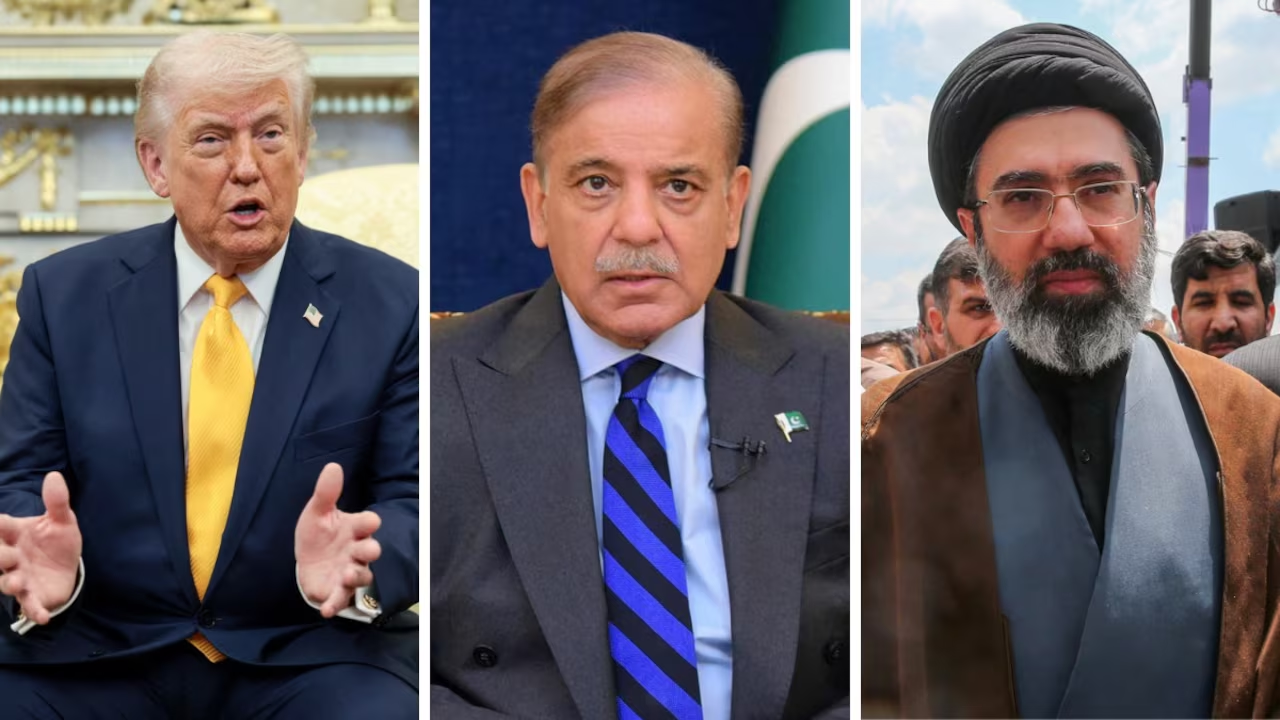
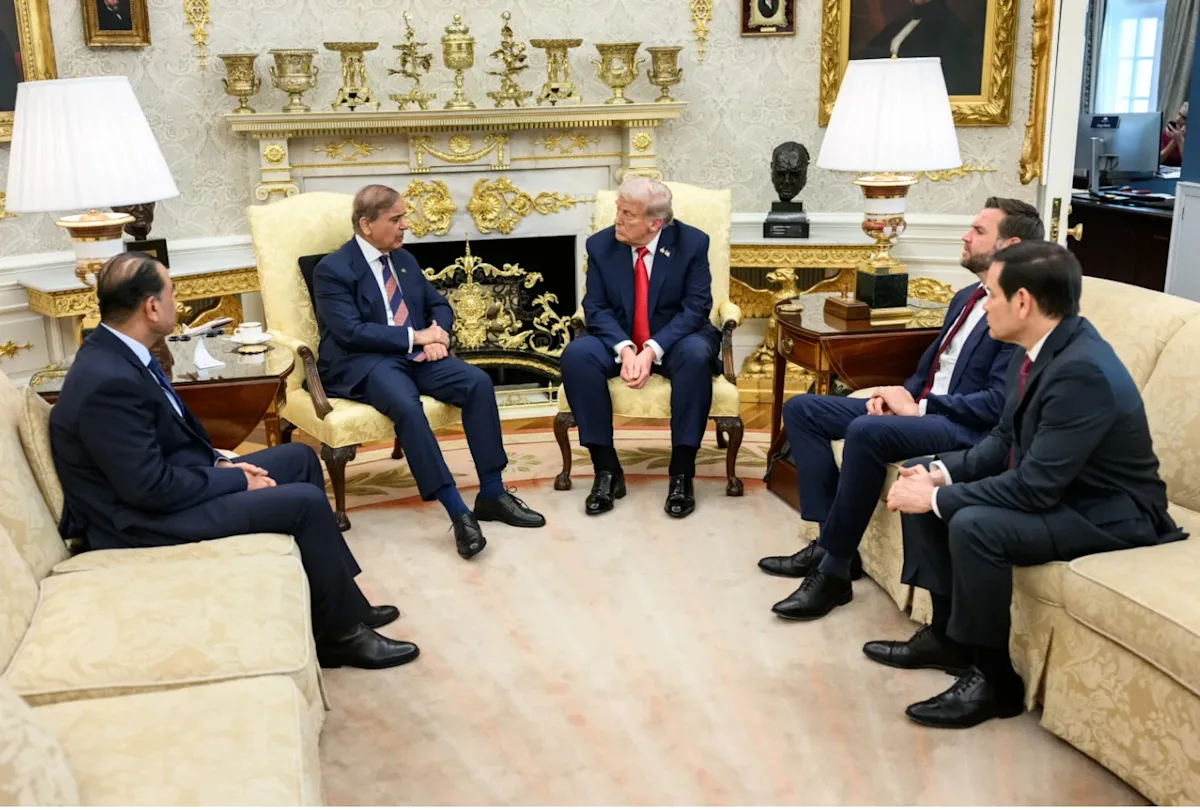
Trump said the United States and Iran have been meeting “directly and indirectly” and expressed hope that a deal could be reached. He argued that regime change in Tehran has already happened after strikes killed Iran’s previous supreme leader and other senior officials, and he twice described the new leadership as “reasonable.”
Pakistan offers to host peace talks
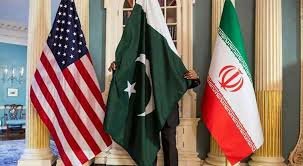
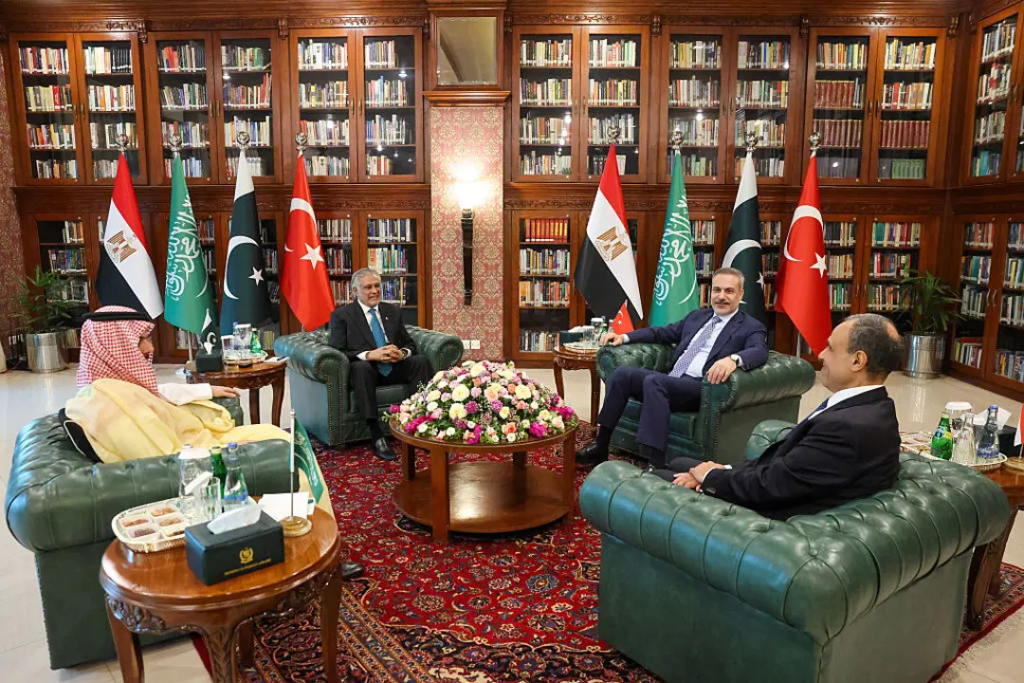
Pakistan is acting as a mediator between Tehran and Washington and is preparing to host “meaningful talks” in the coming days. Foreign Minister Ishaq Dar said regional foreign ministers discussed ways to end the month‑long Iran war and possible U.S.–Iran talks in Islamabad, although it remains unclear whether both sides will attend.
Iran warns against U.S. ground attack
Iran’s parliament speaker Mohammad Baqer Qalibaf accused Washington of sending messages about possible negotiations while also planning a ground invasion. He warned that Tehran is ready to respond if U.S. soldiers are deployed and said Iran would “never accept humiliation” as long as the United States seeks Iran’s surrender.
Israeli air strikes intensify
Israel’s military reported more than 140 air strikes on central and western Iran, including Tehran, within 24 hours, targeting missile launch sites, storage facilities and other locations. Iranian media said strikes hit Mehrabad airport and a petrochemical plant in Tabriz, while a chemical plant in southern Israel was also hit by a missile or debris, triggering warnings about hazardous materials.
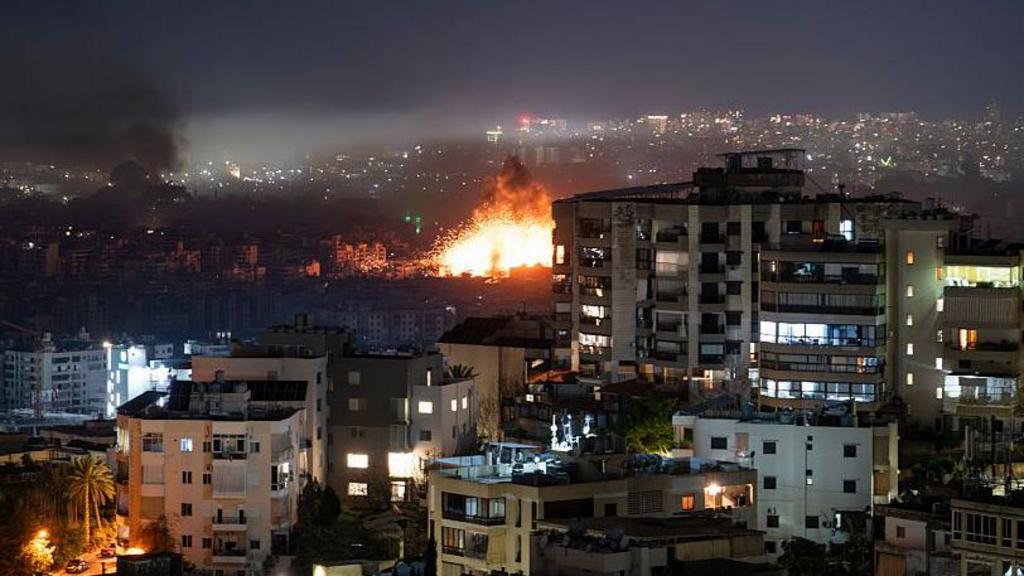
Energy routes under pressure and oil prices surge
Iran has effectively blocked the Strait of Hormuz, a key route that carries around 20% of global oil and gas shipments, pushing up energy prices and spreading economic pain worldwide. Asian stocks fell sharply, and Brent crude futures climbed above $115 a barrel, heading for a record monthly rise that is stoking inflation and recession fears.
More U.S. troops arrive in the region
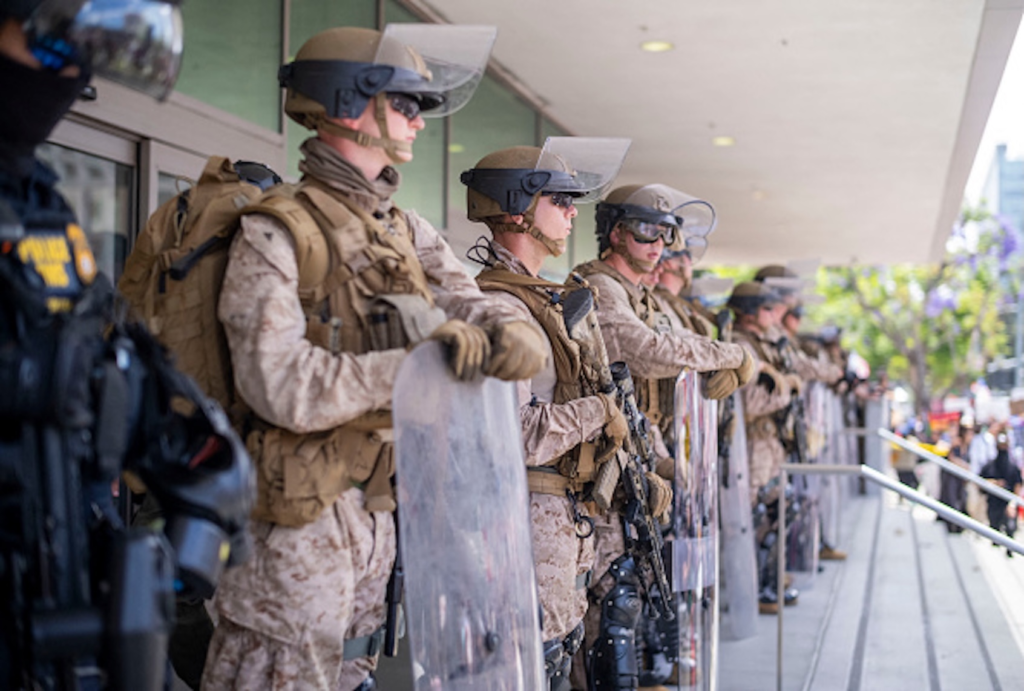
Several hundred U.S. special operations forces have recently arrived in the Middle East, adding to thousands of Marines who came on an amphibious assault ship. The Pentagon is considering options that could include ground forces, although Trump has not approved any plan so far.
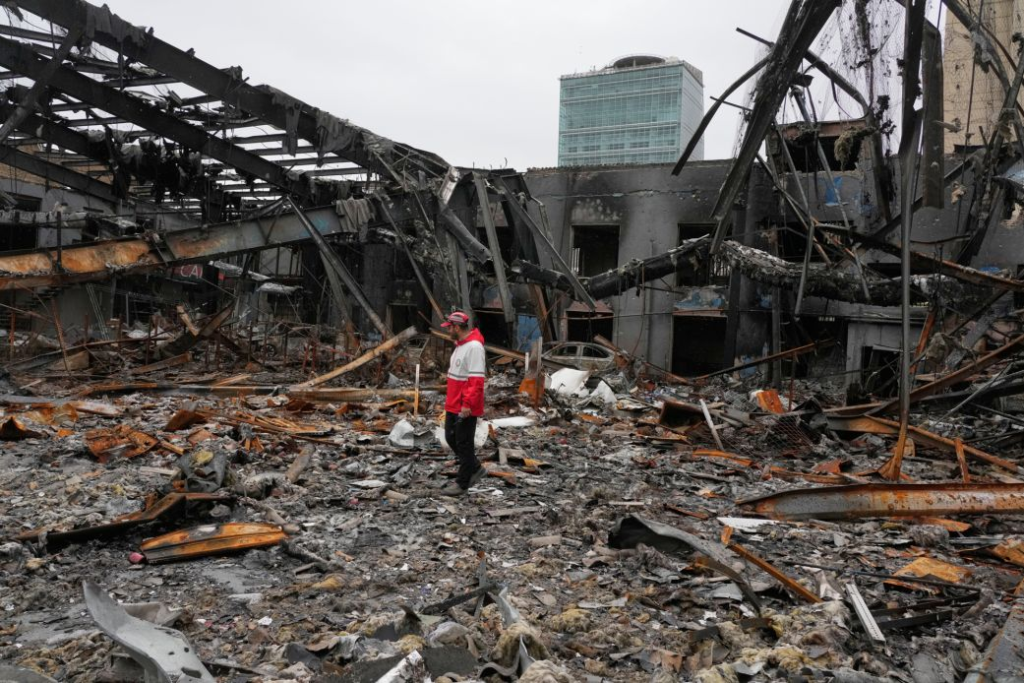
Talk of seizing Iran’s oil hub
In an interview, Trump said he wanted to “take the oil in Iran” and suggested the United States could seize Kharg Island, Iran’s main export hub that handles about 90% of its oil exports. Controlling the island would give Washington strong leverage over Iran’s energy trade but would require ground troops and carry major military and political risks.
U.S. public wary of further escalation
Most Americans oppose the war and a new escalation that could lead to a long conflict. A deeper crisis would likely hurt Trump’s already low approval ratings ahead of the November midterm elections for Congress.
Houthis join the conflict
Yemen’s Iran‑aligned Houthi movement has entered the conflict by launching its first attacks on Israel. Israel says it intercepted two drones from Yemen, but there are growing worries that Houthis could threaten the Bab el‑Mandeb Strait, another key shipping route for global trade.
Why Pakistan’s role matters
For Pakistan, hosting possible U.S.–Iran talks is a major diplomatic opportunity and also a security necessity. As a neighbor of Iran and a U.S. partner, Islamabad wants to reduce regional tensions that could hurt its own economy and stability.
Regional tensions and global concern
The Iran war, rising air strikes and extra U.S. troops in the Middle East have pushed regional tensions to a dangerous level. World powers are worried that without a political deal, this conflict could easily turn into a much wider regional war.
Economic shock for ordinary people
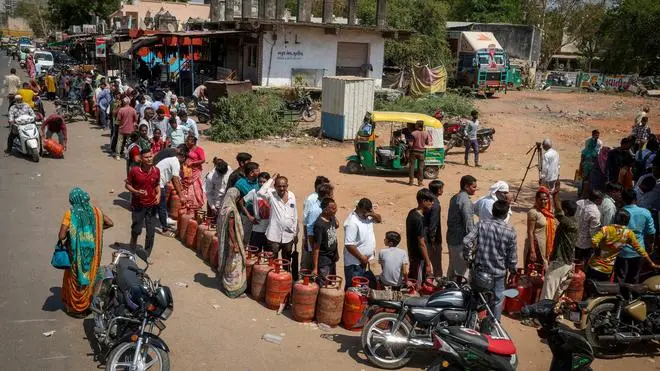
The jump in energy prices is a hard shock not only for governments but also for ordinary people. Expensive oil, higher transport costs and rising inflation are making daily life harder, especially in poorer countries that already struggle with weak economies.
Diplomatic race to avoid a wider war
The United States, Pakistan and other regional states are using quiet diplomacy to try to stop a larger war. However, Israeli air strikes, Iranian warnings and the risk of more Houthi attacks constantly threaten to derail these peace efforts.
Stakes for Pakistan’s security and economy
If the war spreads, Pakistan could face border tensions, costly fuel imports and deeper regional instability. For Islamabad, hosting possible peace talks is not only a diplomatic chance but also a way to protect its own security and fragile economy.
Uncertain path ahead for peace talks
For now, it is still unclear whether both the United States and Iran will actually sit at the same table in Pakistan. In the coming days, there could either be a breakthrough in Islamabad or more attacks, more sanctions and even higher oil prices pulling the world toward a new crisis.