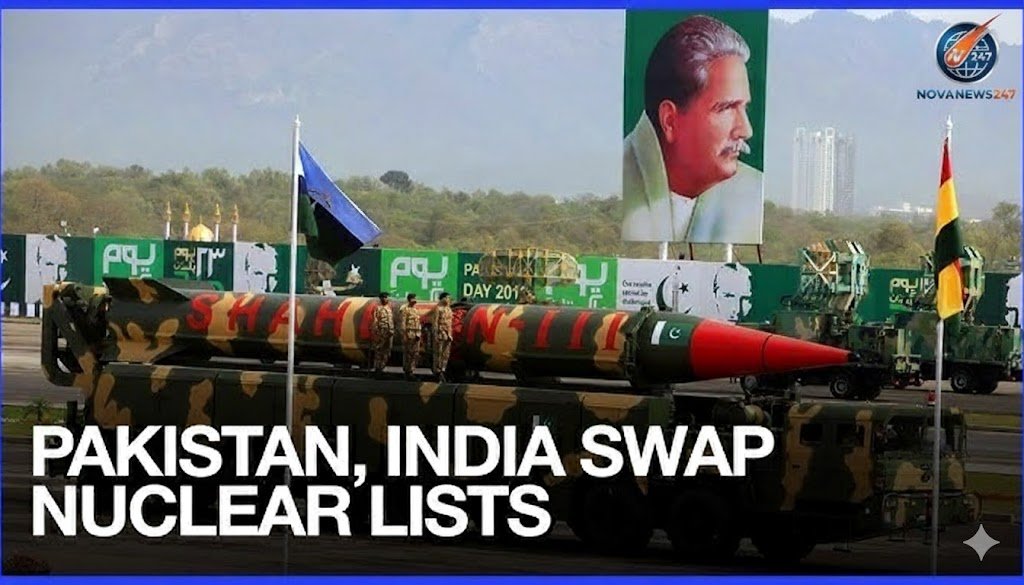
Pakistan India nuclear installations list exchanged again
Pakistan India nuclear installations list was exchanged once again on January 1 as part of a regular confidence-building step between the two neighbours. This practice is based on the 1988 Agreement on the Prohibition of Attacks against Nuclear Installations and Facilities, which came into force in 1991 and has been implemented every year since 1992.
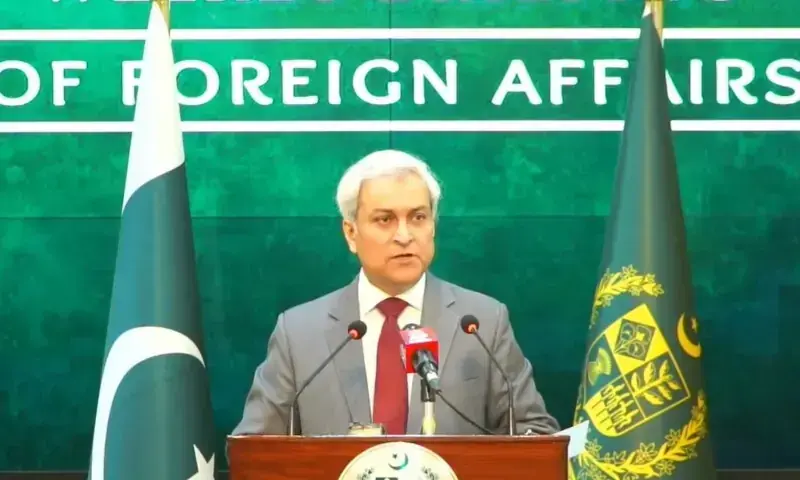
According to Foreign Office spokesperson Tahir Hussain Andrabi, Pakistan handed over its list of nuclear installations and facilities to a representative of the Indian High Commission in Islamabad, while India shared its own list with Pakistan’s High Commission in New Delhi. The Pakistan India nuclear installations list exchange is seen as an important measure to reduce misunderstandings and to lower the risk of attacks on sensitive sites in any future crisis.
This agreement requires both countries to inform each other annually about all nuclear installations covered by its definition. By continuing the Pakistan India nuclear installations list exchange even in times of tension, both sides signal that they still respect some basic rules of engagement and wish to avoid any accidental escalation.
Annual prisoner lists between Pakistan and India
Along with the Pakistan India nuclear installations list, both countries also exchanged updated lists of prisoners held in their jails on January 1. This exchange is carried out under the 2008 Agreement on Consular Access, which makes it compulsory to share lists of detained nationals on January 1 and July 1 every year.
The Foreign Office spokesperson explained that India shared the list of Pakistani prisoners in its custody with Pakistan’s High Commission in New Delhi, while Pakistan also provided its list of Indian prisoners to the Indian mission. These lists usually include fishermen, civilians arrested near the border, and individuals held on various charges, and they help both governments process consular access and possible repatriation.
Such regular exchanges support basic humanitarian rights and keep families informed about the status of their relatives in foreign jails. Even when political relations are strained, these Pakistan–India prisoner lists show that some cooperation on human issues still continues.
Pakistan’s concern over Dulhasti Stage-II hydropower project
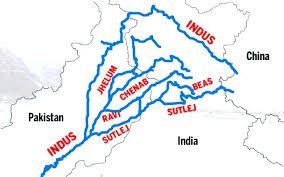
During the same briefing, the spokesperson raised concern about India’s reported plan to build the Dulhasti Stage-II hydropower project on the Chenab River in Indian-administered Jammu and Kashmir. Pakistan says that it has not received any formal notification about this project, which is required under the Indus Waters Treaty (IWT).
The IWT, signed in 1960 with the support of the World Bank, gives India full rights over the eastern rivers Ravi, Sutlej and Beas, while allocating the western rivers Indus, Jhelum and Chenab mainly to Pakistan. India is allowed only limited, non-consumptive use of the western rivers for projects like hydropower, and any such structure has to follow strict design and operational limits.
Pakistan argues that the Dulhasti Stage-II plan may breach these rules if it does not respect the treaty’s technical conditions or if information is not shared in time. The Pakistani Commissioner for Indus Waters has already asked his Indian counterpart to share details about the nature, scope and technical design of the proposed project, including whether it is a new run-of-the-river scheme or an extension of an existing plant.
Islamabad has warned that India cannot use its restricted allowance under the IWT to build unilateral hydropower schemes on the western rivers without full transparency and compliance. Without formal communication from New Delhi, Pakistan says it cannot assess if Dulhasti Stage-II respects the treaty, and has urged India to quickly answer all pending questions to avoid further friction.
Pakistan India nuclear installations list and broader foreign policy
The Pakistan India nuclear installations list exchange came on a day when the Foreign Office also commented on wider regional and global issues. In response to a question about recent United States arms sales to Taiwan, the spokesperson underlined that Pakistan “consistently supported China” on matters related to its core interests, including Taiwan.

He reaffirmed that Pakistan follows the One China principle and regards Taiwan as an integral part of China, calling on all countries to respect their past commitments and to avoid actions that could raise tensions in the Taiwan Strait. Pakistan urged relevant states to act in ways that promote peace, security and development in the region instead of fuelling confrontation.
This statement shows how the Pakistan India nuclear installations list exchange, a bilateral step with India, took place alongside a clear sign of Pakistan’s strategic alignment with China on a key international issue. It highlights how Pakistan tries to manage its complex ties with India while at the same time standing firmly with Beijing on Taiwan and other sensitive topics.
Pakistanis returning from Afghanistan and humanitarian focus
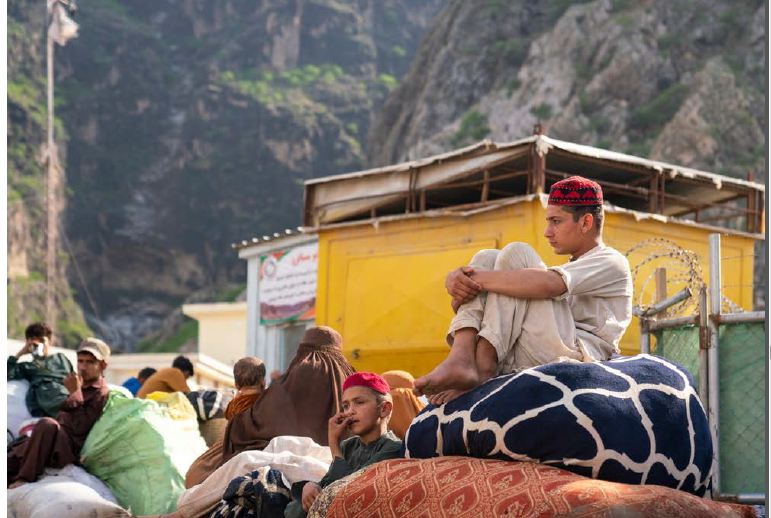
The briefing also covered the situation of Pakistani citizens who had been stranded in Afghanistan. The spokesperson said that 15 students and 291 other individuals had safely returned to Pakistan, showing that the government is actively working to bring people back home.
He added that more than 1,100 Pakistanis, including hundreds of students, had registered with the embassy in Kabul for assistance and possible return. The authorities in Islamabad are in touch with Afghan officials and are planning further steps to support these citizens and arrange their travel.
These efforts run in parallel to technical issues like the Pakistan India nuclear installations list exchange, reflecting how the Foreign Office must balance security, diplomacy and humanitarian responsibilities at the same time. By sharing regular updates, the government aims to keep families informed and to show that their concerns are being addressed.
Why the Pakistan India nuclear installations list matters
The continued Pakistan India nuclear installations list exchange is more than a routine paperwork exercise. For both nuclear-armed neighbours, this annual step serves as a basic but important confidence-building measure that helps lower the risk of miscalculation and surprise attacks on critical sites.
By sticking to the 1988 nuclear installations pact, even when relations are cold, Pakistan and India show that they still recognise certain red lines that must not be crossed. When combined with prisoner list exchanges and dialogue on water issues, the Pakistan India nuclear installations list can be seen as part of a broader framework aimed at preventing crises from spinning out of control.