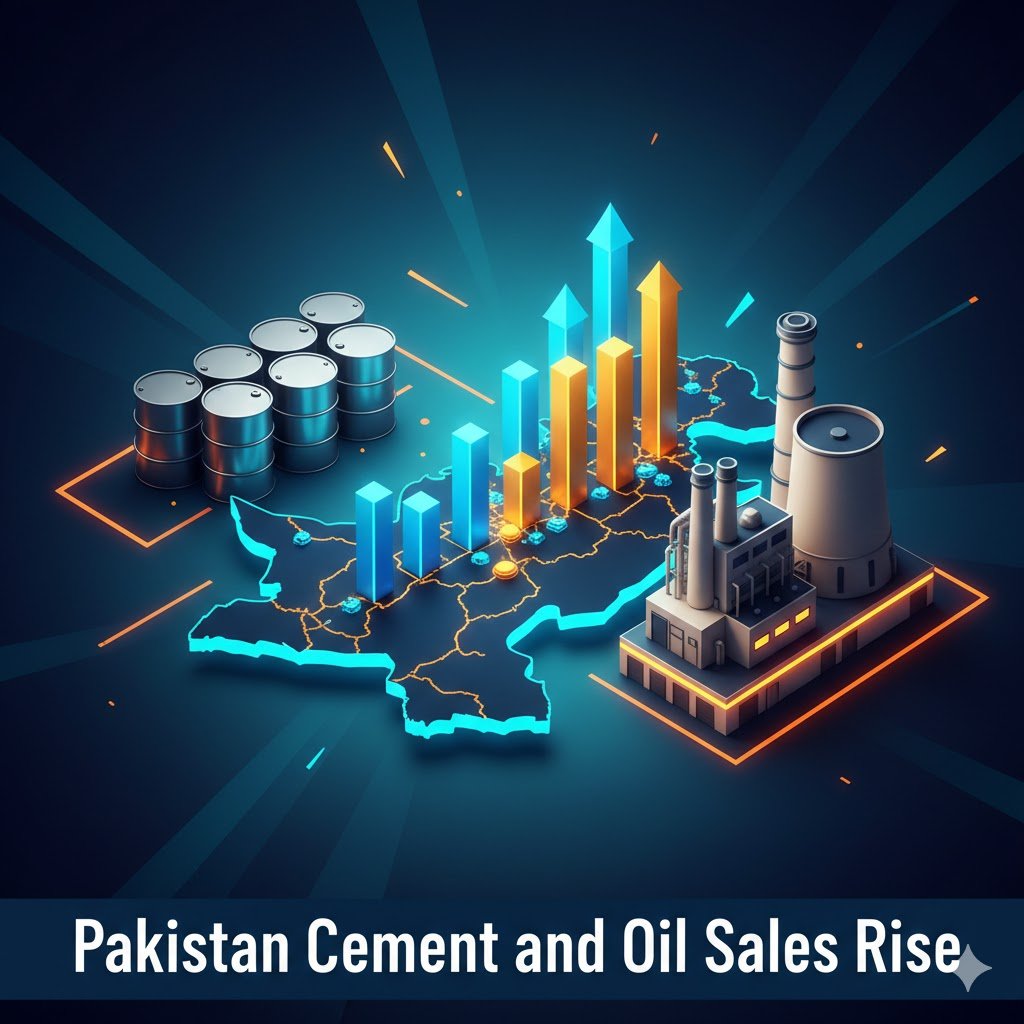
Pakistan’s Cement and Oil Sales Rise: An Overview
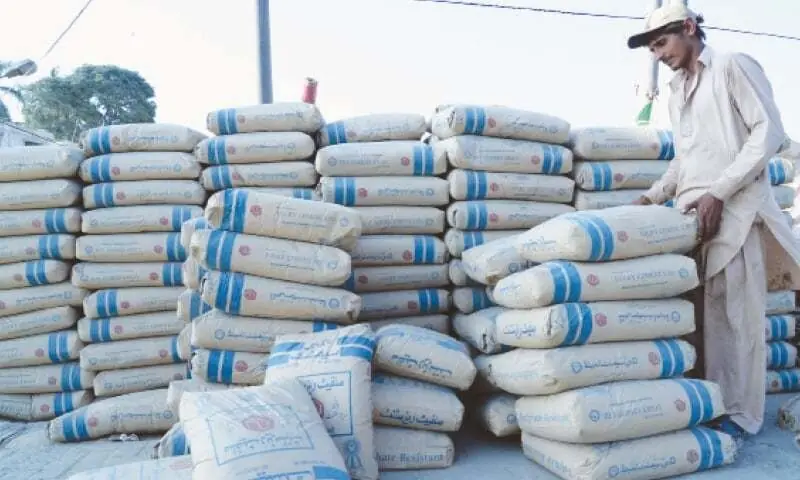
Pakistan’s cement and oil sales rise in January has given a rare positive signal for the country’s troubled economy. Local cement sales grew by 4.36% year‑on‑year to 3.601 million tonnes, while total dispatches, including exports, reached 4.538 million tonnes, up 12.54% from a year earlier. At the same time, oil marketing companies sold 1.52 million tonnes of petroleum products in the month, showing a 10% annual increase and a 12% jump compared to December. These trends suggest that key sectors are finally starting to move after a long period of weak demand.
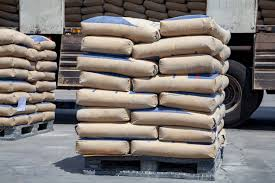
Cement Dispatches Show Early Signs of Recovery
Data from the All Pakistan Cement Manufacturers Association indicates that the improvement in cement demand is not limited to a single month. In the first seven months of FY26, total cement dispatches rose 10.58% year‑on‑year to 30.583 million tonnes. Domestic sales led this rise with a 12.36% increase to 25.015 million tonnes, while exports grew 3.26% to 5.568 million tonnes. This performance points to a gradual recovery in construction and infrastructure activity, which supports jobs and linked industries such as steel, transport and services.
Export Growth and Regional Gaps in the Cement Sector
Cement exports paint a mixed picture when broken down by region. In January, total exports surged 79.4% year‑on‑year to 937,097 tonnes, driven mainly by sea shipments from producers based in the south. In contrast, north‑based companies recorded no exports during the month, as trade with Afghanistan and other neighbouring markets remained under pressure due to border disruptions and political uncertainty. This contrast shows how regional and geopolitical risks still weigh on Pakistan’s cement industry despite the overall rise in dispatches.
Oil Sales Point to Higher Transport and Trade Activity
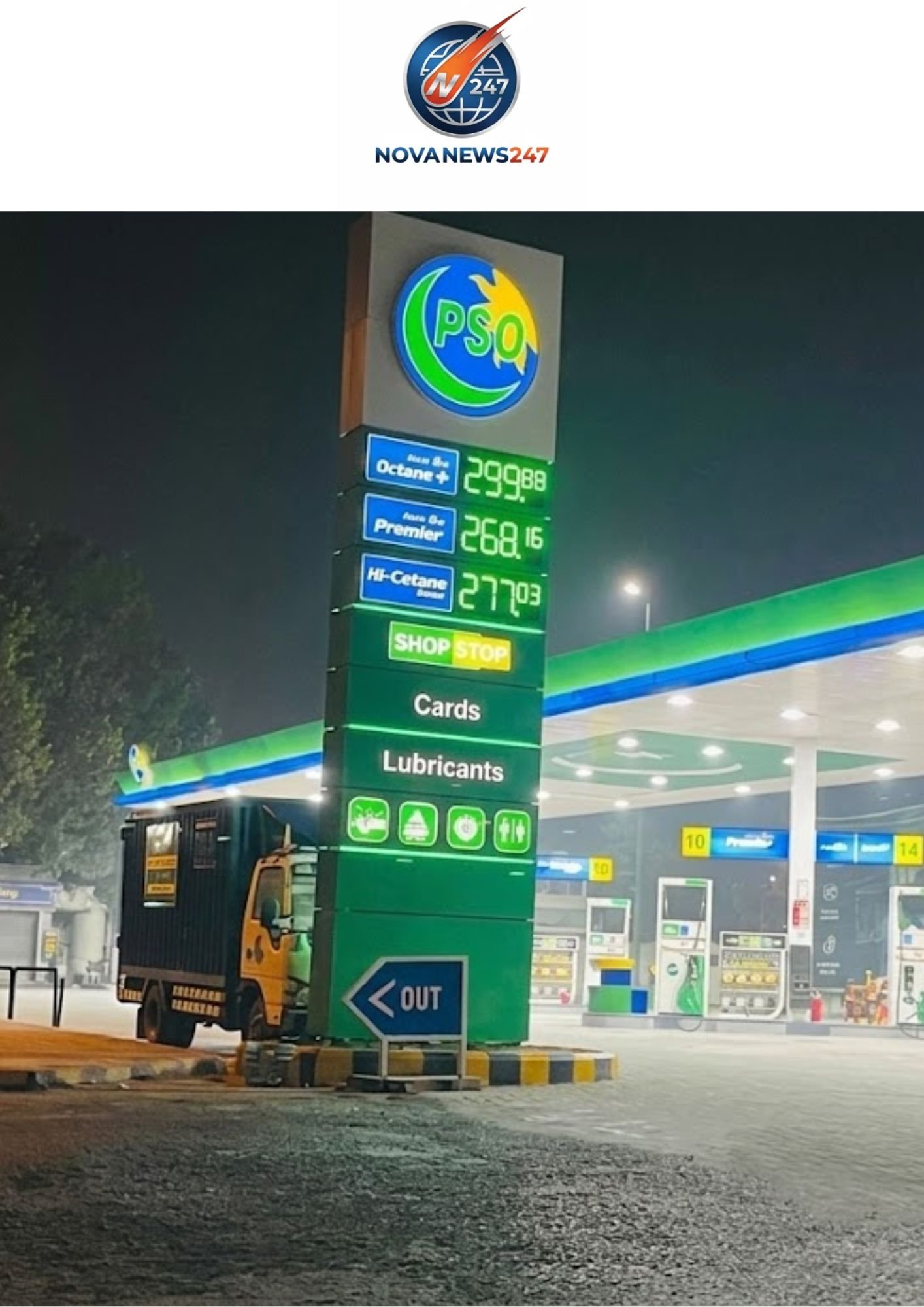
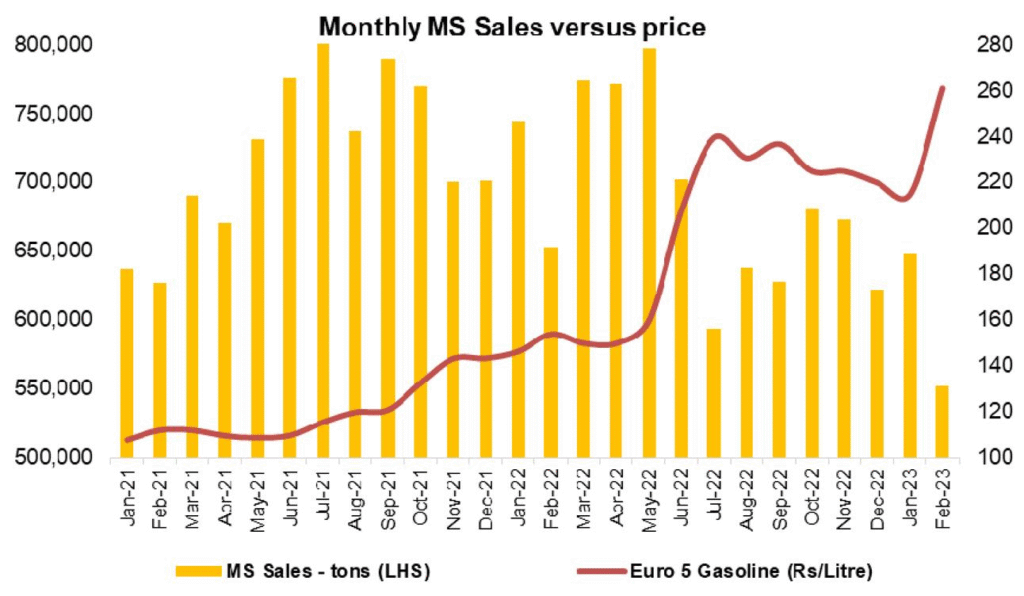
Oil sales also signal a modest pickup in economic activity. According to brokerage data, total product sales in the first seven months of FY26 reached about 9.7 million tonnes, up around 3% from the same period last year. Petrol and high‑speed diesel led this growth, suggesting more movement of people and goods on the roads. Analysts link the improvement to a slight economic recovery, lower inflation and stronger action against fuel smuggling, which had previously undercut formal sector sales.
Petrol, Diesel and Furnace Oil: What the Data Reveals
The breakdown of petroleum products gives more detail about changing demand patterns. Petrol sales in January rose on both yearly and monthly bases, pointing to stronger use of private vehicles and commercial transport. High‑speed diesel sales also improved, a key sign because diesel powers freight trucks, farm machinery and many industrial operations. Furnace oil, though a smaller part of the energy mix, recorded a sharp jump in sales and touched the highest level in several months, hinting at short‑term shifts in power generation needs.
How Rising Cement and Oil Sales Affect Pakistan’s Economy
Taken together, the latest numbers on Pakistan cement and oil sales rise point to a fragile but real improvement in the wider economy. Higher cement dispatches indicate more building activity, which can support employment and demand for related goods and services. Rising fuel consumption shows more vehicles on the road and more goods in transit, both of which are signs that trade and production are starting to recover. If these trends continue, they could help stabilise growth after several difficult years for households and businesses.
Key Risks That Could Slow the Fragile Recovery
Despite the positive signals, the recovery remains uneven and exposed to several risks. Northern cement exporters are still struggling with weak cross‑border flows, and any new surge in global oil prices could quickly reduce local demand. Policy support will decide whether the current rise in Pakistan cement and oil sales turns into a lasting trend or fades out. Stable energy prices, better logistics and smoother trade routes can help these early gains translate into broader and more durable growth across the economy.