Introduction
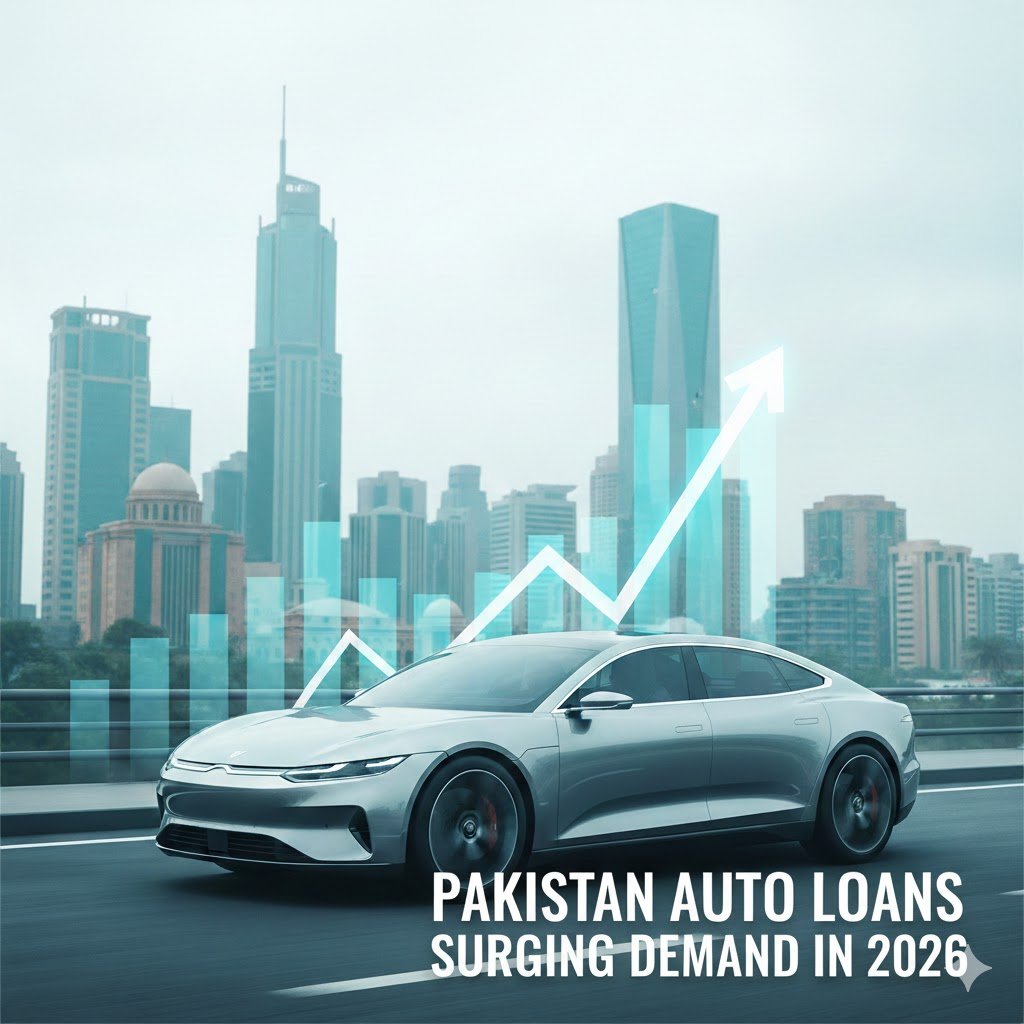
Auto financing in Pakistan has entered a renewed growth phase after a long period of slowdown. Rising demand for cars, better financing options from banks, and expectations of lower interest rates are driving a steady recovery in vehicle loans and sales.
Auto loans hit Rs328 billion in January
Outstanding auto loans climbed for the 14th consecutive month to reach Rs328 billion in January 2026, up from Rs319bn in December 2025. State Bank of Pakistan data shows that buyers accelerated borrowing at the start of the new model year, taking advantage of fresh registrations and updated variants.
Despite this momentum, total auto financing is still below the peak of Rs368bn recorded in June 2022, when annual car sales were around 240,000 units. Even so, the recent trend signals that consumer confidence is improving after a prolonged period of high inflation, currency volatility, and elevated interest rates.

Why car buyers are returning to bank financing
Industry expert Mashood Ali Khan notes that more customers are returning to bank financing to purchase vehicles, even though broader economic pressures remain. He argues that this shift is a clear sign that underlying demand for cars remains intact and can grow faster under the right policy conditions.
Several factors are supporting this recovery in auto loans:
- Change of model year and registration, which pushes many buyers to finalize purchases early in the year.
- Expectation of further monetary easing, encouraging customers to lock in deals before rates move again.
- Improved offers from banks, including lower mark-up rates, reduced down payments, and more flexible repayment plans.
Banks are actively competing for car buyers by easing financing terms, which is helping many middle-income households return to the new car market.
SBP’s Rs3m cap and the small-car focus
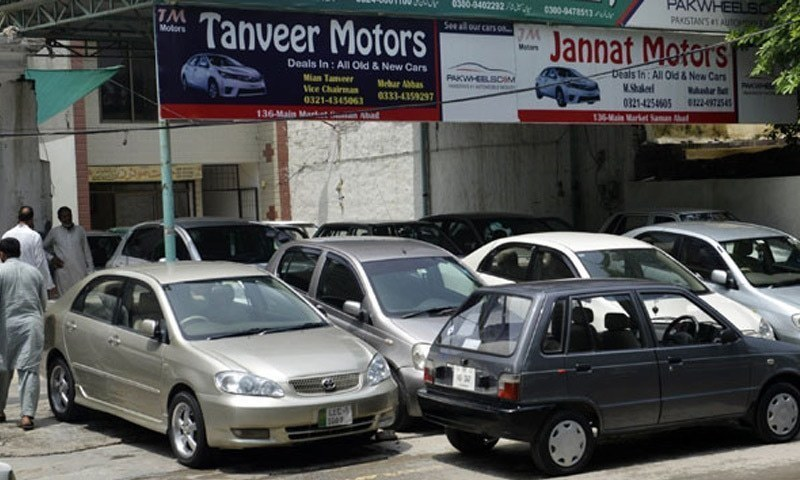
At present, most of the recovery in auto loans is taking place under the State Bank’s Rs3 million cap on auto financing. This limit was introduced to curb demand during the economic crisis, but it now shapes which segments can grow through bank-backed purchases.
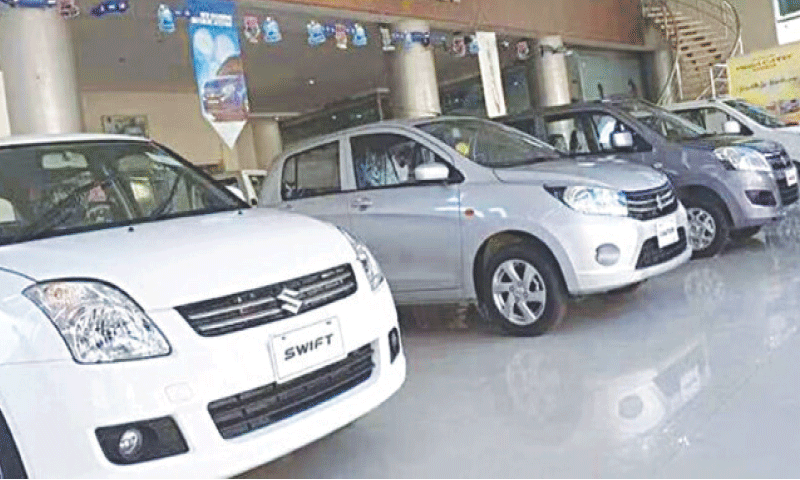
Because of this ceiling, the small-car segment has become the main beneficiary of auto financing. Many buyers in this category can fully or largely cover the price of hatchbacks and compact vehicles within the Rs3m limit, making bank loans a practical option for them.
For sedans and mid-range vehicles, buyers increasingly use a mix of partial financing and personal savings to bridge the gap created by the cap. This shows that demand exists in higher price brackets as well, but policy constraints are preventing a broader expansion in that segment.
Case for raising auto financing limits
Mashood Ali Khan believes that revising the auto financing cap upwards could unlock significant growth potential in Pakistan’s car market. He suggests that increasing the limit to around Rs6m–7m would open financing access to a wider range of sedans and mid-tier models that are currently out of reach for many bank-dependent buyers.
In his view, an enhanced cap coupled with lower interest rates could push Pakistan’s annual auto sales back above 200,000 units in the coming years. This would not only benefit car assemblers and dealers but also generate a strong multiplier effect across the economy.
Wider economic impact of stronger auto financing
A more vibrant auto financing market would support growth far beyond showrooms. Higher car sales mean greater demand for parts, logistics, services, and related industries, which in turn can create new jobs and business opportunities.
Khan points out several key benefits that could follow from higher financing ceilings and supportive policies:
- Growth in industrial production as assemblers ramp up output.
- Expansion of the local vendor base supplying parts and components.
- Increased employment in manufacturing, sales, maintenance, and allied services.
- Higher government revenue through taxes and duties on vehicles and imports.
He also stresses that continued moderation in interest rates would further strengthen financing activity, but calls the revision of auto financing limits the single most impactful step policymakers can take right now.
Rising imports signal upbeat sales outlook
Import data provides another sign that the auto sector is positioning itself for stronger demand. In the first seven months of FY26, imports of semi-knocked down (SKD) and completely knocked down (CKD) kits for local assembly rose by 137 per cent to reach 1.144 billion dollars, compared with 706 million dollars in the same period of the previous fiscal year.
This surge indicates that assemblers expect sales to stay upbeat in the coming months and are preparing to meet higher demand. If financing remains accessible and interest rates continue to ease, this investment in kits could translate into higher output and more vehicles on the road.
Conclusion: Policy support can turn demand into sustained growth
The steady rise in auto loans shows that Pakistan’s car buyers are ready to spend again, provided that financing remains accessible and affordable. With banks offering more flexible terms and assemblers ramping up kit imports, the foundations for a broader recovery in the auto sector are already in place.
However, the existing Rs3m financing cap limits the market’s full potential, especially for sedans and mid-range vehicles that many aspirational buyers want but cannot fully finance through banks. A carefully calibrated increase in financing ceilings, alongside lower interest rates and stable macroeconomic conditions, could turn today’s recovery in auto loans into a more sustained and inclusive growth cycle for Pakistan’s automobile industry.