Prosperity for Pakistan’s Agriculture: Why Change Is Urgent
Prosperity for Pakistan’s agriculture is now linked with how fast the country can move beyond its old, low‑growth farming model. For years, yield‑focused policies have not delivered enough benefits, as small farmers still struggle with low incomes and rising costs. Real improvement will come when policies support better productivity, higher‑value crops, and fair returns for farmers rather than just more output per acre.
Productivity, Income and Rural Prosperity
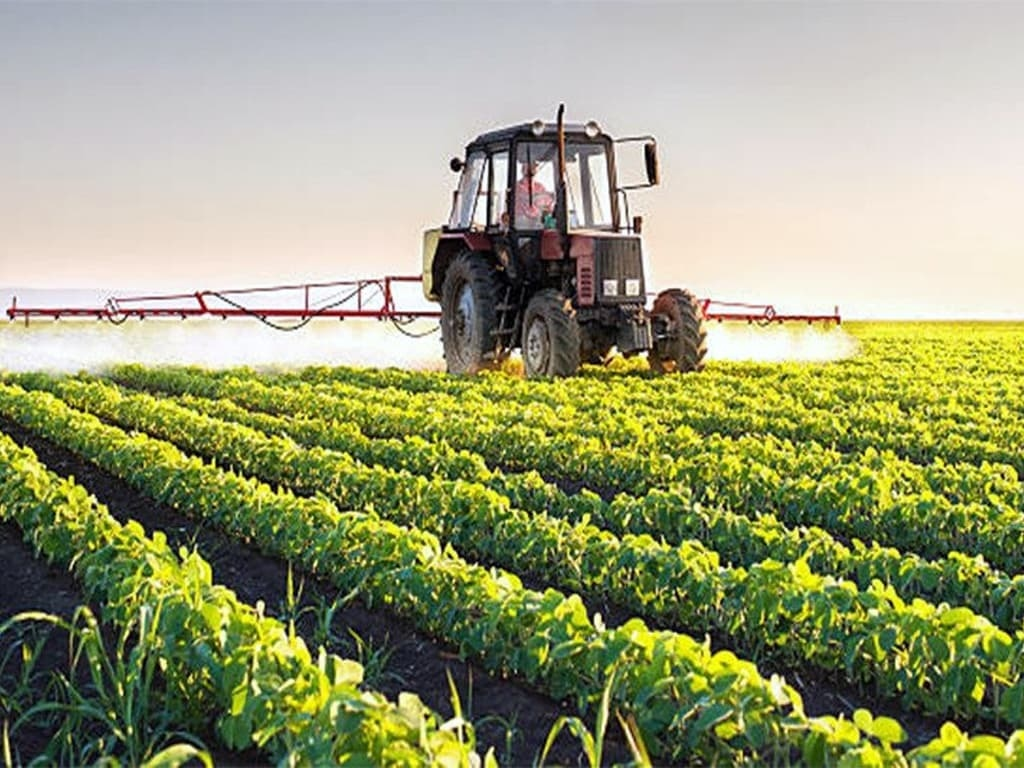
Higher productivity is still important, but it must translate into real income gains for rural families. Improved seeds, timely inputs, and reduced harvest losses can help, yet these steps alone do not guarantee better lives if market prices stay low. Farmers need stronger market access, transparent pricing, and support for value addition so that extra output gives higher profits, not just more risk.
Water, Land Use and Long‑Term Prosperity
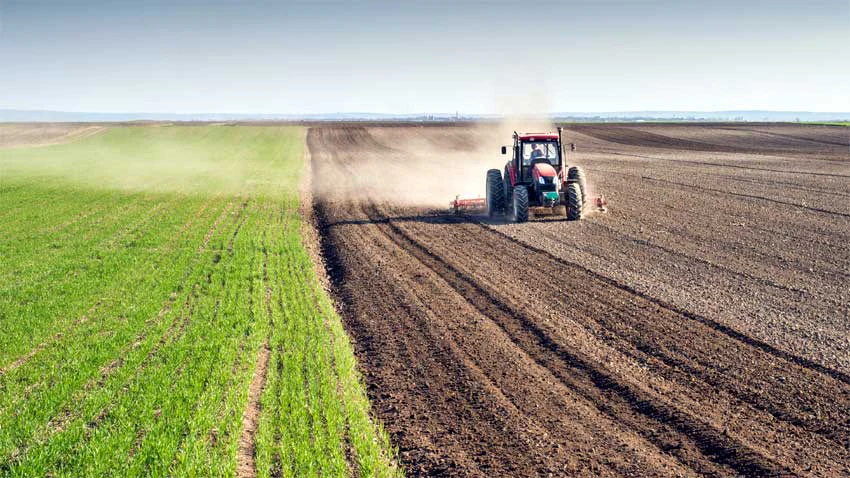
Long‑term success in farming also depends on how wisely Pakistan uses land and water. Water shortages, weak storage, and inefficient irrigation directly threaten future growth in rural areas. Investing in dams, lining canals, and promoting efficient irrigation can protect both crops and communities against climate stress and rising demand.
Crop Diversification for Shared Prosperity
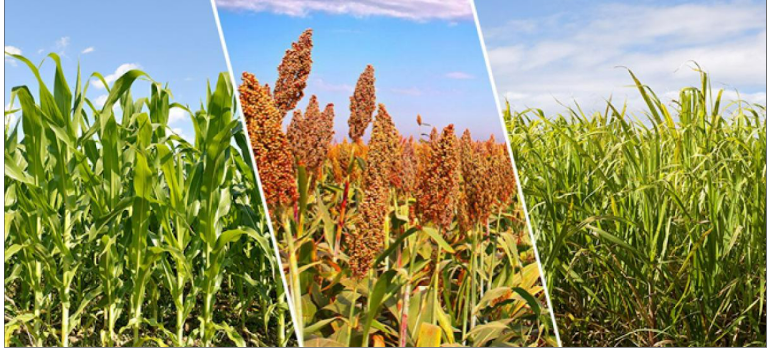
Growth will be faster if the country shifts from low‑value staples to high‑value, climate‑smart crops such as fruits, vegetables, oilseeds, and other specialised items. When farmers move some land towards these products, they open new doors to better prices and more jobs across the value chain. This kind of diversification can turn small farms into local engines of income, especially when backed by storage, processing, and strong links to urban and overseas markets.
Agro‑Based Enterprises, Exports and Lasting Prosperity
Small and medium agro‑based enterprises in rural towns are crucial for turning raw output into jobs and value. These businesses process, package, and export farm products, spreading income among farmers, workers, transporters, and traders. Stable export markets, strong standards, and effective trade diplomacy help make these gains durable so that high‑value crops become a steady source of national and rural prosperity instead of leaving farmers exposed to sudden price crashes.
Small farmers at the centre of prosperity
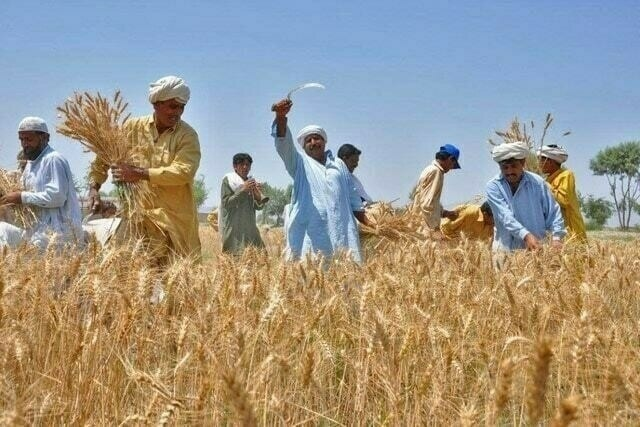
For real prosperity in Pakistan’s agriculture, small farmers must be at the centre of every policy and reform. Farm sizes are shrinking and most households now operate on very small plots, which limits their earning power and makes them highly vulnerable to climate shocks and market swings.
Organising smallholders into groups, clusters, or cooperatives can help them share resources, buy inputs at better prices, and sell their produce with stronger bargaining power. When they act together, they can also access training, technology, and credit that are normally out of reach for individual farmers.
Finance, insurance and secure livelihoods
Access to affordable finance is another building block for long‑term prosperity in rural areas. Many farmers still depend on informal lenders who charge very high interest rates, which eats away most of their profit at harvest time.
Well‑designed credit schemes, along with crop and livestock insurance, can give farmers the confidence to invest in better seeds, irrigation, and machinery. When farmers know they have some protection against bad weather or price crashes, they are more willing to try new high‑value crops and modern practices that can raise incomes.
Technology, climate resilience and future prosperity
Digital tools and climate‑smart farming methods are becoming essential for sustaining prosperity in Pakistan’s agriculture. Mobile‑based advisory services, satellite‑based weather alerts, and simple soil testing kits can guide farmers on when to irrigate, what to spray, and how to protect crops in extreme weather.

Climate‑resilient practices like drip irrigation, laser land levelling, raised‑bed planting, and efficient fertiliser use not only save water and inputs but also stabilise yields under changing climate conditions. These gains help secure both food supplies and rural incomes over the long term.
Building value‑added exports for wider prosperity
Pakistan can unlock much larger prosperity by shifting from bulk, low‑margin exports to value‑added products. Instead of mainly selling raw rice or unprocessed fruits, the focus can move towards packaged foods, juices, frozen vegetables, spices, dairy items, and halal meat.
By investing in modern processing plants, cold chains, and branding, the country can earn higher returns per tonne of product and create many non‑farm jobs in rural areas. This approach spreads prosperity beyond the farm gate and makes the agriculture sector more competitive in global markets.