Oil prices retreat slightly as Russia–Ukraine tensions rise
Oil prices retreat slightly as Russia–Ukraine tensions rise, after both Brent crude and US West Texas Intermediate jumped more than 2% in the last trading session. Early on Tuesday, traders took some profit and reacted to a pullback in precious metals, but the market still stayed alert because of fresh worries about supply disruptions. Oil prices retreat slightly as Russia–Ukraine tensions rise, yet risk in the background has not gone away.
Brent crude futures for February delivery, which expire soon, slipped about 0.3% to nearly 61.7 dollars a barrel, while the more active March contract also eased by 0.3%. US West Texas Intermediate crude was down around 0.3% near 57.9 dollars a barrel, showing that oil prices retreat slightly as Russia–Ukraine tensions rise but not enough to erase the earlier rally. For now, the market is moving in a narrow range, caught between profit‑taking and fear of new shocks.
Why oil prices retreat slightly as Russia–Ukraine tensions rise
The main reason oil prices retreat slightly as Russia–Ukraine tensions rise is simple: traders are balancing fear and reality. On one side, Moscow has accused Kyiv of targeting a residence linked to the Russian president, which Russia says is an attack meant to derail peace efforts. Ukraine rejects this and calls it a false claim, but the headline still adds pressure to talks and keeps investors on edge.
When hopes of a quick peace deal fade, markets usually expect some kind of supply risk, especially for Russian exports. However, global oil supply in 2025 has been more than enough, with strong US output, OPEC+ trying to keep its market share, and “dark oil” from sanctioned countries like Russia and Iran still reaching buyers. That is why oil prices retreat slightly as Russia–Ukraine tensions rise: the fear is there, but real barrels are still flowing.
Impact of Middle East tensions on oil prices
Oil prices retreat slightly as Russia–Ukraine tensions rise, but Middle East news also plays a big role in daily moves. In the last session, prices jumped over 2% after Saudi Arabia carried out airstrikes in Yemen, reminding traders that any conflict near key shipping routes can quickly push crude higher.
At the same time, comments from US President Donald Trump about Iran and Hamas added another layer of uncertainty. Trump warned Tehran that the United States could support another major strike if Iran restarts its ballistic missile or nuclear programmes, and he also threatened severe consequences for Hamas if it does not disarm. These statements matter because they raise the chance of new flare‑ups that could hit supply or shipping. Even so, after the first reaction rally, oil prices retreat slightly as Russia–Ukraine tensions rise and traders cool down from the initial shock.
How investor sentiment keeps oil in a tight range
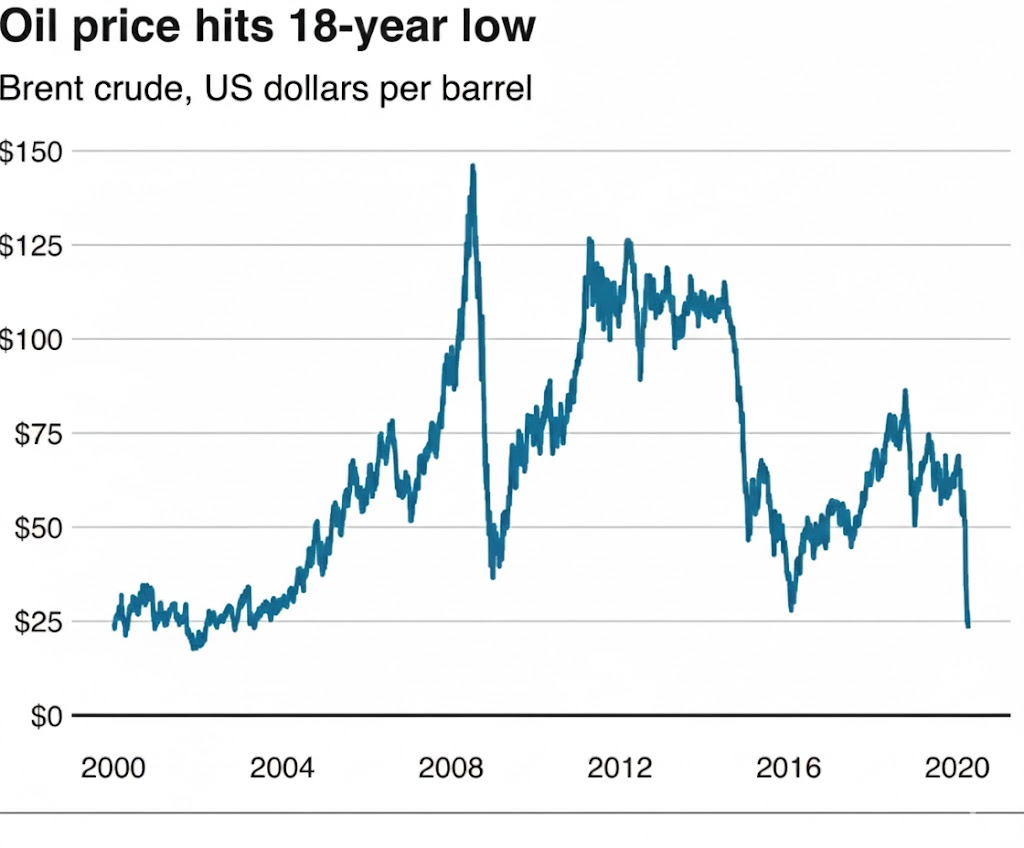
Oil prices retreat slightly as Russia–Ukraine tensions rise also because many investors think the market is still oversupplied. Analysts say that strong production from the United States and other big players has removed much of the old “geopolitical premium” from crude. In other words, headlines about war and missiles no longer move prices as sharply as they did when oil traded above 100 dollars a barrel.
Instead, traders are watching economic data and demand signals. Slower global growth, high interest rates, and cautious spending from consumers all reduce fuel demand expectations. So even when news is scary and oil prices retreat slightly as Russia–Ukraine tensions rise, many market players still doubt that a lasting price spike is coming soon. This tug of war between risk and fundamentals is what keeps oil stuck in a choppy band.
What oil prices retreat slightly as Russia–Ukraine tensions rise means for consumers
For drivers and households, the fact that oil prices retreat slightly as Russia–Ukraine tensions rise is a small relief, but the story is not over. If crude stays near current levels, petrol and diesel prices may not see a sudden surge, though local taxes and currency moves can still change final pump costs.
However, if tensions in Russia–Ukraine or the Middle East suddenly escalate into real supply disruptions, the situation can change quickly. A large cut in exports, a hit on pipelines, or trouble in key shipping lanes could reverse the current trend where oil prices retreat slightly as Russia–Ukraine tensions rise and push the market sharply higher. That is why many analysts advise governments and companies to stay prepared, even when daily moves look calm.
How you can follow oil prices retreat slightly as Russia–Ukraine tensions rise
If you run a business, trade energy, or simply care about fuel costs, it is smart to track how oil prices retreat slightly as Russia–Ukraine tensions rise and then move again on new headlines. You can:
- Monitor daily Brent and WTI prices on trusted financial news sites.
- Follow updates on Russia–Ukraine talks and Middle East developments.
- Read analysis on supply‑demand trends and OPEC+ policy.
Conclusion: oil prices retreat slightly as Russia–Ukraine tensions rise, but risks stay in play
Overall, oil prices retreat slightly as Russia–Ukraine tensions rise because traders are taking profit after a strong rally while still watching the risk of disruption. Supply remains ample, yet accusations between Moscow and Kyiv, airstrikes in Yemen, and warnings from Washington about Iran and Hamas keep the market nervous.
For now, the base case is a choppy market where oil prices retreat slightly as Russia–Ukraine tensions rise, then bounce on the next round of headlines. As long as conflicts do not turn into major physical supply cuts, prices may stay in this tight band—but if they do, the calm can break very fast.