New Year 2026 celebrations worldwide
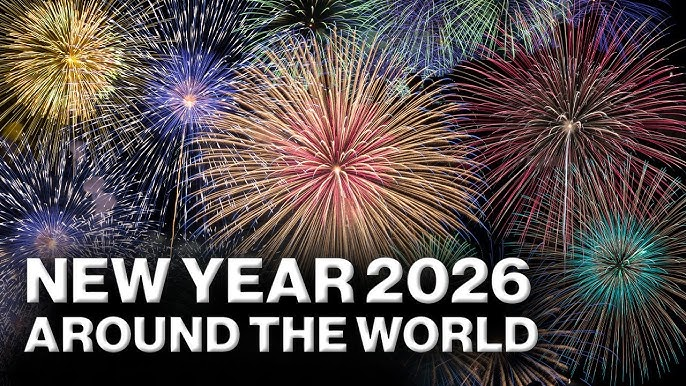
New Year 2026 celebrations started as the clock struck midnight in the Pacific and then moved across Asia, Europe, Africa and the Americas. From early fireworks in Auckland to late-night parties in New York, people came together to welcome the new year with colour, lights and music.
New Year 2026 celebrations were visible in every time zone as crowds filled public squares, beaches and riverfronts. Many cities used the night to send messages of hope after a year marked by wars, political tension and economic worries.

Iconic fireworks and city skylines
In Auckland, New Year 2026 celebrations began with a bright fireworks show from the Sky Tower, which drew thousands of people despite rain. The five-minute display launched thousands of fireworks from different levels of the tower, turning the skyline into a glowing scene.
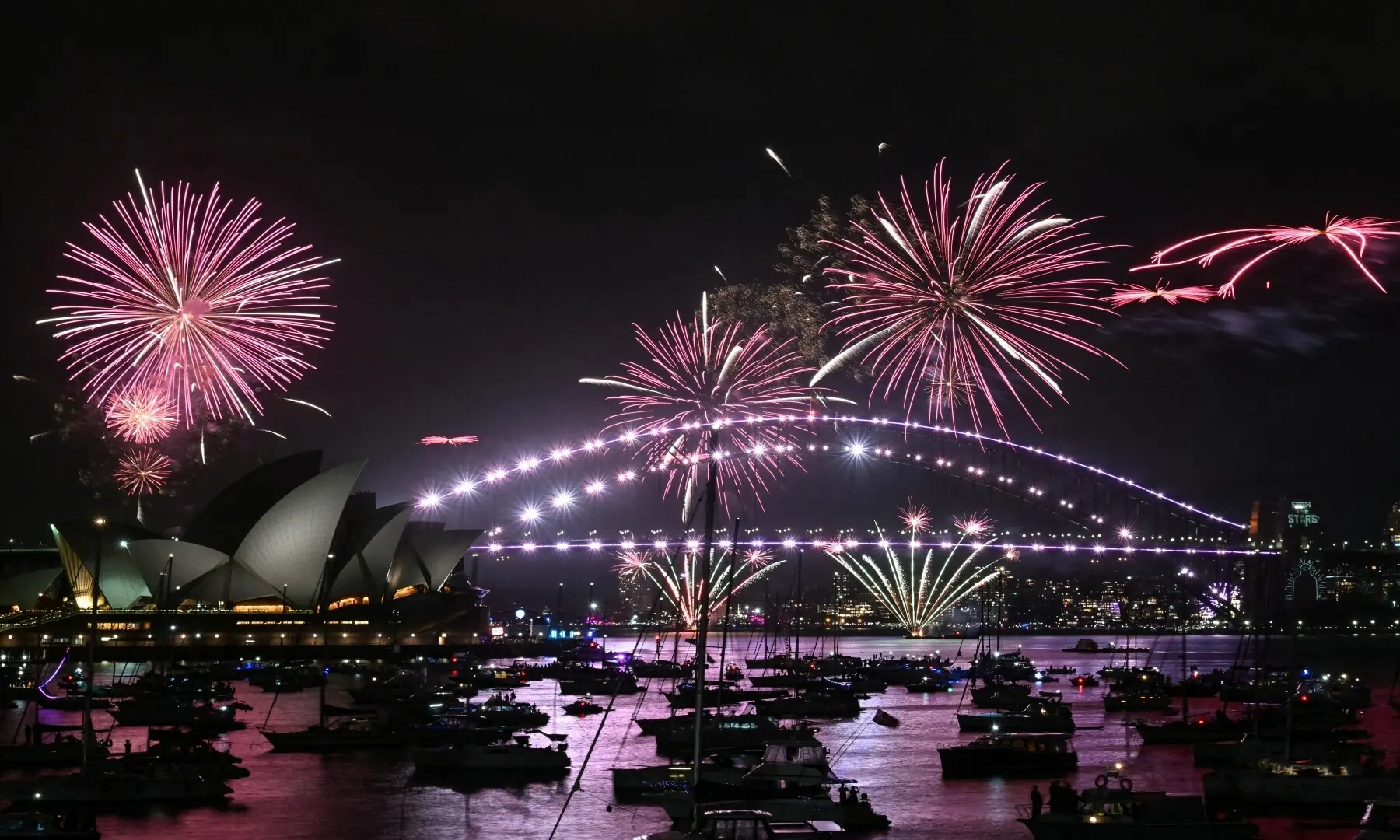
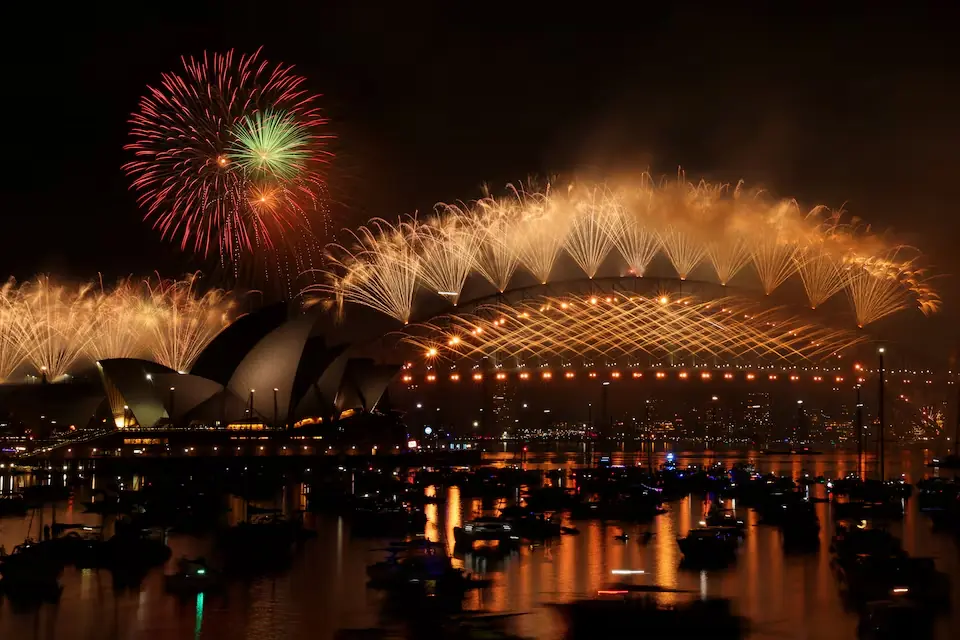
Sydney followed with its famous fireworks over the Harbour Bridge and Opera House as boats filled the water to watch the show. In Bangkok and other Asian capitals, fireworks and concerts created a festive mood even as many people remained worried about regional conflicts and economic pressure.
In Paris, the Arc de Triomphe lit up with projection lights and fireworks as people gathered along the Champs-Élysées. At the Eiffel Tower, champagne and music marked New Year 2026 celebrations, giving a sense of unity to both locals and tourists.
New Year 2026 celebrations in the Americas
In Rio de Janeiro, more than two million people were expected on Copacabana Beach for what is often called the world’s biggest New Year’s Eve party. Authorities planned the largest firework display ever for the city, with music and shows along the shoreline.
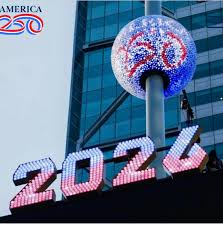
In New York, thousands braved freezing temperatures and tight security to see the traditional ball drop in Times Square. New Year 2026 celebrations there included live performances, countdowns on giant screens and a shower of confetti at midnight.
Across the United States, landmarks such as the Washington Monument lit up to mark both the new year and the start of America’s 250th birthday celebration year. Smaller towns and communities held their own events, from church gatherings to family barbecues and local concerts.
A year of conflict, hope and reflection
While fireworks filled the skies, leaders used their New Year messages to speak about conflict and peace. In Russia, President Vladimir Putin repeated that his country believes it will win the war in Ukraine during a New Year’s Eve address, showing how deeply that conflict continues to shape global politics.
In other speeches, leaders talked about economic recovery, new technology and climate change, asking people to stay hopeful despite serious challenges. Chinese President Xi Jinping, for example, highlighted progress in artificial intelligence and semiconductors while repeating firm language on Taiwan.
At the same time, many people in war zones and crisis areas could not enjoy large New Year 2026 celebrations. In Gaza, displaced families warned that new restrictions on aid groups could make their lives even harder in the new year, turning a global night of joy into a day of fear and uncertainty for them.
Traditions, travel and local gatherings
New Year 2026 celebrations were not only about big city fireworks; they also took place in homes, local streets and religious centres. Families met for dinner, exchanged gifts and made prayers or wishes for health and peace in the coming year.
Tourism boards in many countries promoted special events, concerts and light shows to attract visitors. Hotels, restaurants and travel agencies used package deals and social media campaigns to draw people to famous celebration spots, helping local economies as they recover from recent global shocks.
In some places, bad weather forced the cancellation of smaller outdoor events, especially in parts of New Zealand’s North Island. However, larger shows in main cities still went ahead, proving how important New Year 2026 celebrations are for local pride and identity.