Lee’s difficult game between China, Japan and the United States
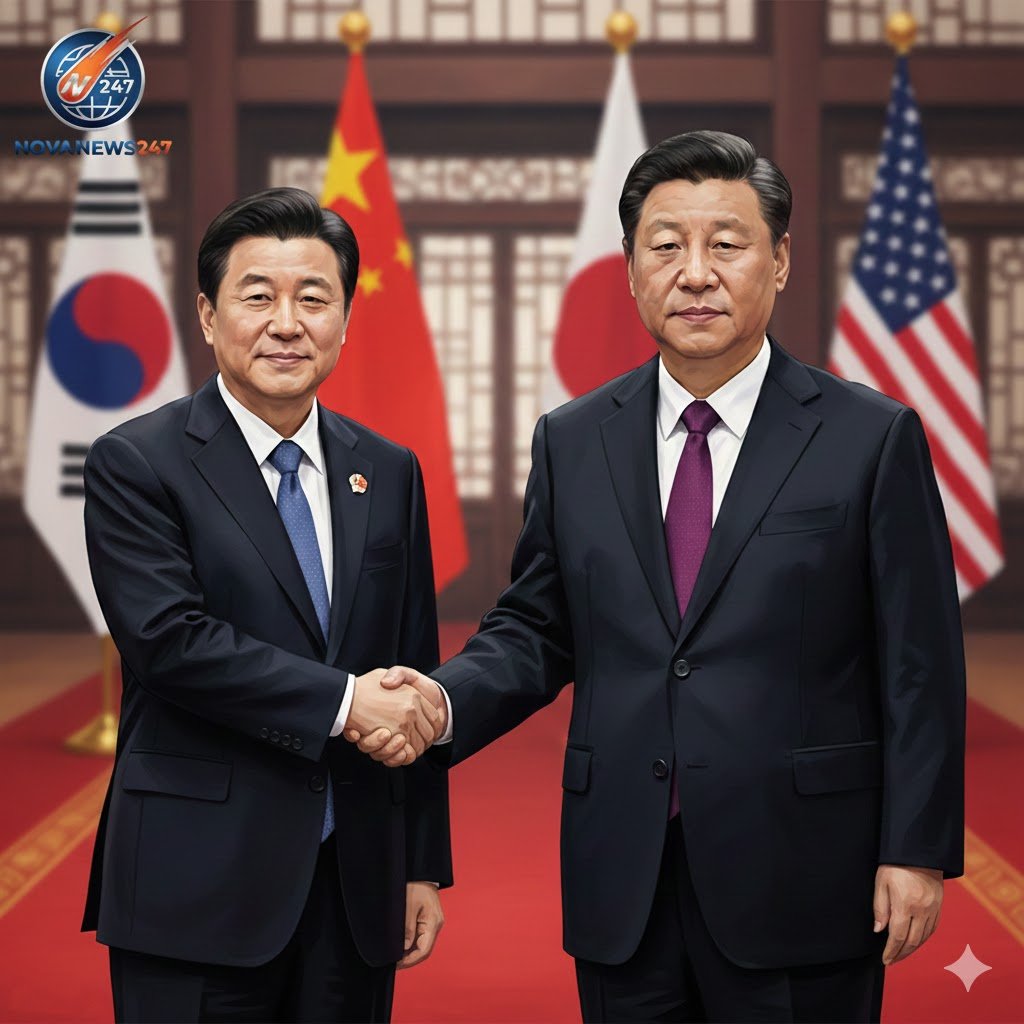
Lee’s difficult game between China, Japan and the United States starts with his first state visit to Beijing, the first visit of a South Korean president to China since 2017. He wants to “fully restore” relations with China in 2026 but also keep South Korea close to the United States and build better ties with Japan.
This delicate strategy is happening while tensions are rising over North Korea’s nuclear program, China–Japan rivalry, and the future of Taiwan. In this blog, the focus is on why Lee’s diplomacy is so hard, what he did in Beijing, and what this means for Asia and the world.
Lee’s visit to China
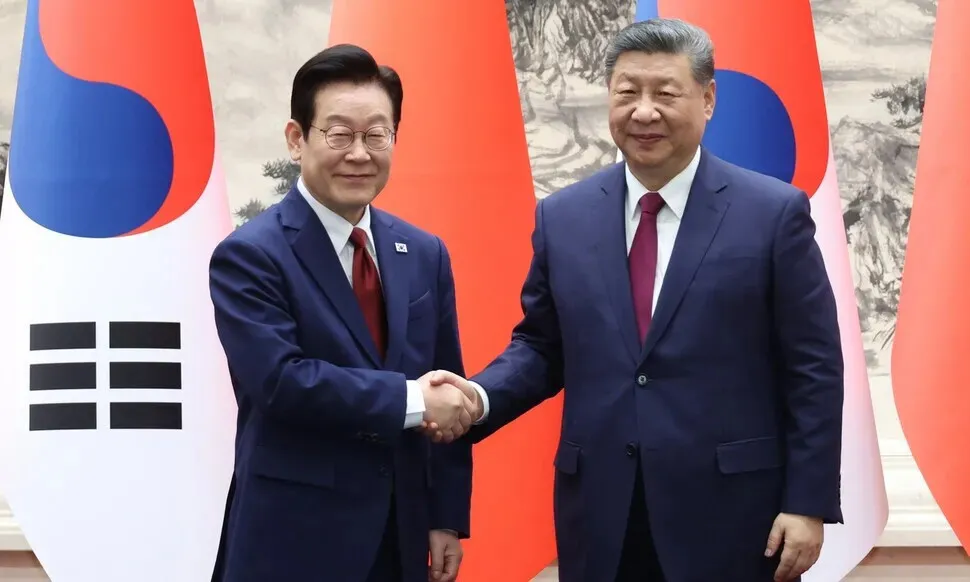
South Korean President Lee Jae‑myung visited Beijing between 4 and 7 January, calling 2026 “the year of the full restoration of Seoul‑Beijing relations.” It was a highly symbolic trip because relations had been cold for years, especially under former president Yoon Suk‑yeol, who leaned more clearly towards Washington.
- Lee met Chinese President Xi Jinping and spoke about opening a “new phase” of relations.
- He took with him a large business delegation of around 400 South Korean executives, showing the economic importance of China for South Korea.
- The visit came at a time when Japanese business trips to China were being delayed due to rising tensions between Beijing and Tokyo.
China’s goals and rare earth deals
For China, Lee’s difficult game between China, Japan and the United States is also an opportunity. Beijing wants to reduce US influence in the region and drive a wedge between South Korea and Japan, both of which are American allies.
During the visit, South Korean companies signed economic agreements with China, especially in areas like rare earths and strategic minerals that are vital for advanced industries. These resources are important for electric vehicles, batteries, and high‑tech manufacturing, areas where South Korea is a global player and China is a key supplier.
- China benefits by keeping South Korea economically close and dependent on Chinese supply chains.
- South Korea gains access to important materials but risks being pulled away from US‑led efforts to reduce reliance on China.
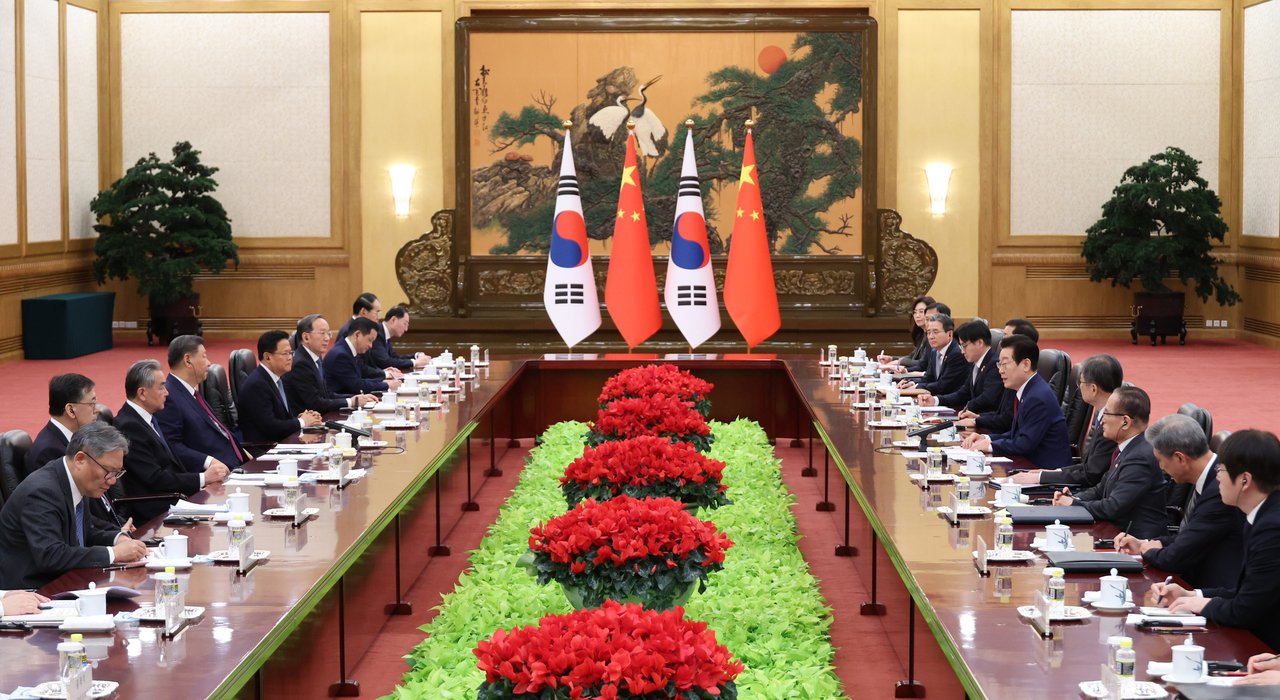
This economic angle makes Lee’s difficult game between China, Japan and the United States even more complex, because every trade deal has strategic meaning in today’s geopolitics.
History, Japan, and the “right side of history”
Another key part of Lee’s difficult game between China, Japan and the United States is how China uses historical memory to shape today’s politics. Xi Jinping reminded Lee that China and Korea fought together against “Japanese militarist aggression” in the past, and he urged South Korea to stand on the “right side of history.”
Lee responded by praising China’s efforts to preserve sites linked to Korea’s independence movement from Japanese rule, underlining shared historical suffering. This fits China’s strategy of using history to create distance between South Korea and Japan, just as the United States is trying to bring its two allies closer together.
- Lee plans to visit Tokyo after Beijing, showing that he still wants better relations with Japan despite this historical pressure.
- China, however, announced new export controls on Japan shortly after the summit with Lee, sending a clear message of displeasure with Tokyo.
For Lee, this means that every word about the past can affect today’s security partnerships, deepening his difficult game between China, Japan and the United States.
The US alliance and regional security
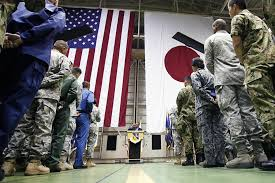
Even while warming ties with China, Lee’s difficult game between China, Japan and the United States cannot ignore the central role of Washington. South Korea depends on the US for security guarantees, especially against North Korea’s growing nuclear and missile capabilities.
Lee has promised to strengthen the alliance with the United States without turning China into an enemy, trying to find a middle path. This is not easy when Washington and Beijing increasingly see each other as strategic rivals in technology, security, and influence in Asia.
- The US wants South Korea to join more strongly in efforts to contain China, including cooperation with Japan.
- China wants South Korea to avoid such alignment and to keep some strategic distance from Washington and Tokyo.
This tug‑of‑war is at the heart of Lee’s difficult game between China, Japan and the United States, because any move towards one side creates fear and suspicion on the other.
North Korea and the risk of miscalculation
North Korea is another major factor in Lee’s difficult game between China, Japan and the United States. Lee hopes that better ties with China will help put pressure on Pyongyang to slow or stop its nuclear program, since Beijing is still one of North Korea’s main supporters along with Russia.
However, the AsiaNews analysis notes that China avoided clear language about denuclearisation during the visit, and it is unclear how much real influence Beijing still has over Kim Jong‑un. At the same time, the risk on the Korean peninsula may be less about a planned war and more about miscalculation.
- A small military move, a misunderstood signal, or an unannounced exercise could be seen by North Korea as the start of a larger attack.
- In such a tense environment, Lee’s difficult game between China, Japan and the United States becomes even more dangerous, because misunderstanding between any of the players could quickly escalate.
Lee needs China’s cooperation on North Korea, the US for deterrence, and Japan for regional coordination, which makes his balancing act even more fragile.
One‑China principle and Taiwan question
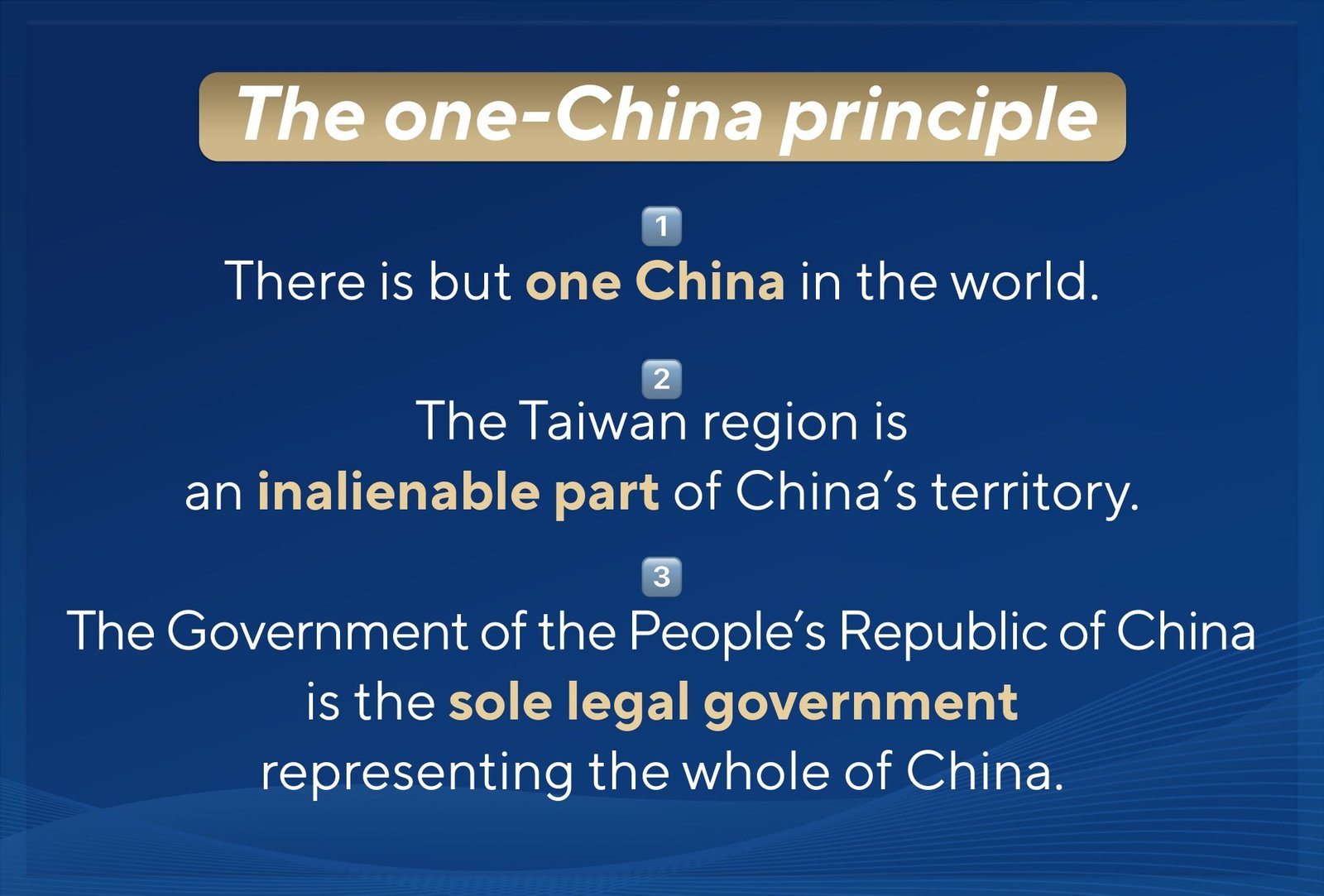
A sensitive part of Lee’s difficult game between China, Japan and the United States is the Taiwan question. Lee confirmed that South Korea respects the “one China” principle and takes China’s “fundamental interests and main concerns” into account.
This is a change from his predecessor Yoon, who was more vocal about supporting Taiwan and criticizing Chinese ambitions, leading to stronger reactions from Beijing. At the same time, Japan’s prime minister has made comments suggesting that Japan could consider stronger military action if China attacked Taiwan, sharply raising tensions between Beijing and Tokyo.
- By softening his stance on Taiwan, Lee hopes to avoid a clash with China while still keeping quiet coordination with the United States and Japan.
- But this softer tone also increases the perception in Washington and Tokyo that Seoul may be drifting closer to Beijing.
This shows again how every choice in Lee’s difficult game between China, Japan and the United States has costs, either with allies or with China.
Shrinking space for middle ground
The broader regional context makes Lee’s difficult game between China, Japan and the United States even harder. Asia is seeing greater polarisation, with the US and its allies on one side and China and its partners on the other, leaving less room for neutral or flexible positions.
AsiaNews notes that the space for a true “middle ground” is shrinking, and the choices Lee makes in the coming months will probably not satisfy both Washington and Beijing at the same time. Economic cooperation with China may anger US policymakers, while closer security ties with the US and Japan may trigger economic or political retaliation from China.
In this tight environment, Lee’s difficult game between China, Japan and the United States is not just about traditional diplomacy, but about managing constant trade‑offs between security, trade, history, and national pride.
What Lee’s strategy means for the future
Looking ahead, Lee’s difficult game between China, Japan and the United States will shape South Korea’s role as a middle power in East Asia. If he succeeds, South Korea could act as a bridge between rival camps, gain economic benefits from both sides, and play a larger diplomatic role on issues like North Korea.
If he fails, Seoul could face greater pressure from both China and the United States, lose trust from Japan, and see more instability around the Korean peninsula. For now, the Beijing visit is a sign of diplomatic thaw, but it does not solve the big strategic questions that still remain open.
To follow developments in Lee’s difficult game between China, Japan and the United States, readers can also check detailed reports by outlets like BBC News or NBC News, which track each step of this evolving regional story. You can add internal links on your site to related stories about US–China competition, Japan–China tensions, and North Korea to help users explore the full picture.