Japan US missile cooperation: what is happening?
Japan US missile cooperation is entering a new phase as both countries agree to expand joint defence production, military drills, and security ties in Asia. The move comes at a time when tensions with China are rising, especially over Taiwan and control of key sea routes in the region.
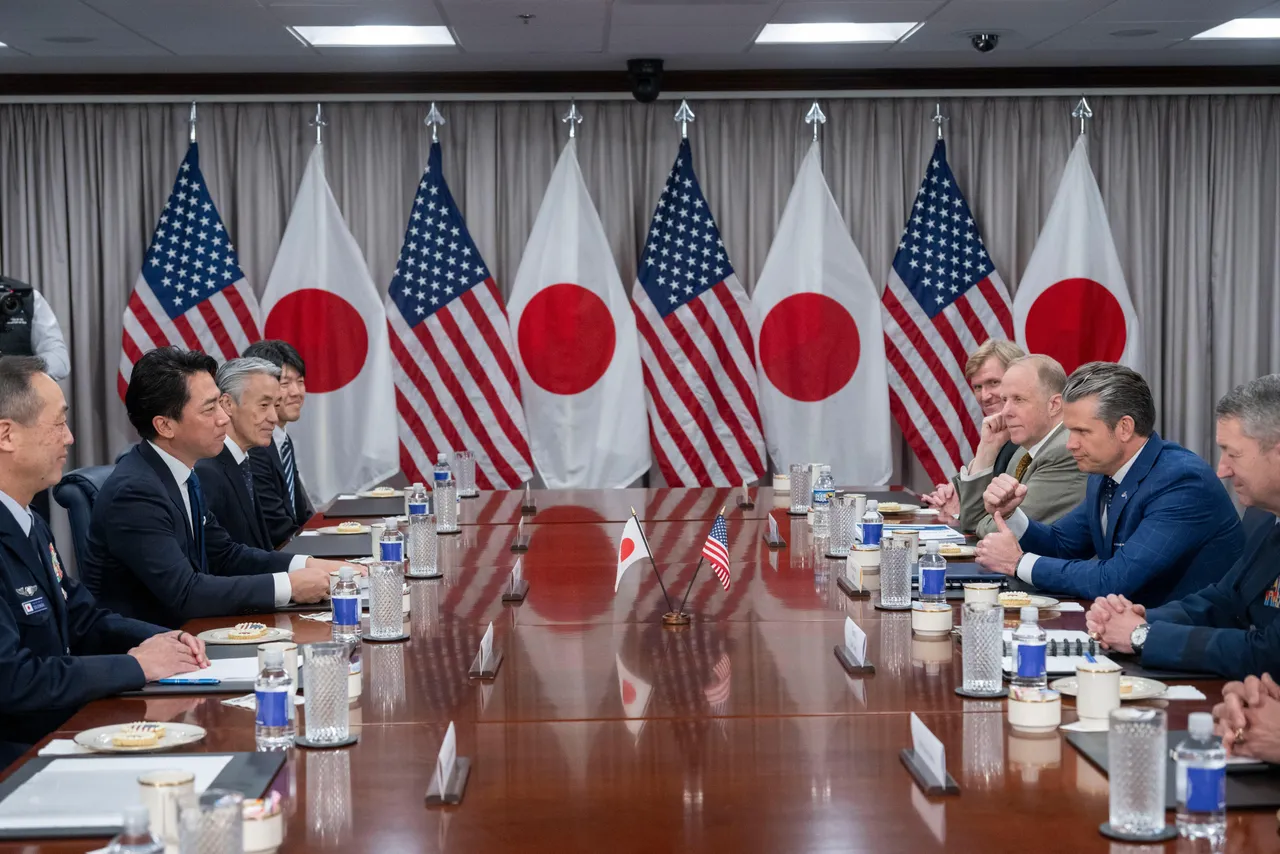
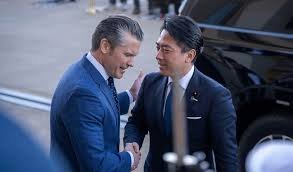
Japanese Defence Minister Shinjiro Koizumi met US Defense Secretary Pete Hegseth in Washington and confirmed that the alliance remains “absolutely unwavering” in the face of a tougher security environment. Their meeting highlighted how Japan US missile cooperation is now directly linked to broader economic and strategic issues, including rare earth supplies and high-tech supply chains.
Why Japan and the US are expanding missile cooperation
Japan US missile cooperation is being strengthened for several important reasons that connect military power, regional security, and technology.
- Japan faces growing pressure from China around its territory and in nearby waters, including areas close to Taiwan and the East China Sea.
- China reacted angrily after Japanese Prime Minister Sanae Takaichi suggested that Japan could intervene militarily if China attacks Taiwan, sparking a heated diplomatic dispute.
- In response, Beijing blocked exports of certain “dual‑use” items to Japan, which can be used for both civilian and military purposes, raising fears in Tokyo about access to rare earths and critical materials.
- Japan US missile cooperation is therefore seen as a way to both deter military threats and reduce dependence on China in key sectors such as defence technology and advanced manufacturing.
By expanding Japan US missile cooperation, both sides want to send a clear signal that they will stand together in the region and protect their shared interests.
Details of the new missile and defence plans
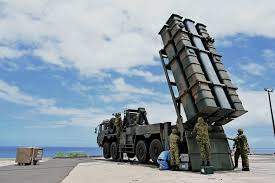
The latest agreement adds concrete steps to Japan US missile cooperation on the ground, at sea, and in defence factories.
- Tokyo and Washington agreed to advance joint production of air‑to‑air missiles and surface‑to‑air interceptors that can defend against enemy aircraft and missiles.
- The two countries will expand “more sophisticated and practical joint drills” in several locations, especially in Japan’s Southwest region.
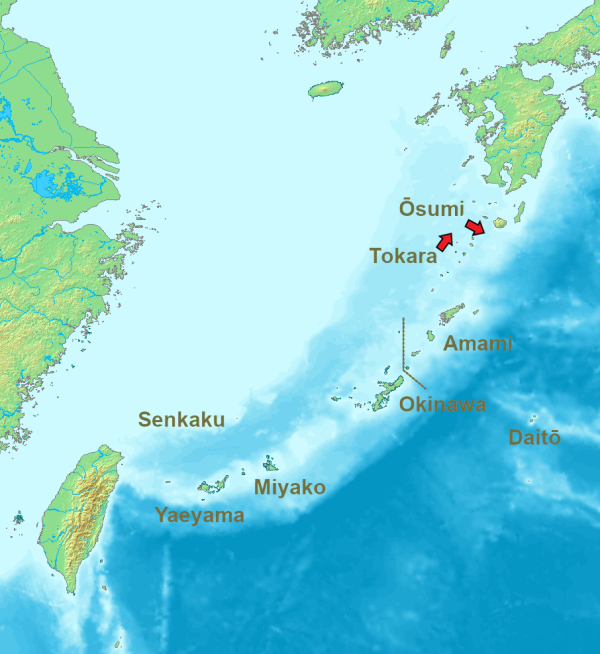
- Japan US missile cooperation will be visible around Okinawa, where most American military bases in Japan are already located and which acts as a key outpost for watching China, the Taiwan Strait, and the Korean Peninsula.
- The allies will also work together on supply chains for defence equipment and critical minerals so that production is less vulnerable to any Chinese export restrictions.
These steps show that Japan US missile cooperation is not only about buying weapons but also about building shared capacity to produce, train, and respond quickly in a crisis.
Okinawa and the strategic “Southwest” region
The “Southwest” region of Japan, including Okinawa and nearby islands, is at the heart of Japan US missile cooperation and regional security planning.
- Okinawa hosts the vast majority of US military bases in Japan, making it a forward base to monitor China’s activities, the Taiwan Strait, and North Korea’s missile launches.
- For Tokyo, beefing up defence in this subtropical island chain is now a top priority because any conflict over Taiwan or nearby sea lanes would likely involve this area.
- Japan US missile cooperation in the Southwest region includes more joint drills, better coordination between Japanese Self‑Defense Forces and US troops, and faster deployment abilities.
This focus on Okinawa shows how geography shapes Japan US missile cooperation and why both sides see this island chain as essential for deterrence.
Japan’s record defence budget and ‘hard‑nosed realism’
Japan US missile cooperation is also supported by big changes inside Japan, especially in defence spending and strategic thinking.
- In December, the Takaichi government approved a record defence budget of nine trillion yen for the next fiscal year, continuing a trend of rising military expenditure.
- US Defense Secretary Pete Hegseth praised this decision as “hard‑nosed realism” and a “practical, common‑sense approach” that connects the vital national interests of both countries.
- Japan US missile cooperation fits into a broader plan for Japan to play a more active security role while still working closely with the United States.
This new posture suggests that Japan is moving away from its traditional, more limited defence role towards a stronger and more forward‑leaning security policy.
Rare earths and supply chains: a hidden side of the alliance
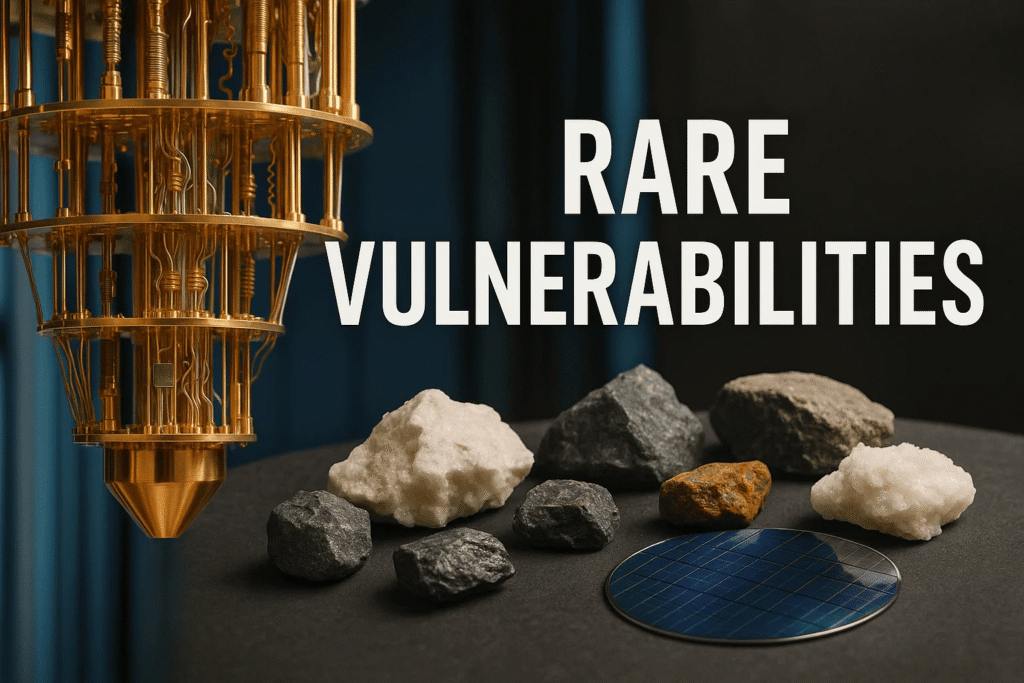
A key but sometimes hidden part of Japan US missile cooperation involves rare earths and strategic minerals that are crucial for modern weapons, electronics, and green technologies.
- China currently dominates global rare earth supplies, and Japan imports a large share of these materials from Chinese producers, creating a major vulnerability.
- After the recent diplomatic clash, Beijing restricted exports of certain dual‑use items to Japan and signalled that more controls on rare earth‑related products could follow.
- In response, Tokyo and Washington are working together on joint projects, including new rare earth mining and processing efforts in areas under Japanese jurisdiction, to secure future supplies.
Japan US missile cooperation therefore goes beyond missiles and bases; it also covers the raw materials and industrial base needed to sustain advanced defence systems.
For more background on efforts to diversify rare earth supplies, readers can check specialised coverage on strategic minerals and supply chains from outlets such as Investment Monitor and other industry‑focused platforms.
How China is reacting to Japan US missile cooperation
China views Japan US missile cooperation with growing concern and has already started to respond through both diplomatic and economic channels.
- Chinese officials strongly criticised Prime Minister Takaichi’s comments on Taiwan, framing them as a threat to China’s sovereignty and a justification for “defensive” trade measures.
- The export controls on dual‑use items to Japan are widely seen as a signal that Beijing is willing to use its leverage over rare earths and other strategic goods in political disputes.
- At the same time, China accuses Washington of trying to build blocs and alliances aimed at containing its rise, pointing to Japan US missile cooperation as part of a wider US strategy in the Indo‑Pacific.
This tense dynamic suggests that any further moves in Japan US missile cooperation, especially near Taiwan or in the South China Sea, will be closely watched in Beijing.
What Japan US missile cooperation means for Asia
Japan US missile cooperation will shape Asia’s security landscape in several ways that affect not only the three main players but also smaller countries in the region.
- Supporters argue that stronger Japan US missile cooperation helps deter conflict by raising the cost of any potential attack on Japan, Taiwan, or US forces in the region.
- Critics fear that more military drills, missile deployments, and rare earth tensions could feed an arms race and make crises harder to manage.
- Many Southeast Asian states are trying to balance between their economic ties with China and their security partnerships with the US and its allies, making them sensitive to any escalation.
In this context, Japan US missile cooperation is both a shield and a potential source of friction, depending on how all sides handle diplomacy and communication.
Human angle: leaders, workouts, and alliance messages
The story of Japan US missile cooperation also has a more human and symbolic side that leaders use to send messages to both domestic and international audiences.
- Before their formal talks, Koizumi and Hegseth held a joint morning workout at a military gym, a gesture meant to show personal rapport and shared commitment.
- Koizumi later wrote on X that the American military‑style training was tough, but he pushed through by telling himself that it was “for the sake of strengthening the Japan‑US alliance”.
- Such images and personal stories are part of how governments sell Japan US missile cooperation to their own citizens and underline that the alliance is not only transactional but also built on shared values and trust.
These softer elements help give a public face to policies that can otherwise seem purely technical or strategic.
Outlook: the future of Japan US missile cooperation
Looking ahead, Japan US missile cooperation is likely to deepen further as technology advances and regional tensions continue.
- Both countries are expected to keep investing in new missile systems, integrated air and missile defence, and joint training in sensitive areas like the Southwest islands and near key sea lanes.
- Efforts to secure rare earths and diversify supply chains will remain a core part of the alliance, linking economic security and defence in a single strategy.
- Diplomacy with China will still be crucial, because even as Japan US missile cooperation grows, all sides have a strong interest in avoiding open conflict in one of the world’s most important economic regions.
For readers who want to follow future developments, keeping an eye on official statements from Japan’s defence ministry, the US Department of Defense, and regional news outlets such as TRT World will be important.