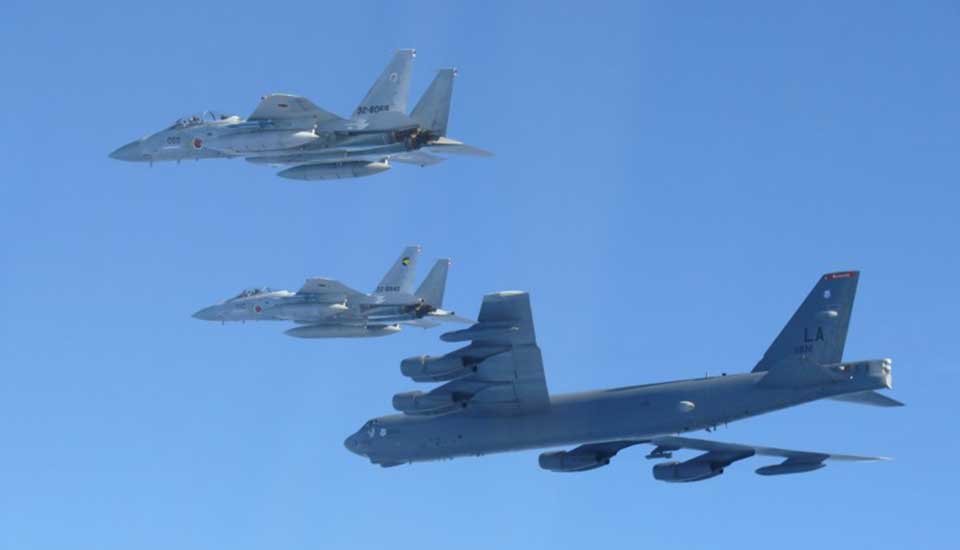
Japan US Joint Military Drills Over Sea of Japan
Japan US Joint Military Drills over the Sea of Japan highlight how closely both allies are coordinating in response to rising tensions in East Asia and growing concern over China’s military activity. These exercises are designed to show preparedness, deterrence, and unity at a time when regional security is becoming more complex and contested.
Why Japan US Joint Military Drills Matter
Japan US joint military drills matter because they send a clear signal that both countries are willing to act together to protect shared interests and defend key sea lanes. For Japan, these exercises also support its recent shift toward a more proactive defense posture, including increased spending and closer coordination with partners.
The Sea of Japan and surrounding waters are crucial for trade routes, energy supplies, and regional stability, so any coordinated drills there carry strong strategic weight. Regular training helps both militaries improve interoperability, communication, and response time in case of an actual crisis.

Regional Tensions and China’s Growing Role
These Japan US joint military drills come at a time when China has been expanding its naval and air presence around the region, including near Japan’s airspace and waters. Flights by military aircraft, maritime patrols, and activities near disputed areas have raised concerns in Tokyo and Washington.
By conducting visible drills, Japan and the United States aim to deter aggressive moves and reassure other partners that they are committed to keeping the Indo-Pacific open and stable. This kind of signaling is a key part of modern deterrence and is often used alongside diplomatic efforts and economic measures.
Japan’s Evolving Defense Strategy
In recent years, Japan has updated its security strategy to address new threats such as missile technology, cyberattacks, and gray-zone activities around its islands. The government has approved higher defense budgets, new capabilities, and stronger ties with partners like the US, Australia, and other regional democracies.
Japan US joint military drills support this strategy by giving Japanese forces more realistic training with advanced American platforms, systems, and doctrines. These exercises also help Japan prepare to defend remote islands and protect critical sea lines of communication.

The US Perspective on Joint Drills
For the United States, Japan US joint military drills are part of a broader network of alliances that support its Indo-Pacific strategy. Training in and around the Sea of Japan allows US forces to familiarize themselves with the local environment and work seamlessly with Japanese units.
The drills also show other regional partners that Washington is not withdrawing from Asia but is instead deepening its commitments and presence. This is important for maintaining credibility, especially when other powers try to test the limits of US influence.
Types of Activities in Japan US Joint Military Drills
Japan US joint military drills typically include a mix of air, sea, and sometimes land components, depending on the scenario. Fighter jets, patrol aircraft, destroyers, and other assets may practice formation maneuvers, communications, and coordinated targeting.
Other drills can involve anti-submarine warfare, missile defense simulations, search and rescue, and logistics operations, all of which build real-world cooperation between the two forces. Such comprehensive training ensures that both sides are ready to respond quickly to anything from humanitarian crises to high-intensity conflict.
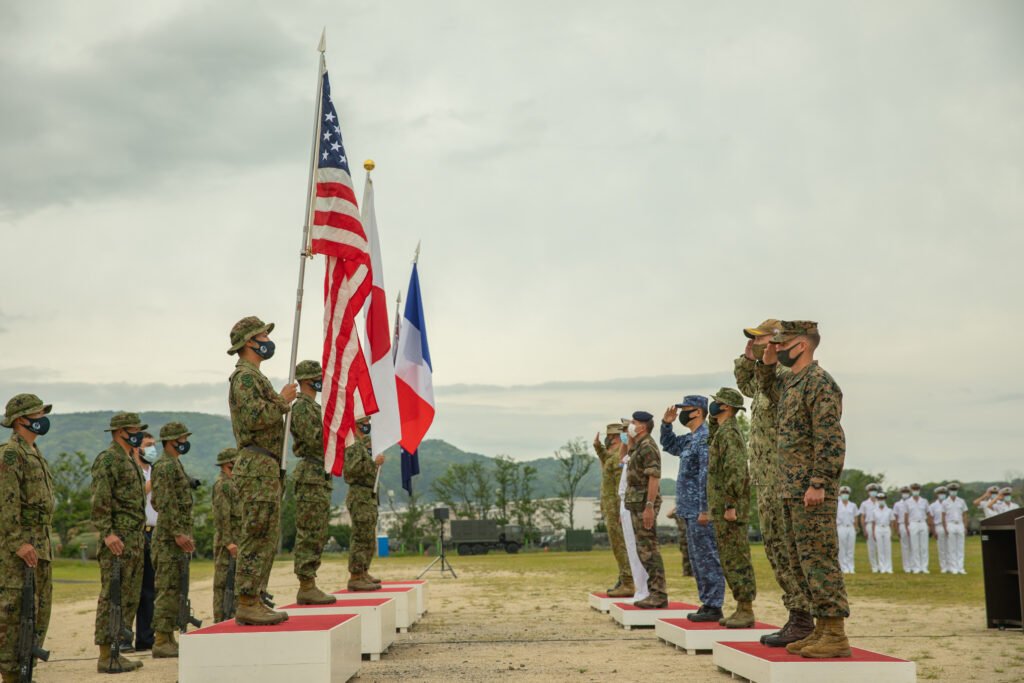
Impact on Neighboring Countries
Japan US joint military drills are closely watched by neighboring countries, especially North Korea and China, which often criticize such exercises as provocative. However, Japan and the US argue that these drills are defensive and aimed at preserving stability, not creating new tensions.
For other regional partners and smaller states, the drills can be reassuring because they show that major democracies are willing to invest in security and deterrence. This reassurance is important for countries that rely on open sea lanes and predictable regional behavior for their economies.
How Japan US Joint Military Drills Support Deterrence
Deterrence depends on capability, communication, and credibility, and Japan US joint military drills support all three pillars. Capability is strengthened through realistic training and combined operations that make both militaries more effective as a team.
Communication happens when both countries publicly describe the purpose of the drills, explaining that they aim to protect international norms and maritime law. Credibility is reinforced by the visible presence of ships, aircraft, and personnel working together on a regular basis.
Role of International Law and Freedom of Navigation
These Japan US joint military drills also connect to broader principles like freedom of navigation and respect for international law. Both countries regularly emphasize that all states, large or small, should be able to use international waters and airspace without coercion.
Exercises in areas like the Sea of Japan help underline this message by demonstrating that allies will operate wherever international law allows, regardless of pressure from other powers. This stance is important for maintaining a rules-based international order in the Indo-Pacific.
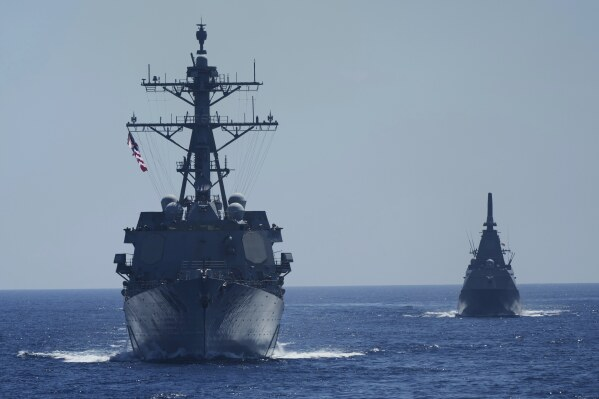
Future Outlook for Japan US Joint Military Drills
Looking ahead, Japan US joint military drills are likely to become more frequent, more complex, and more closely integrated with other partners such as South Korea and Australia. New technologies like unmanned systems, advanced sensors, and cyber tools will probably take a larger role in these exercises.
As regional tensions evolve, both countries will adjust scenarios to reflect potential new challenges, from missile threats to hybrid tactics and information warfare. The overall goal will remain the same: to deter conflict, protect trade routes, and uphold a stable balance of power in East Asia.