
Japan 40-Year Bond Yield Hits Record 4% After Snap Election Call
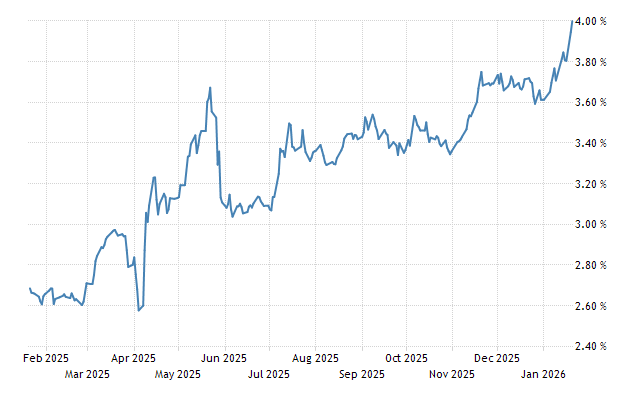
Japan 40-year bond yield has jumped to a record 4% after Prime Minister Sanae Takaichi called a snap election, shocking markets and raising fresh fears about Japan’s fiscal future. This big move in long-term Japanese government bonds (JGBs) shows how sensitive investors are to tax and spending plans in the world’s third-largest economy.
The record move in this ultra-long yield also signals that traders expect higher borrowing costs and more risk for the government budget in the coming years. For many years, Japan was known for very low or even near-zero bond yields, but this latest spike suggests that period may be ending.
What Is the Japan 40-Year Bond?
The 40-year JGB is an ultra-long government bond that Japan issues to borrow money for four decades. When the return on this bond rises, it means investors are demanding higher compensation because they see more risk, more inflation, or more future bond supply.
This maturity is watched closely because it reflects long‑term confidence in Japan’s economy and public finances. A record high yield on the 40-year issue is a clear sign that markets are rethinking how safe and cheap it is for Japan to keep borrowing so much for so long.
Why Did the Yield Hit 4%?
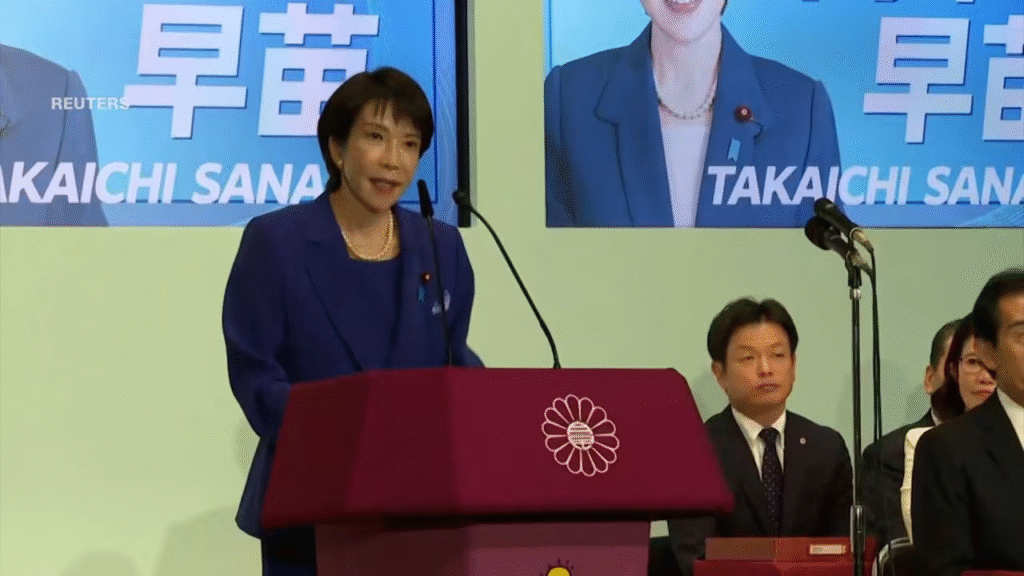
The key trigger for the jump in the 40-year rate was Takaichi’s announcement of a snap election set for February 8. Her campaign is built around a new economic plan that includes a suspension or cut of the 8% food sales tax, which worries investors about a deeper fiscal gap.
If Japan cuts the food tax without fully replacing the lost revenue, the budget deficit could widen by an estimated trillions of yen each year. Investors expect this will force the government to issue more long‑term bonds, which naturally pushes ultra‑long yields higher as supply increases.
The Return of the “Takaichi Trade”
The sharp move in long-dated JGBs has brought back what analysts call the “Takaichi trade.” This pattern is usually defined by three moves: weaker bond prices (higher yields), a stronger Japanese stock market, and a volatile or weaker yen.
Analysts note that the current swing in super‑long maturities looks similar to the volatility seen in October, when markets first reacted to Takaichi’s signals of looser fiscal policy. At that time, yields spiked, the Nikkei index climbed, and the currency moved sharply as traders adjusted to the new policy mix.
Is Japan Facing a Fiscal Crisis?
The record level of long‑term borrowing costs has raised fears, but many experts say this is not yet a full-blown crisis. Strategists argue that part of the move is technical, linked to supply–demand imbalances in ultra‑long bonds and a repricing of term and risk premia rather than a sudden loss of trust in Japan itself.
Still, higher funding costs do make life harder for the government. Japan already has one of the largest public debt loads in the world, so every rise in yields increases future interest payments and eats into the national budget.
How the Bank of Japan Fits Into the Story
For years, the Bank of Japan (BOJ) kept rates very low with ultra‑easy policy and heavy JGB buying. As borrowing costs on very long bonds move higher, markets are testing how far the BOJ will go in allowing long-term rates to rise without stepping in more aggressively.

The Bank of Japan stands at the centre of the market reaction to this surge in yields. If the central bank lets the 40-year rate stay near or above 4%, investors may see this as confirmation that Japan is finally exiting its era of ultra‑low yields. But if volatility becomes too strong, there is always a chance that the BOJ could re‑enter the market to calm the selloff.
Impact on Investors and Global Markets
For global investors, a 4% return on Japan’s longest‑dated bond is a major change. Some long‑term players may find this level attractive compared to past years, when similar JGBs offered almost no return.
At the same time, higher Japanese yields can influence global risk appetite. If big domestic institutions shift money back home to take advantage of better returns, it could reduce their demand for foreign bonds and affect rates in other markets as well.
Conclusion:
In the end, the Japan 40-year bond yield hitting 4% shows how quickly market sentiment can change when politics and fiscal policy move together. For investors, this jump is a signal to watch Japan’s debt more closely, because changes in the Japan 40-year bond yield can now affect currencies, stocks, and global bond markets more than before.