Introduction
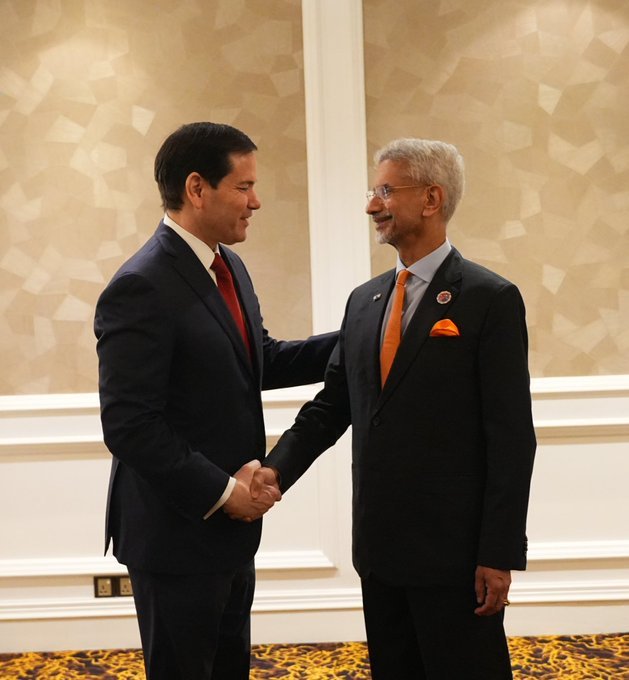
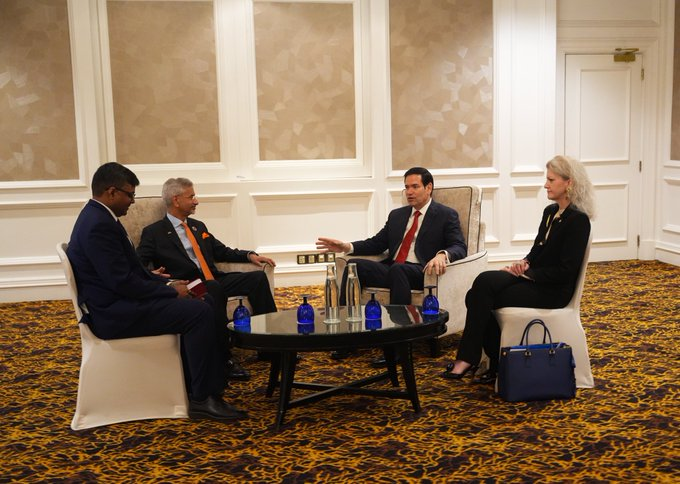
The Jaishankar Rubio meeting tariff tensions have become a defining moment in modern India-US relations. When India’s External Affairs Minister S. Jaishankar met U.S. Secretary of State Marco Rubio on the sidelines of the ASEAN Summit in Kuala Lumpur, the world paid attention. This meeting wasn’t just another diplomatic exchange — it was a conversation loaded with strategic implications, trade anxieties, and hopes for renewed cooperation between two of the world’s most influential democracies.
H2: Context of the Jaishankar Rubio Meeting Tariff Tensions
The Jaishankar Rubio meeting tariff tensions unfolded at a time when India-US economic ties were strained by Washington’s decision to impose higher tariffs on Indian exports. The United States cited India’s continued purchase of Russian oil as a trigger for trade restrictions. India, in response, defended its independent policy stance, saying its actions were based on national interest and energy security. (Times of India)
H3: Key Points from the Jaishankar Rubio Meeting Tariff Tensions
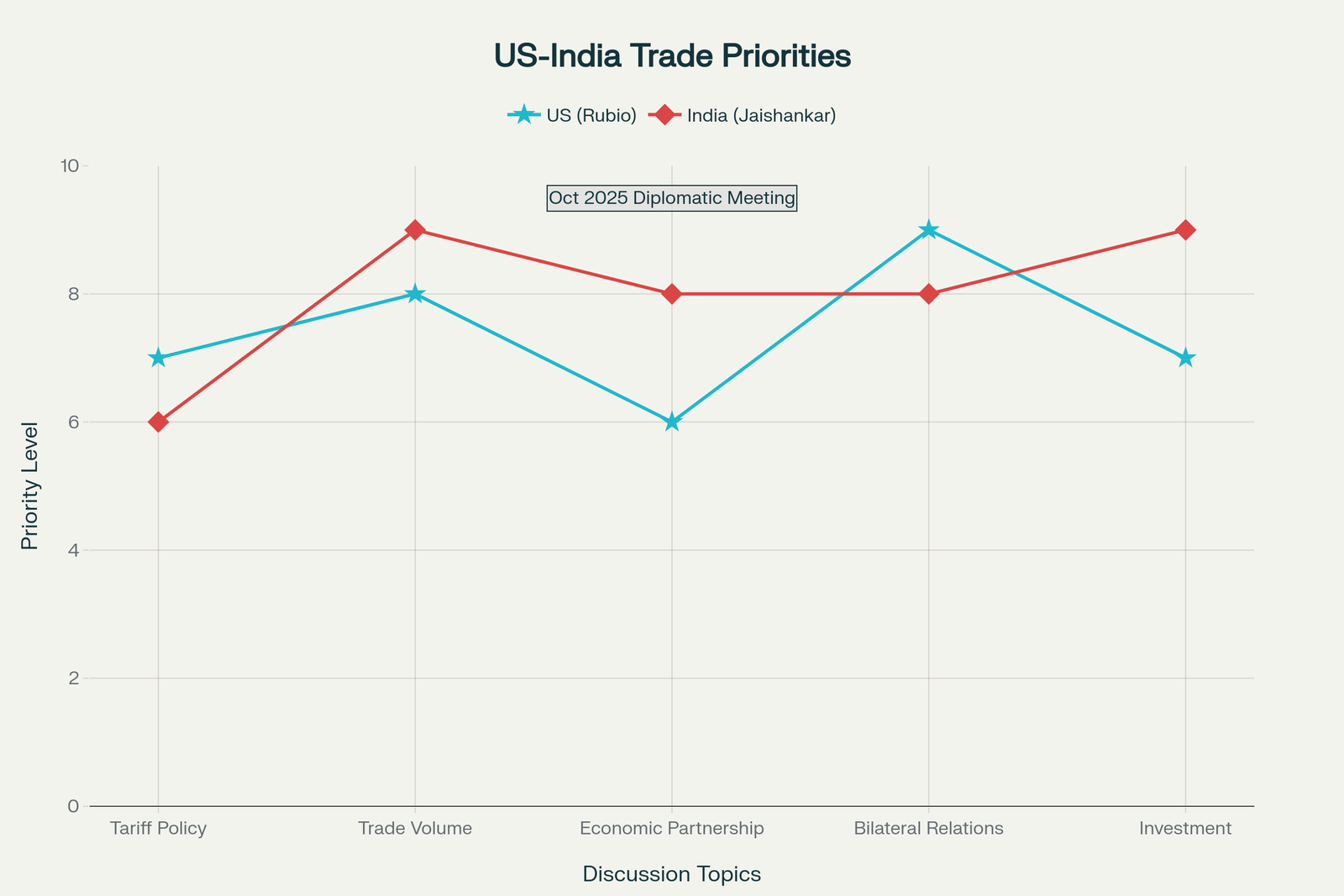
During their meeting, Jaishankar and Rubio discussed a wide range of issues — from trade and investment to regional security and supply-chain resilience. The Jaishankar Rubio meeting tariff tensions acted as a backdrop for dialogue, but both sides emphasised the importance of long-term stability over short-term gains.
Tariff Tensions in Detail
The tariff disputes stem from Washington’s decision to introduce duties of up to 50 per cent on certain Indian goods, a move India described as “unfair and unjustified.” (AA News) Despite these pressures, New Delhi remains committed to strategic autonomy and aims to balance economic partnerships across multiple global actors.
Strategic Implications for India
For India, the Jaishankar Rubio meeting tariff tensions highlight the balance between asserting national interests and maintaining stable international relations. Rather than reacting defensively, New Delhi is using the moment to underline its status as a confident global player capable of independent decision-making.
Strategic Implications for the U.S.
For the United States, the meeting signals a willingness to re-engage with India despite the tariff clash. Rubio’s outreach indicates that Washington recognises India’s strategic value — not just as a trade partner but as a crucial ally in the Indo-Pacific balance of power.
Strategic Implications for the U.S.
For the United States, the meeting signals a willingness to re-engage with India despite the tariff clash. Rubio’s outreach indicates that Washington recognises India’s strategic value — not just as a trade partner but as a crucial ally in the Indo-Pacific balance of power.
Diplomatic Symbolism
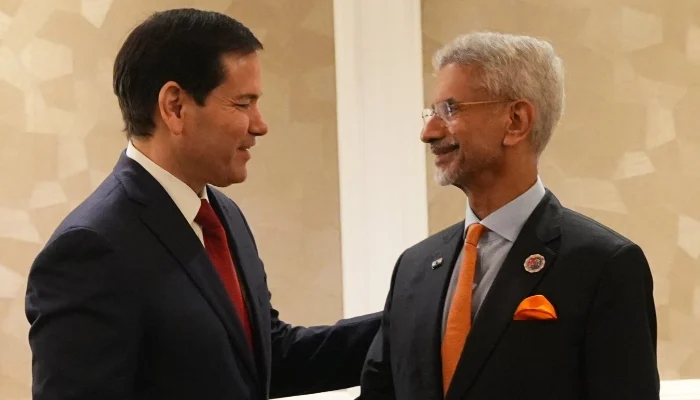
The Jaishankar Rubio meeting tariff tensions also carry symbolic importance. By choosing open communication over confrontation, both nations demonstrate that diplomacy can still prevail during economic strain. This moment shows the resilience of bilateral relations that continue to thrive even amid disagreements.
Regional and Global Significance
Beyond the bilateral context, this meeting sends a message to the wider Indo-Pacific and ASEAN region — India and the U.S. remain committed to ensuring free and fair trade. The Jaishankar Rubio meeting tariff tensions thus underscore their joint role as anchors of stability in a volatile global environment.
What Lies Ahead
Future rounds of dialogue will decide whether the Jaishankar Rubio meeting tariff tensions lead to lasting resolution or renewed disputes. Both nations appear optimistic but cautious, aware that diplomacy requires patience, not pressure. Observers say this could become a turning point for trade diplomacy in 2025, redefining how India and the U.S. manage competition and cooperation simultaneously.
Conclusion
The Jaishankar Rubio meeting tariff tensions mark a pivotal moment in India-U.S. relations. They reveal how strong nations can face disagreements without breaking trust. Through dialogue and diplomacy, both sides are signalling readiness to protect their interests while preserving global economic balance. The Kuala Lumpur meeting may well be remembered as a diplomatic success built on realism, respect, and resilience.