Growing Tensions Put U.S.–Iran Relations at a Dangerous Crossroads
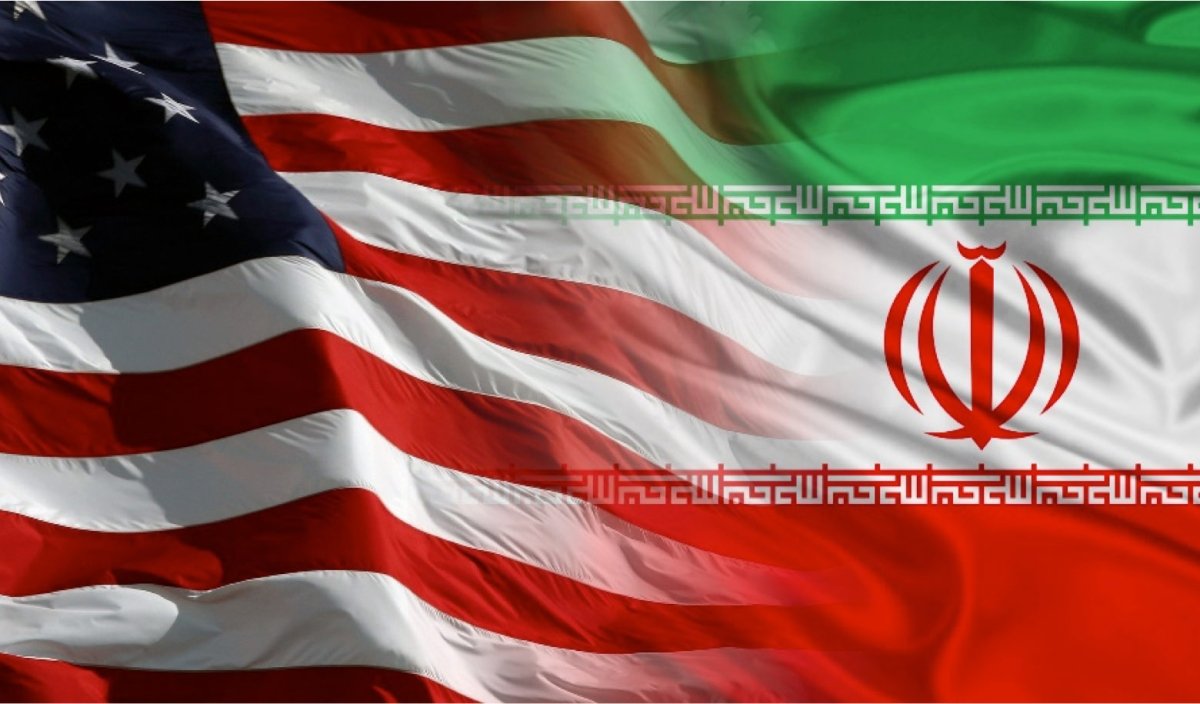
Recent developments have pushed U.S.–Iran tensions back into the global spotlight. After months of uneasy calm, military movements, sharper political rhetoric, and renewed nuclear concerns are raising serious questions about where this standoff is heading. While both governments publicly signal caution, the atmosphere feels increasingly fragile. Many observers believe 2026 could become a decisive year — either for diplomatic recovery or for a dangerous escalation that reshapes stability across the Middle East and beyond.
1. Rising Military Activity in the Middle East
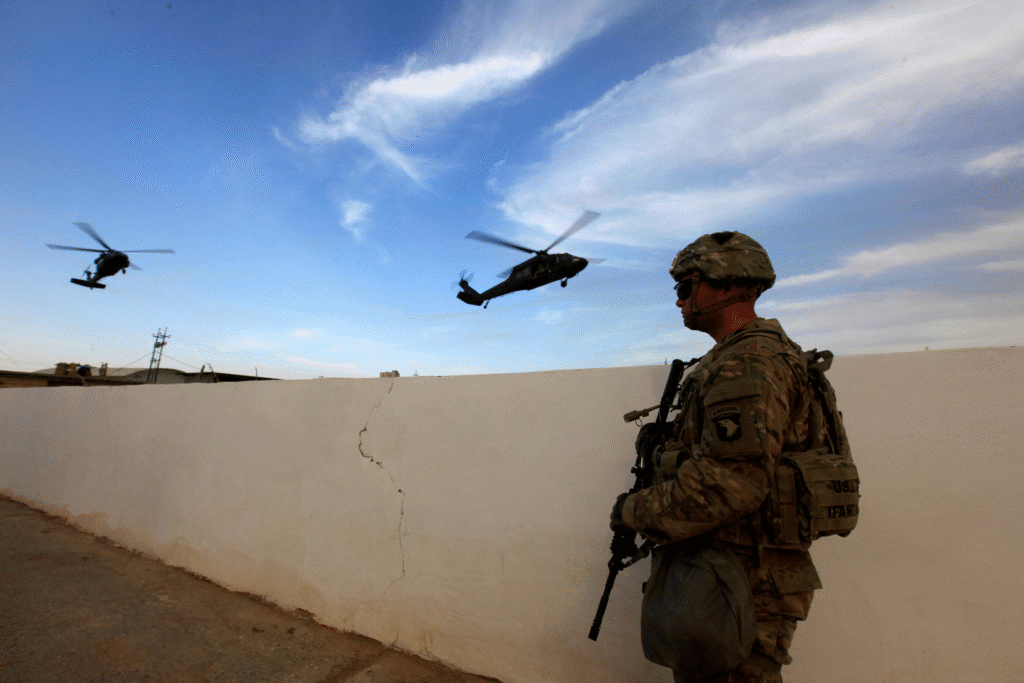
One of the strongest signals of potential escalation is the noticeable increase in military positioning across the region. The United States has reinforced its presence near the Persian Gulf, while Iran has expanded its regional defense posture.
Although officials describe these moves as “defensive,” history shows that rapid military buildup often increases the risk of miscalculation. Even a small incident at sea or in contested airspace could spiral into something far more serious.
2. Nuclear Program Tensions Reaching a Critical Stage
Iran’s nuclear program remains at the center of the dispute. Western officials argue that uranium enrichment levels are approaching alarming thresholds, while Iranian leaders insist their program is for peaceful purposes.
This standoff places enormous pressure on diplomatic talks. If negotiations collapse completely, the possibility of pre-emptive military action could become part of strategic discussions in Washington.
3. Political Pressure Inside Washington
Domestic politics in the United States are also shaping the tone of foreign policy. Lawmakers are divided between those pushing for a tougher stance and those urging restraint.
With elections approaching, strong rhetoric around national security can easily intensify. Political messaging sometimes amplifies tension, even when behind-the-scenes diplomacy continues.
4. Iran’s Regional Influence Expanding
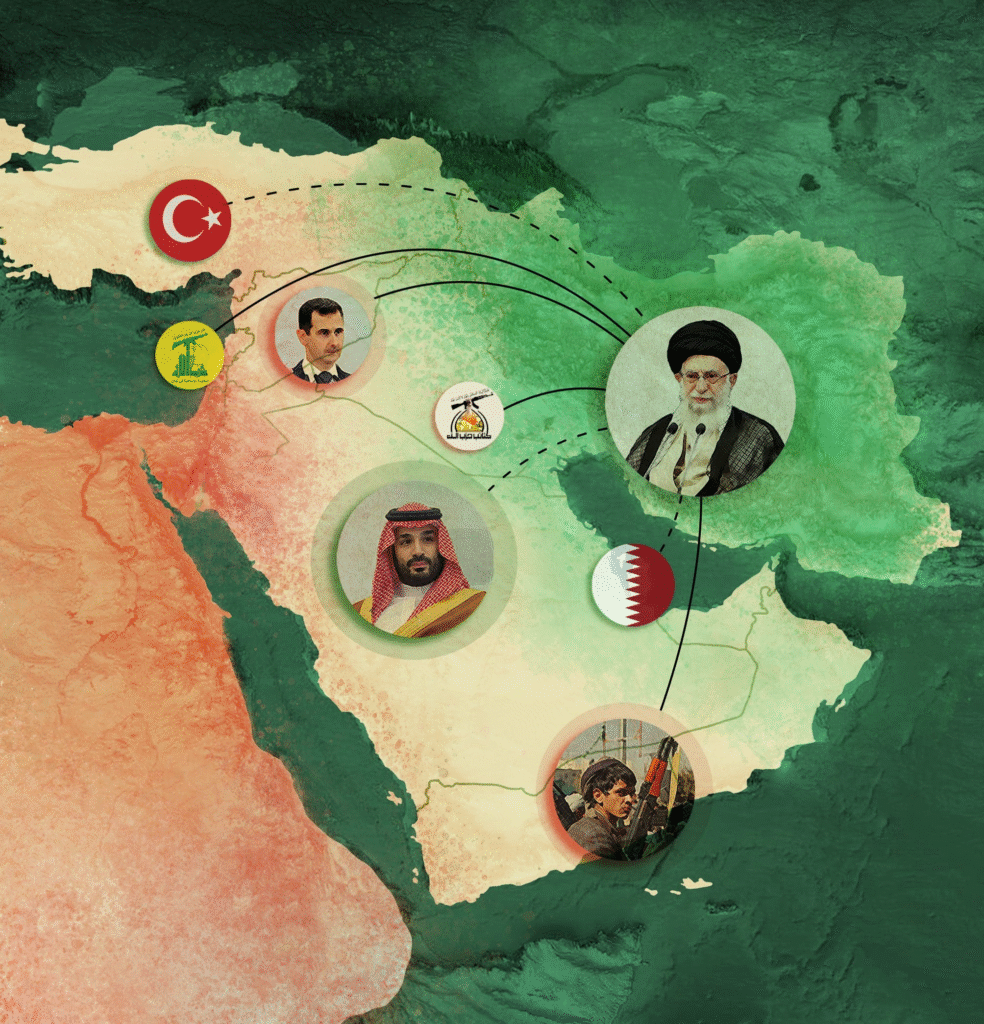
Iran maintains influence through allied groups across Iraq, Syria, Lebanon, and Yemen. Any confrontation involving these actors could draw the United States into indirect clashes.
Regional flashpoints create unpredictable scenarios. A localized strike or retaliation could quickly widen into a broader conflict, especially if casualties occur.
5. Diplomatic Talks Showing Both Hope and Fragility
Despite rising tension, diplomacy has not collapsed. Negotiations—whether direct or through intermediaries—continue quietly. European mediators and regional powers are working to keep communication alive.
This diplomatic effort represents the strongest positive signal. However, trust between both sides remains extremely low. One breakdown in talks could shift the balance from negotiation to confrontation.
6. Economic Sanctions Increasing Pressure
Economic sanctions remain a key tool used by Washington. Iran’s economy continues to feel the strain, while Tehran responds by strengthening ties with alternative partners.
Sanctions often aim to push leaders toward compromise. Yet prolonged economic pressure can also harden positions instead of softening them. The longer the stalemate continues, the narrower the path to agreement becomes.
7. The Risk of a Single Triggering Event
Perhaps the most dangerous factor is the unpredictability of sudden events. A naval incident in the Strait of Hormuz, a missile strike by proxy forces, or a cyberattack could act as a spark.
History shows that large conflicts sometimes begin with limited engagements. In a climate already charged with suspicion, even a minor clash could escalate rapidly.
Is War Inevitable? A Realistic Outlook
Despite these warning signs, full-scale war is not guaranteed. Both Washington and Tehran understand the enormous economic and human costs of open conflict. The global economy would suffer, oil markets would react sharply, and regional stability would face severe disruption.
At the same time, neither side wants to appear weak. This delicate balance between strength and restraint defines the current moment.
The coming months will likely depend on three factors:
- Whether nuclear negotiations produce measurable progress
- How regional incidents are managed
- Whether political leaders choose de-escalation over confrontation
For now, the situation remains tense but not irreversible.
Final Analysis: Escalation or Diplomatic Breakthrough?
The possibility of a U.S.–Iran military conflict in 2026 cannot be dismissed. Multiple warning signs are visible, from military movements to political rhetoric. Yet pathways to peace still exist.
Global observers are watching closely because the stakes extend far beyond two nations. Stability in the Middle East, global energy markets, and international security all depend on careful decisions made in Washington and Tehran.
The current phase is defined by uncertainty — a dangerous mix of pressure, strategy, and cautious diplomacy. Whether this moment becomes a turning point toward conflict or a breakthrough toward renewed agreement will depend on disciplined leadership and sustained negotiation.