Devastating Iran-Israel War: US Joins Israel for 8 Shocking Strikes on Tehran – Live Updates
The Iran-Israel war has taken a dangerous new turn today, February 28, 2026. The United States and Israel launched coordinated pre-emptive strikes on Iranian targets, sending shock waves across the Middle East. Explosions rocked Tehran, missiles flew toward Israel, and leaders on both sides issued strong statements. Here is everything you need to know right now.
1. Joint US-Israel Strikes Hit Iran
US President Donald Trump confirmed the start of “major combat operations” against Iran. He said the goal is clear: protect Americans by removing threats from the Iranian regime. Israeli Defence Minister Israel Katz called it a “pre-emptive attack” to eliminate dangers to Israel. The operation, planned for months, began with air and sea strikes.
2. Loud Explosions and Smoke Over Tehran
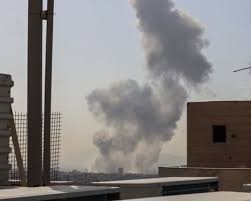
Iranian media and AFP journalists reported two loud blasts in central and eastern Tehran. Thick plumes of smoke rose into the sky. Fars news agency said the explosions looked like missile strikes. No exact damage figures are out yet, but the images show a serious situation in the capital.
3. Attack Reported on Bushehr Port City
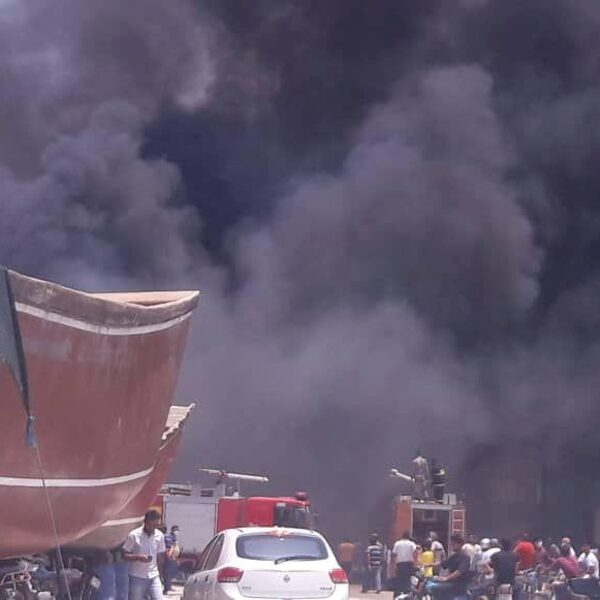
Reports say Israel struck the port city of Bushehr. Officials are still checking if the nearby nuclear power plant was affected. This adds another layer of worry because Bushehr is a key site in Iran.
4. Iran Fires Back with Missiles and Drones
Iran’s IRGC quickly responded. The first wave of missiles and drones headed toward Israel. Sirens sounded across several Israeli cities and people were told to take shelter immediately. This marks the direct retaliation in the new round of the Iran-Israel war.
5. Airspaces Shut Down Across the Region
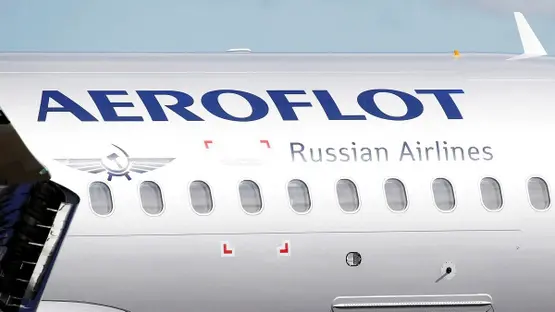
Iran closed its airspace for at least six hours. Israel stopped all civilian flights and declared a nationwide state of emergency. Iraq also closed its airspace. Kuwait and Russian airlines suspended flights to both countries. Travel has become extremely difficult in the area.
6. Calls for Regime Change Grow Louder
Israeli Prime Minister Benjamin Netanyahu released a video statement calling for regime change in Tehran. Exiled Iranian prince Reza Pahlavi, speaking from Paris, urged Iranians to prepare to return to the streets. He asked the military and police to break away from the current leadership and help start a peaceful transition. Pahlavi called the US action a “humanitarian intervention” but asked President Trump to protect ordinary civilians.
7. Iranian President Declared Safe
Iranian state media confirmed that President Masoud Pezeshkian is “safe and sound” after the strikes. Supreme Leader Khamenei was moved to a secure location outside Tehran as a precaution.
8. Pakistan Issues Travel Advisory
Pakistan’s Foreign Office advised all Pakistani nationals in Iran to avoid non-essential travel, stay cautious, and keep in touch with the embassy in Tehran or consulates in Zahidan and Mashhad. This is important for the large Pakistani community living and working there.
What This Means for the Region
This sudden escalation in the Iran-Israel war comes after months of talks between the US and Iran. Just weeks ago both sides were sitting in Geneva trying to find a deal on Iran’s nuclear program. Now those talks look frozen. The strikes also follow a 12-day air war between Israel and Iran last June when the US had joined briefly.
Many experts fear this could spread. Hezbollah in Lebanon already faced fresh Israeli strikes today. Oil prices are expected to jump, and the whole Middle East is on high alert.
Final Thoughts
The Iran-Israel war is moving fast. What started as threats has now become active combat involving the United States. We will keep watching every new development – from missile counts to any talks of ceasefire.
Stay safe, stay informed, and check back for fresh updates on this rapidly changing situation
Frequently Asked Questions (FAQs) – Iran-Israel War 2026
1. When did the Iran-Israel war start and what is the current situation? The conflict escalated into open war on February 28, 2026, when the United States and Israel launched coordinated pre-emptive strikes on Iran. Explosions have been reported in Tehran and other areas, Iran has fired missiles and drones toward Israel, and air-raid sirens are sounding across Israel. The situation is highly tense and could last for days or longer.
2. Why did the US attack Iran? US President Donald Trump announced “major combat operations” to eliminate imminent threats from the Iranian regime, including its nuclear program, missile capabilities, and attacks on US interests. Trump also urged Iranians to overthrow their government for freedom. Israel described the strikes as pre-emptive to remove existential threats to its security.
3. What is happening in Tehran right now? Multiple explosions have been heard in Tehran, with thick smoke rising from central and eastern parts of the city. Residents report blasts near key sites. Iran’s Supreme Leader Ayatollah Khamenei has been moved to a secure location, while the President is reported safe.
4. How has Iran responded? Iran’s Revolutionary Guards (IRGC) launched the first large-scale wave of retaliatory missiles and drones toward Israel. Sirens are active across Israeli cities, and people are taking shelter. Iranian officials have promised a “crushing” response.
5. Could this turn into a nuclear war? So far, no nuclear weapons have been used. The strikes target military sites, leadership compounds, and missile facilities. However, experts warn of serious risks if the conflict escalates further, especially near sites like the Bushehr nuclear plant.
6. What impact could this have on Pakistan? Pakistan’s Foreign Office has issued a travel advisory urging citizens in Iran to avoid non-essential travel, stay cautious, and contact the embassy in Tehran or consulates in Zahidan and Mashhad. Oil prices may rise sharply, affecting Pakistan’s economy. There is no direct military threat to Pakistan yet, but the situation is being closely monitored.
7. Is a ceasefire possible soon? No ceasefire talks are underway at the moment. Trump described the operations as “massive and ongoing,” and Iran has vowed strong retaliation. Some analysts compare it to the 12-day war in June 2025, but US involvement makes a longer conflict more likely.
8. What did Trump say to the Iranian people? In a video message, Trump called on Iranians to “take over your government” and said the “hour of your freedom is at hand.” Exiled Iranian prince Reza Pahlavi has also supported regime change and asked the military to side with the people.
9. What about flights and travel in the region? Iran, Israel, and several neighboring countries have closed their airspace. Airlines from Pakistan, Kuwait, Russia, and others have suspended flights to affected areas. If you have travel plans to Iran or the Middle East from Lahore or elsewhere, it is best to avoid them for now.
10. Will the war end quickly? It is hard to predict. US officials say operations could continue for several days. Both sides are issuing strong statements, and the Middle East remains on high alert. Follow reliable sources like Dawn, Al Jazeera, Reuters, or BBC for the latest updates.