Who Is US Sikh Leader Gurpatwant Singh Pannun?
An indian national admits role in US Sikh leader assassination plot linked to a 2023 murder‑for‑hire scheme against Sikh separatist leader Gurpatwant Singh Pannun in New York.
This high‑profile case, in which an indian national admits role in US Sikh leader assassination plot, has intensified debate on transnational repression and raised serious questions about India’s conduct towards its critics abroad.
For many observers, the indian national admits role in US Sikh leader assassination plot has become a test case for how democracies handle the safety of dissidents living on foreign soil.
Who is Nikhil Gupta and what did he admit?
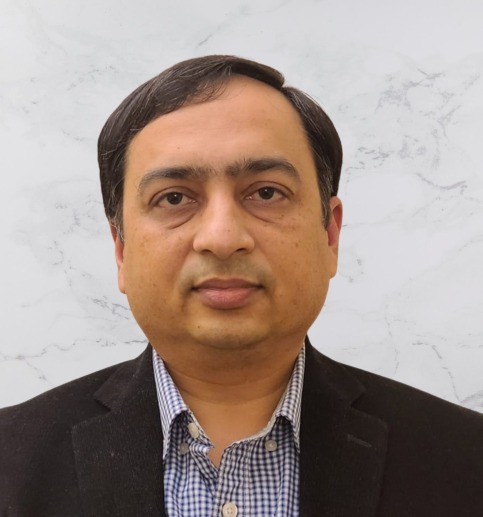
Nikhil Gupta, a 54‑year‑old Indian citizen, pleaded guilty in a US federal court to multiple charges connected to a murder‑for‑hire conspiracy targeting Gurpatwant Singh Pannun.
Prosecutors say Gupta agreed to help hire a contract killer and transferred 15,000 dollars online in 2023 to someone he believed would carry out the assassination of the US‑based Sikh leader.
The individual he contacted turned out to be a confidential source working with the US Drug Enforcement Administration (DEA), allowing authorities to closely monitor every step of the plot.
During his court appearance, Gupta admitted that he sent the money and took concrete steps to move the plan forward, fully expecting that Pannun would be killed.
Who is Sikh leader Gurpatwant Singh Pannun?
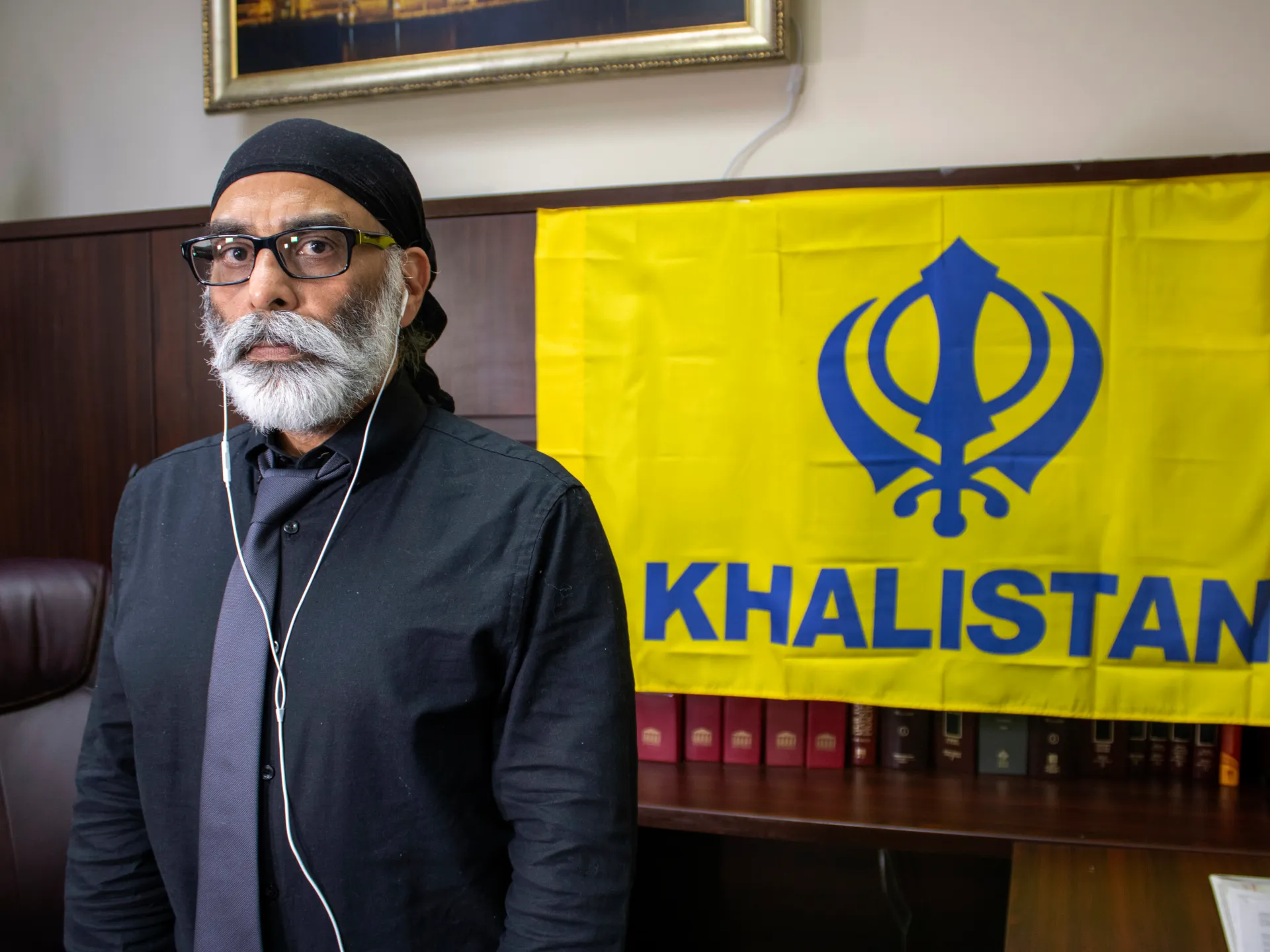
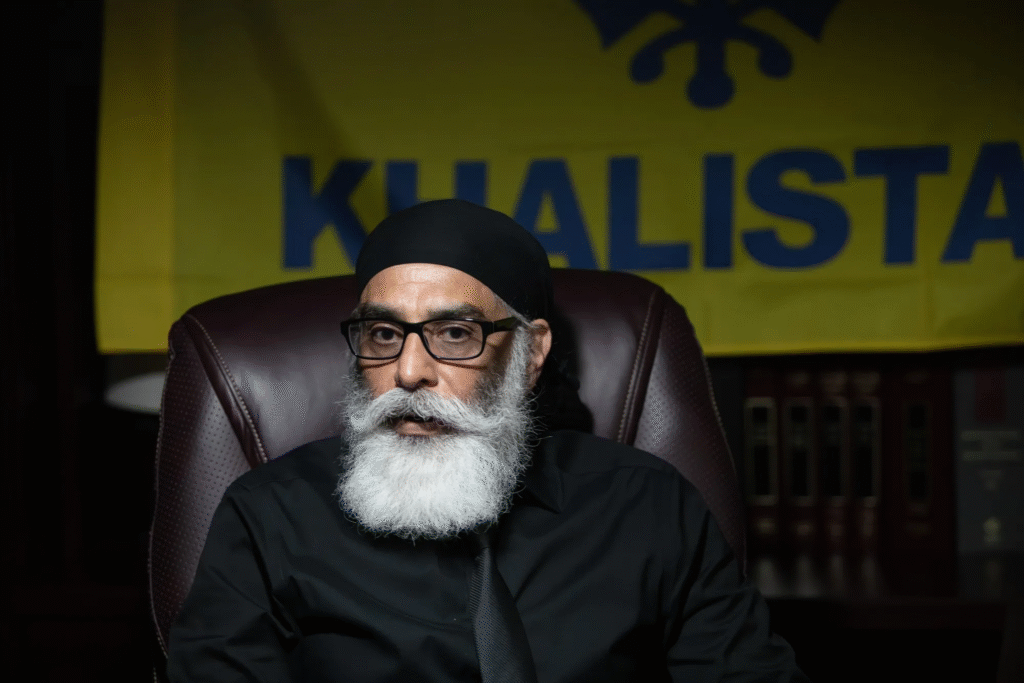
Gurpatwant Singh Pannun is a Sikh separatist leader and lawyer who holds US and Canadian citizenship and is based in New York.
He is a key figure in Sikhs for Justice, a New York‑based organisation campaigning for an independent Sikh homeland, Khalistan, in India’s northern state of Punjab.
The Indian government has designated Pannun a “terrorist” under its domestic laws and accuses him of promoting separatism and extremism.
Pannun rejects this label and describes himself as a Sikh and human rights lawyer advocating equal rights and self‑determination for all people in Punjab.
Details of the assassination plot
According to US prosecutors, Gupta was recruited around May 2023 and instructed to arrange the killing of Pannun in New York.
He allegedly coordinated with a supposed hitman, discussed the logistics of the assassination, and agreed on payments for the murder.
In reality, the “hitman” was an undercover operative working with US law enforcement, which enabled investigators to capture messages, calls, and payment details linked to the scheme.
Gupta confirmed in court that he wired 15,000 dollars as an advance, believing the money would fund the killing of the Sikh separatist leader.
Alleged link to an Indian government official
US officials say the case fits a wider pattern of efforts to silence Indian dissidents overseas.
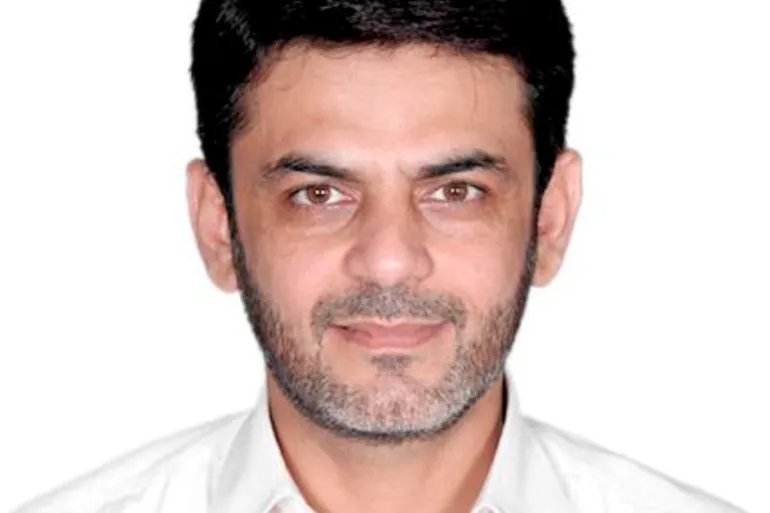
James C Barnacle Jr, who leads the FBI’s New York office, stated that Gupta was acting with an Indian government employee who directed him to organise the assassination.
Prosecutors allege that an Indian intelligence officer, identified in court documents as Vikash Yadav, orchestrated the plot and asked Gupta to hire a man for the murder.
Yadav is accused of providing details about Pannun’s residence and contacts and remains at large, while Indian officials firmly deny authorising any such operation.
New Delhi has rejected accusations that it targets dissidents abroad and insists that any unlawful killing on foreign soil would contradict its official policy.
What sentence does Nikhil Gupta face?
Gupta was arrested in June 2023 at Prague airport in the Czech Republic and later extradited to the United States.
He pleaded guilty to murder‑for‑hire, conspiracy to commit murder‑for‑hire, and conspiracy to commit money laundering, charges that together can carry a sentence of up to 40 years in prison.
Under US federal sentencing guidelines, Gupta is expected to face a prison term in the range of 20 to 24 years under his plea agreement.
His formal sentencing has been scheduled for 29 May, when the judge will decide the exact length of his prison term.
Reactions from Sikh activists and supporters
The case has sparked strong reactions among Sikh communities in the US, Canada, and beyond.
Around a dozen Sikh supporters attended Gupta’s court hearing, chanted victory slogans afterward, and held a prayer service outside the courthouse.
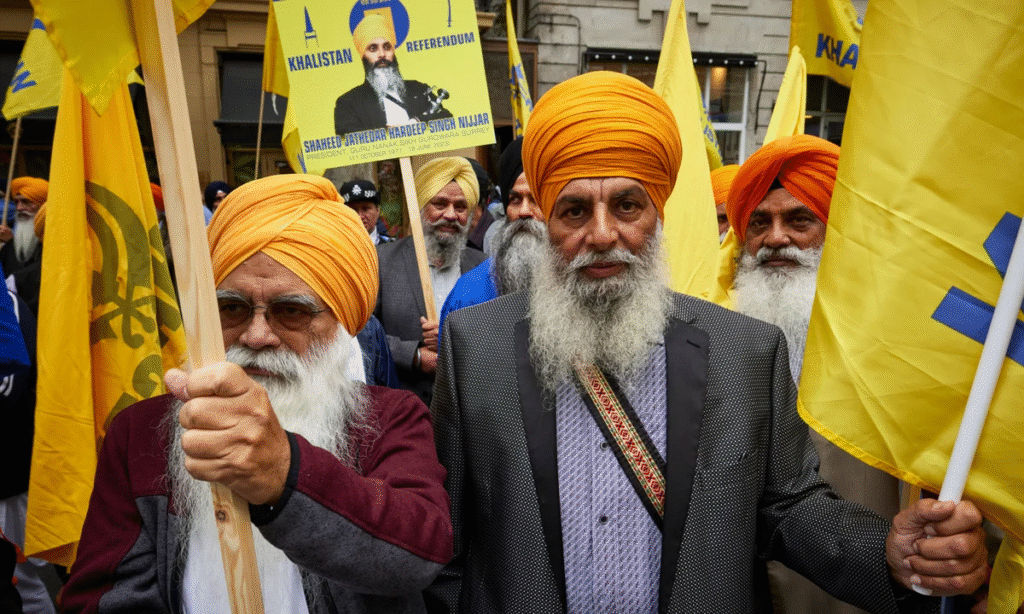
Many of them waved yellow Khalistan flags, symbolising their demand for an independent Sikh state in Punjab.
For these activists, the fact that an indian national admits role in US Sikh leader assassination plot is seen as proof that attempts were made to violently silence a prominent Sikh voice abroad.
Pannun’s response: “Prepared to take India’s bullet”
Speaking after the hearing, Gurpatwant Singh Pannun said he would continue his activism “even if I have to face a bullet.”
He insisted that he is “not a terrorist” but a Sikh and human rights lawyer working for a Punjab where people of every religion enjoy equal rights.
Pannun described Nikhil Gupta as “just a foot soldier” and urged US authorities to hold accountable those in India whom he believes authorised and funded the operation.
He argued that the planning, direction, and financing for such plots originate from higher levels of the Indian state rather than from individuals acting alone.
Pannun also declared that he would rather “take India’s bullet” than abandon the struggle for an independent Sikh state, saying he will continue his campaign until Punjab becomes free or he loses his life.
Broader impact on India’s relations with the West
US and Canadian officials say this case is part of a broader pattern of threats and plots targeting Indian dissidents living overseas.
These allegations have already strained India’s relations with Western governments, especially Washington and Ottawa, which have raised concerns about extraterritorial repression.
For many analysts, the way the indian national admits role in US Sikh leader assassination plot case is handled will influence future cooperation on security, intelligence sharing, and human rights between India and its Western partners.
The case has also drawn renewed attention to earlier allegations, including the killing of Sikh leader Hardeep Singh Nijjar in Canada, which further complicated India–Canada ties.