Venezuela Waters And US Boat Strikes
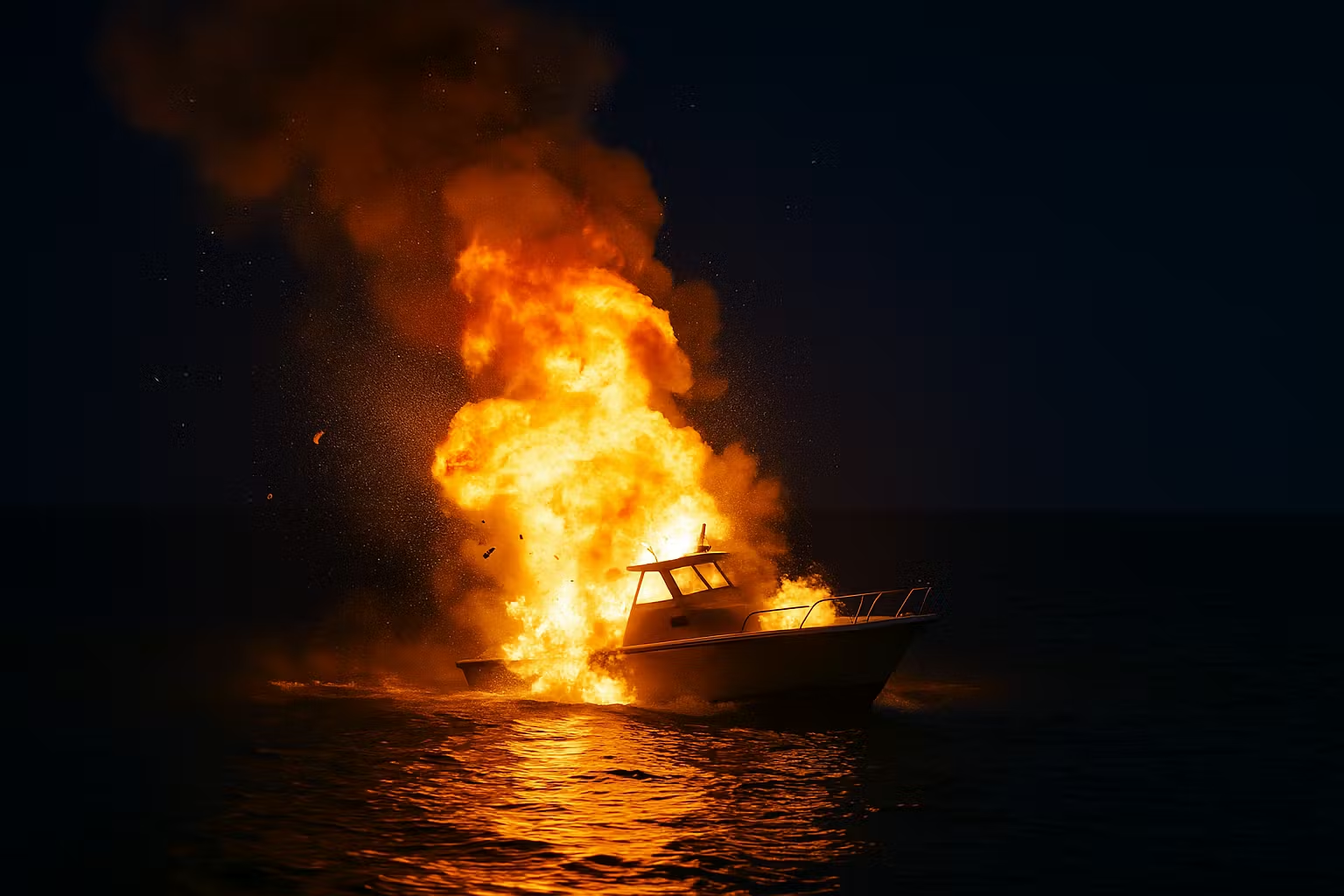
Venezuela waters have recently become a symbol of tension between Washington and Caracas after deadly US strikes on a suspected drug boat in the Caribbean. The most controversial incident happened on 2 September 2025, when a small vessel was attacked and almost everyone on board was killed in a single operation.
According to media reports, some people survived the first blast and were left floating in Venezuela waters before a second missile hit the same area. This follow-up attack, often called a “double-tap” strike, destroyed the wreck and killed the remaining survivors, which raised serious human rights and legal questions.
Supporters of the mission say the operation in Venezuela waters was part of a tough campaign against narcotics and violent gangs moving drugs toward the United States. Critics respond that the US has not shown clear public proof that the people on the boat were drug traffickers and argue that such lethal force at sea may breach international law.
Why This Region Matters
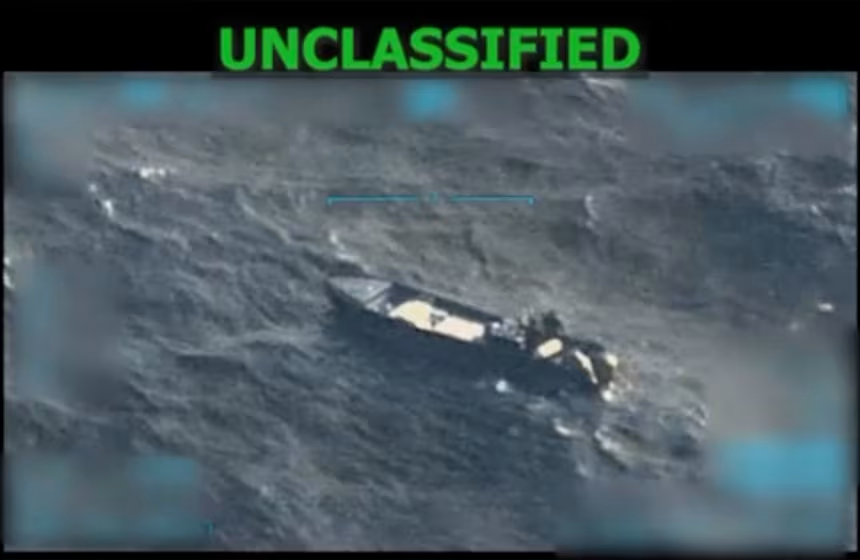
The stretch of sea known as Venezuela waters lies on busy routes used for trade, fishing, and, according to US intelligence, smuggling. It connects the northern coast of South America to the wider Caribbean and onwards to Central and North America, making it a natural corridor for fast boats and cargo ships.
Because of this location, many governments monitor the area closely with patrol ships, aircraft, and drones. For local communities, however, these same waters are a lifeline: fishermen, traders, and ferry operators depend on safe access to earn a living and feed their families. When tension rises and missiles hit targets in or near Venezuela waters, ordinary people fear mistakes and escalation.
What Happened On 2 September 2025
On 2 September 2025, US surveillance picked up a small vessel moving through the Caribbean near the Venezuelan coast. Officials later said they suspected the boat was linked to a criminal network and could be carrying drugs, but they did not release public evidence such as photos of seized cargo.
US forces launched a first strike that shattered the vessel and caused it to sink rapidly. Most people on board died instantly from the explosion, fire, or drowning. Military assessments indicated that at least two survivors could still be seen in the water close to the wreck in Venezuela waters.
Instead of sending a boarding team or coordinating a rescue, commanders authorised a second strike on roughly the same location. This second attack killed the remaining survivors and completely destroyed the debris, which is why many observers describe the episode as a double-tap strike in Venezuela waters.
What Is A Double-Tap Strike?
A double-tap strike is a tactic where a force hits a target once and then, after a short pause, hits the same spot again. The second blow often lands when wounded people, helpers, or first responders have gathered, making casualties higher and spreading fear.
This method has previously been reported in drone wars, where missiles strike a house or vehicle and then return minutes later while neighbours or medics try to rescue victims. Human rights groups argue that such patterns can amount to deliberate targeting of people who are no longer fighting or who are trying to give medical help.
In the case of Venezuela waters, the second strike came after the first attack, when survivors were already floating in open sea. Legal and humanitarian experts say this fits the definition of a double-tap, because the follow-up hit was directed at people who had already been neutralised as a direct threat.
Legal And Humanitarian Concerns
International humanitarian law and the Geneva Conventions protect the wounded and shipwrecked, including those in places like Venezuela waters. Once a person is out of combat, they should not be targeted, even if they are suspected of serious crimes or linked to armed groups.
For this reason, many legal scholars argue that deliberately killing survivors in the water can breach the laws of war. Some experts and politicians have used terms such as “unlawful killing” and even “possible war crime” when describing the second strike near the Venezuelan boat. Whether courts will agree depends on classified details, but the core rules on protection of shipwrecked persons are clear.
Human rights organisations also warn that these actions set a dangerous precedent. If powerful states can attack suspected smugglers in Venezuela waters and then hit survivors without trial or identification, other governments might copy the model in their own regions.
Venezuela’s Political Reaction
Venezuela’s government has condemned the operation as an attack on national sovereignty and an example of US overreach. Officials say that strikes in or near Venezuela waters should not happen without their consent, especially when they involve lethal force.
The country’s National Assembly has launched an investigation into the boat attacks. Lawmakers plan to gather evidence, listen to accounts from fishermen and coastguard officers, and present their findings to international organisations. Authorities in Caracas also insist that some of those killed may have been ordinary sailors or migrants, which would make the tragedy even more serious.
Venezuelan leaders argue that, if the US truly believed people on the boat were criminals, they should have been arrested and taken to court. From their point of view, killing suspects at sea in Venezuela waters denies families the chance to know the truth and denies defendants the right to a fair trial.
US Justification For The Strikes
The US administration defends the strikes as part of a broader campaign against drug trafficking networks that use the Caribbean and Venezuela waters as transit routes. Officials say these organisations supply dangerous substances to US cities and are connected to violent gangs and, in some cases, armed groups.
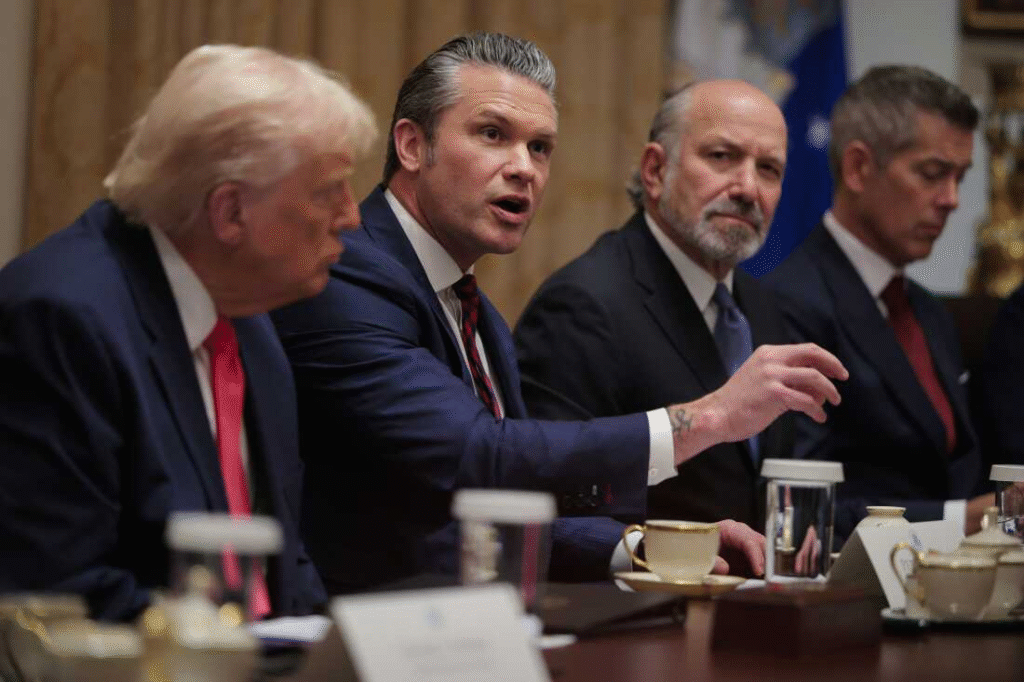
Military briefings suggest that the second strike was intended to remove any remaining threat and to prevent the damaged vessel from being used again. Commanders argue that decisions at sea must sometimes be made quickly, with limited information and under pressure. However, members of Congress and legal experts still question why capture was not attempted once people were clearly in the water.
Critics inside the US warn that if solid evidence about drugs and gang links is never released, future investigations may judge the actions in Venezuela waters very harshly. They call for stricter rules of engagement, more transparency, and better oversight of lethal operations far from traditional battlefields.
Impact On People And Future Security
Beyond politics and law, the strikes have real effects on people who live and work near Venezuela waters. Fishermen and small boat crews now worry that normal activity could be misread as smuggling, making them potential targets in a dangerous environment.
Experts on maritime security argue that long-term stability will depend on cooperation rather than repeated missile attacks. Joint patrols, shared intelligence, and coordinated arrests could help stop drug routes while reducing the risk to civilians. But as long as relations between the US and Venezuela remain tense, agreeing on common rules for operations in Venezuela waters will be difficult.