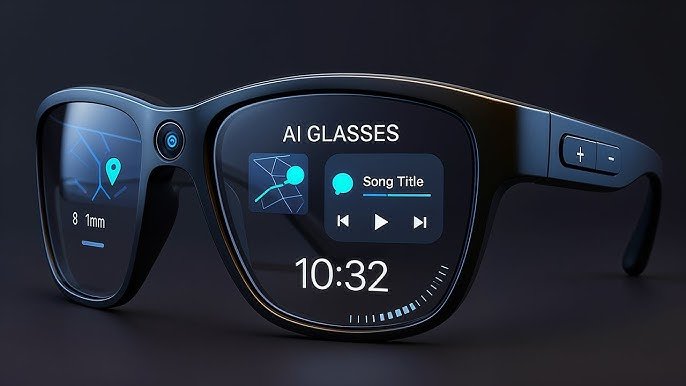
AI Smartglasses: HTC VIVE Eagle Takes an Open AI Route to Challenge Meta
Taiwanese tech company HTC is betting on AI smartglasses to stage a comeback in consumer hardware, led by its new VIVE Eagle glasses. Instead of one locked assistant, these AI smartglasses support several AI models inside the same pair of frames.
What exactly are AI smartglasses?
AI smartglasses look like regular eyewear but hide cameras, microphones, speakers and processors to run intelligent assistants. Users can talk to the frames, capture photos, translate text and get information overlays without pulling out a phone.
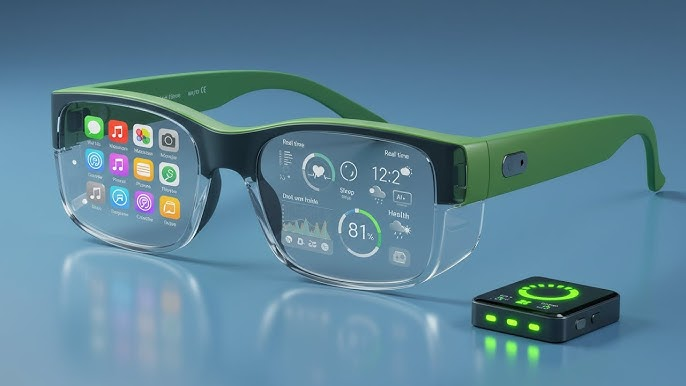
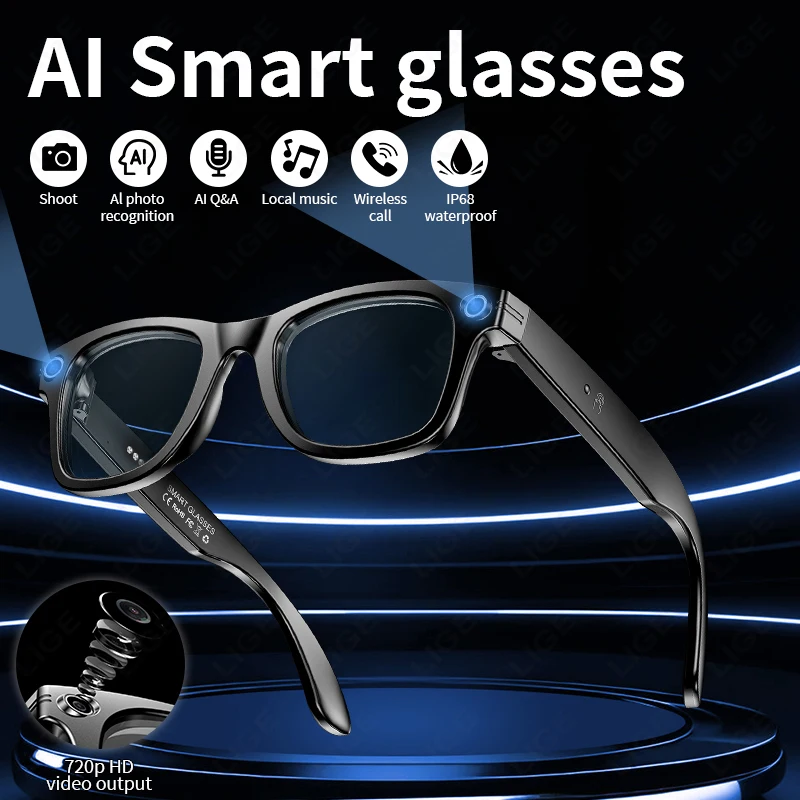
HTC’s VIVE Eagle is built as everyday smart eyewear, weighing around 49 grams and offered in multiple colors. These AI smartglasses include music playback, hands‑free photography, short video clips and photo‑based translation, similar in spirit to Meta’s Ray‑Ban glasses.
HTC VIVE Eagle: Key features
The VIVE Eagle is HTC’s first major entry in this wearable category in years. It runs on Qualcomm’s Snapdragon AR1 Gen 1 platform with 4GB of RAM and 32GB of storage, allowing local processing for smoother interactions.
Each pair of AI smartglasses ships with lenses, a protective case and, in some markets, a multi‑year subscription to the VIVE AI Plus service. Everyday scenarios include listening to music on a walk, snapping pictures from the wearer’s point of view and translating signs while travelling.
HTC’s open AI strategy inside the glasses
The standout idea behind HTC’s AI smartglasses is its open AI strategy. Charles Huang, HTC’s senior vice president for global sales and marketing, says the VIVE Eagle can tap into Google’s Gemini, OpenAI models and HTC’s own VIVE AI instead of relying on a single in‑house assistant.
Huang argues that large language models evolve quickly and demand huge compute resources, so partnering with multiple platforms makes more sense than building a closed system. This gives buyers flexibility to benefit from improvements across several AI providers over time on the same hardware.
How HTC’s glasses differ from Meta, Xiaomi and Alibaba
Most rival AI smartglasses tie users tightly to one ecosystem. Meta’s Ray‑Ban collaboration is deeply integrated with Meta AI and its social apps, while Chinese brands like Xiaomi and Alibaba rely on their own domestic models and cloud services.
HTC is trying to stand out with more flexibility and a stronger focus on data protection. The company highlights local processing when possible and anonymised cloud requests, pitching this as a privacy‑friendlier alternative to social‑media‑driven devices.
Rapid growth of the smartglasses market
Shipments of AI‑powered eyewear and related devices have more than doubled in the first half of the year. Meta currently dominates, with its Ray‑Ban line taking the largest share of global sales.
Analysts expect the overall market for AI smartglasses to grow as hardware gets lighter and battery life improves. Use cases range from travel assistance and lifelogging to accessibility features for people with low vision or mobility issues.
Pricing and launch plan for VIVE Eagle
HTC first released the VIVE Eagle in Taiwan at around NT$15,600, roughly US$520. In Hong Kong, the price is about HK$3,988, with perks such as discounted prescription lenses and bundled AI services.
The company plans an Asia‑first rollout, moving from Taiwan and Hong Kong to Japan and Southeast Asia, before expanding into Europe and the United States in 2026. HTC also says it is working with local partners to adjust frame designs for different face shapes and style preferences.
Why HTC is returning to this category now
Earlier this year HTC sold part of its XR headset and glasses unit to Google for about US$250 million, raising questions about its hardware strategy. For several years, the VIVE brand mainly focused on VR headsets and enterprise XR solutions.
Launching VIVE Eagle AI smartglasses signals that HTC still wants a place in consumer devices, this time at the intersection of wearables, AI assistants and extended reality. Success here could rebuild the company’s visibility with everyday users after its retreat from the smartphone market.
Challenges for HTC and the AI glasses category
Even with growing interest, this new category faces real obstacles, including limited battery life, comfort issues and camera‑related privacy fears. Many people still wonder why they should buy AI smartglasses when smartphones already handle voice commands and photography.
HTC’s open AI approach also has to stay simple enough for non‑technical buyers. If switching between assistants feels complicated or confusing, users may prefer the smoother, tightly controlled experience offered by Meta and other incumbents.
What AI smartglasses could mean for everyday computing
If HTC’s experiment gains traction, it could push the industry toward more open, modular AI ecosystems rather than locked‑down platforms. Developers might start building services that can plug into several assistants at once, giving users more freedom to choose how their wearable AI behaves.
For consumers, that could mean lighter, more capable AI smartglasses that quietly handle translation, navigation, note‑taking and content capture in the background. Whether HTC becomes a major winner or simply nudges the market in this direction, its latest move shows how seriously big tech now takes AI‑driven eyewear.