Introduction: What Is the Government Shutdown Crisis?
The Government Shutdown Crisis is a critical event in the United States, causing widespread disruption in essential services, financial support programs, and the daily lives of millions. With government offices shuttered, families are facing food assistance delays, missed paychecks, and growing doubt about when relief will finally arrive. More than a political impasse, the Government Shutdown Crisis poses a real threat to stability and everyday well-being for Americans across the nation.
How the Government Shutdown Crisis Began
The current Government Shutdown Crisis started when lawmakers in Congress could not agree on the federal budget. Disagreements over policy priorities, funding for key programs, and party demands escalated into a legislative stalemate. As negotiations failed, critical operations and support services ground to a halt, leaving citizens and public workers in limbo.
Proposals from both major parties have included emergency funding, temporary budget extensions, and even dramatic rule changes. But with strong political divisions blocking compromise, the crisis continues without resolution.
Why Congress Is Deadlocked
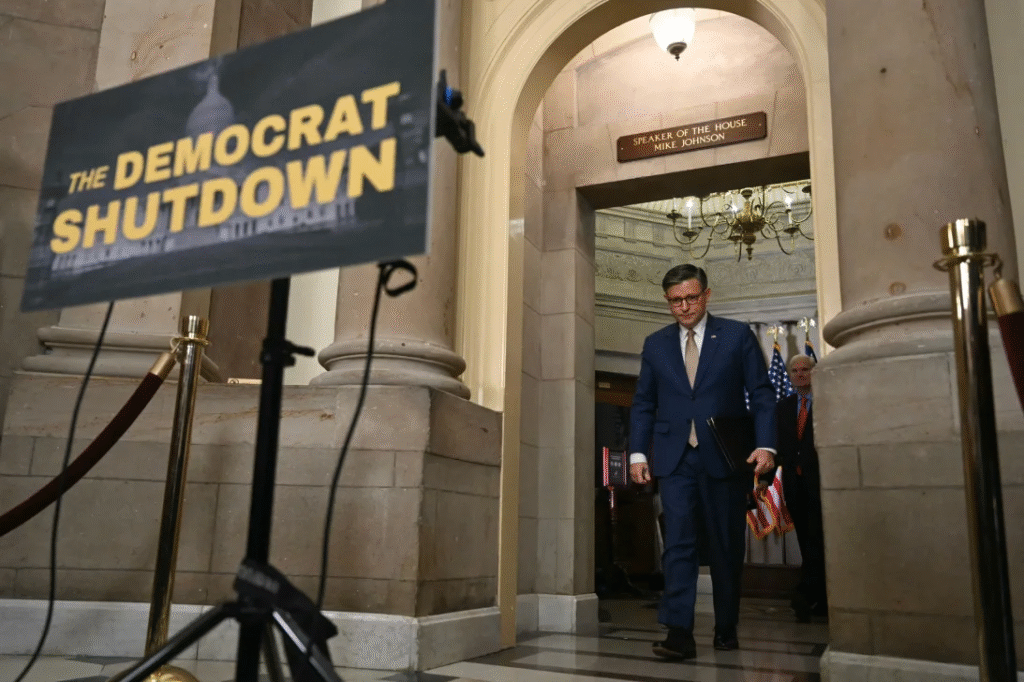
Why has the Government Shutdown Crisis lasted so long? The answer lies in deep congressional gridlock. Both Republicans and Democrats want to “win” this battle, each making demands around spending, policy choices, and future guarantees. For many leaders, changing key negotiation processes—like removing the Senate filibuster—has become a central argument. But resistance to such changes has prolonged the shutdown, while families wait for solutions.
Blame and criticism flow freely in the media, but little progress has been made in actually ending the Government Shutdown Crisis. Meanwhile, ordinary Americans suffer as programs and resources disappear.

Federal Programs at Risk
During the Government Shutdown Crisis, many essential federal programs have been interrupted or delayed. These include:
- SNAP (food stamps)
- WIC (nutrition support for mothers and children)
- School meal programs
- Healthcare and Medicaid support
- Housing and heating assistance
- Veteran benefits
- Social Security office services
- Disability benefits
- Childcare support
While courts have provided some temporary relief by ordering emergency funds for food assistance, millions are still at risk of lost paychecks, missed bills, and reduced human services. The Government Shutdown Crisis remains a threat to basic stability for those who need support most.
Everyday Impact of the Government Shutdown Crisis
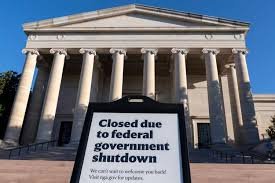
Families are feeling the full weight of the Government Shutdown Crisis in everyday life. SNAP cards are delayed, food distribution centers are under strain, and parents worry about how to provide for their children. Federal workers struggle with furloughs and lost wages, making it difficult to pay rent, utilities, and buy groceries.
Rural and urban communities alike face increased anxiety, with social service agencies challenged to meet growing needs. Vulnerable groups—like seniors, the disabled, and children—are harmed most, losing timely access to nutrition, healthcare, and warmth. The crisis also causes ripple effects such as mental health concerns, stress, and less trust in public institutions.
Public Sentiment and Political Blame
Public mood during the Government Shutdown Crisis is dominated by worry, anger, and a demand for accountability. Polls show Americans increasingly blame top leaders for the ongoing shutdown and want urgent solutions. Congressional offices receive thousands of complaints every day from citizens desperate for answers and a return to normalcy.
The political blame game is in full effect, with each party pointing fingers at the other, using media coverage and public statements to shape opinion. But amidst all the noise, the urgent needs of families and workers remain unanswered.
Powerful Solutions for the Government Shutdown Crisis
Ending the Government Shutdown Crisis will require focused action and genuine compromise. Here are practical steps toward real solutions:
- Open, Honest Negotiations: Leaders must prioritize direct talks and put citizen needs above political rivalry.
- Immediate Emergency Relief: Short-term agreements can restore essential benefits and services while complex issues are resolved.
- Reform Budget Approval Processes: Congress should adopt clearer, more resilient rules for future funding, reducing the risk of another shutdown.
- Transparent Communication: Public officials should openly report progress, obstacles, and plans so people can prepare and hope for stability.
- Support for Local Organizations: Boost community agencies so they can help those hurting most until federal aid resumes.
- Quick Restoration of Services: After the crisis ends, government offices need extra resources to rapidly clear backlogs and help people rebound.
Only teamwork, empathy, and practical leadership can bring a positive end to the Government Shutdown Crisis and help families regain confidence and control in their lives.
Conclusion
The Government Shutdown Crisis is more than politics—it is a challenge to America’s resilience and unity. By focusing on cooperation, clear solutions, and immediate relief, both leaders and citizens can help the country recover and emerge stronger. This guide provides the insights and hope needed to face the crisis—with proven strategies and a determination to restore stability.