Shocking Rs55 Petrol Bomb Hits Pakistan: Senate Panel Exposes Who Really Benefits from 20% Fuel Price Hike
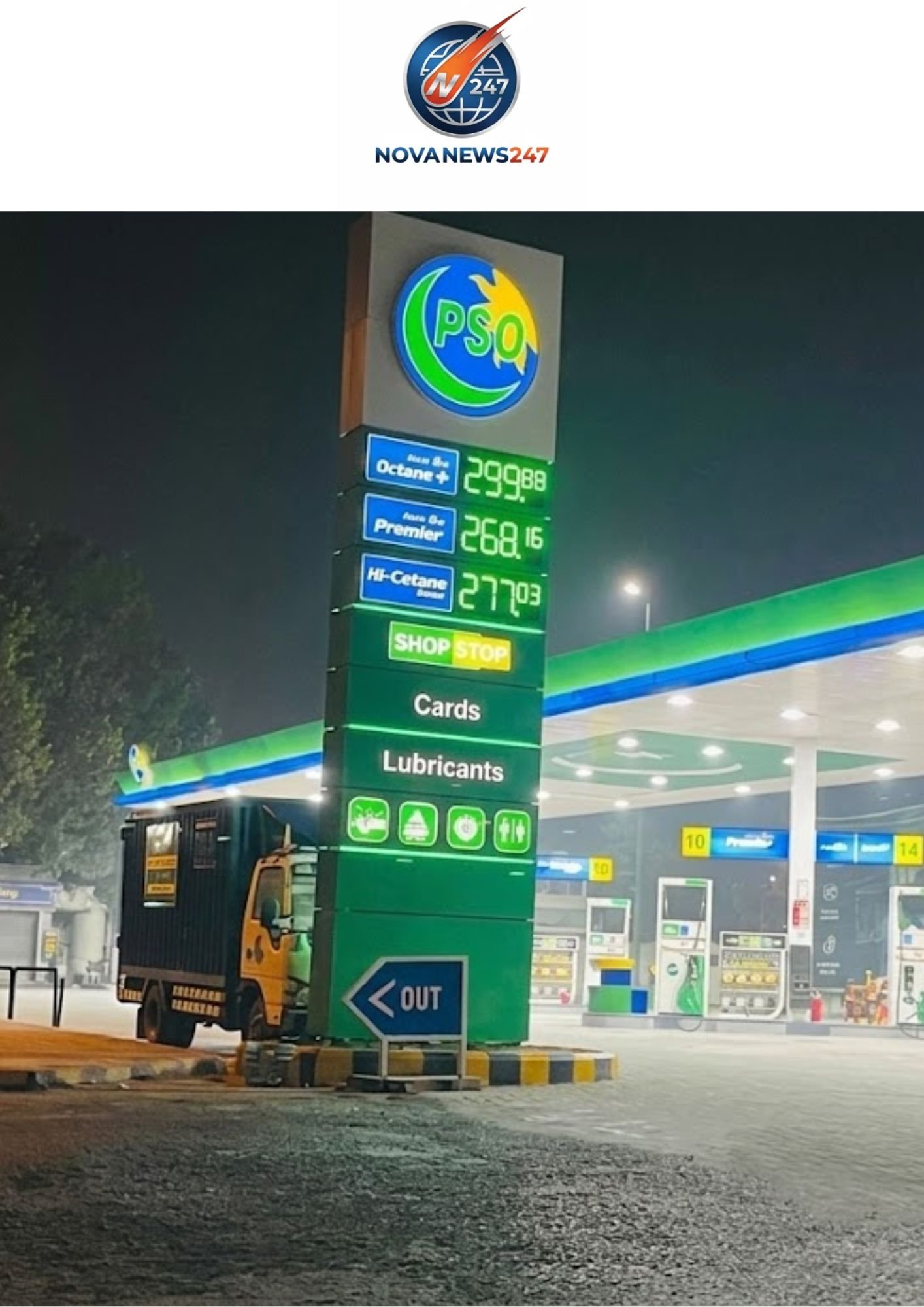
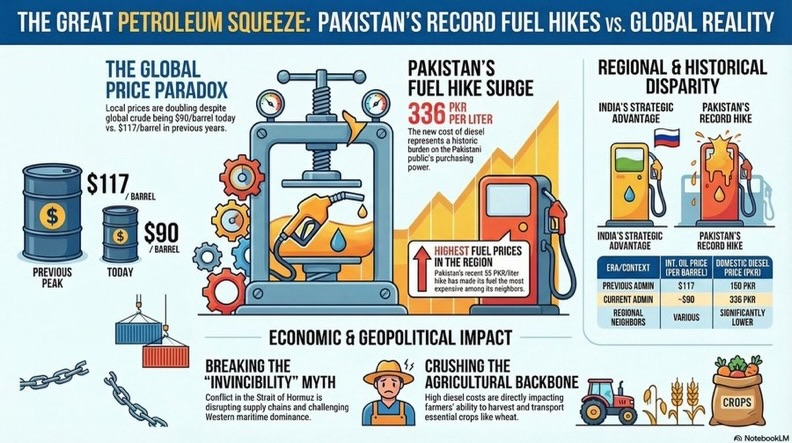
Pakistan is facing tough times with fuel costs shooting up again. Just days ago, the government raised petrol and high-speed diesel prices by Rs55 per litre—that’s a massive 20% jump in many cases. Petrol now sits around Rs321 per litre, while diesel is close to Rs336. This sudden hike has left millions of people angry and worried, especially daily wage earners, transporters, and families who depend on affordable fuel to get by.
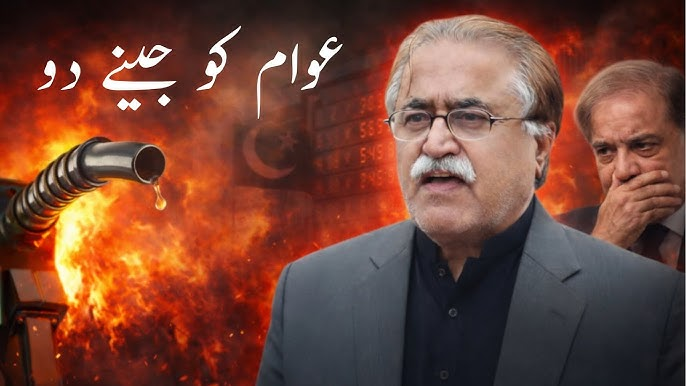
But why now? And who gains from this pain? A powerful Senate panel is asking the same questions—and they’re not happy.
Senate Standing Committee Takes Strong Action
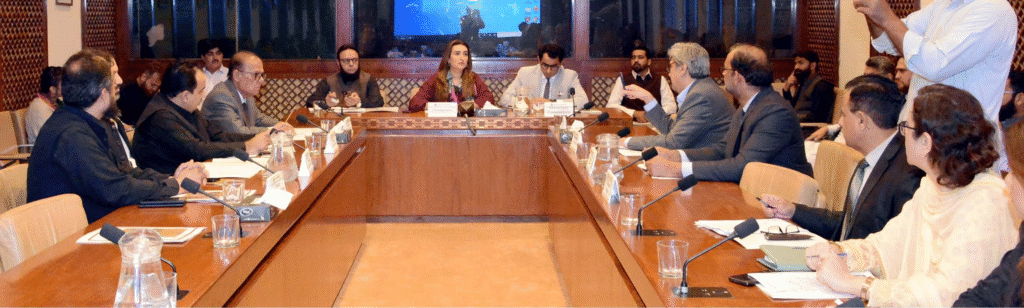
On March 10, 2026, the Senate Standing Committee on Economic Affairs, chaired by Senator Saifullah Abro, held a heated meeting in Islamabad. They pulled no punches.
Senator Abro said the 20% fuel price hike puts an unfair burden on ordinary Pakistanis, especially low-income groups. He questioned the whole decision: Why raise prices so sharply when stocks were still available? The committee wants full transparency.
They ordered the Petroleum Division to hand over complete details of all oil marketing companies (OMCs). The big goal? Find out if this hike really helped the government’s pocket—or if private companies made unfair “inventory gains” by selling old, cheaper stock at sky-high new prices.
This probe could change how fuel pricing works in Pakistan. If wrongdoing is found, stricter rules might come soon.
What Caused This Massive Fuel Price Surge?
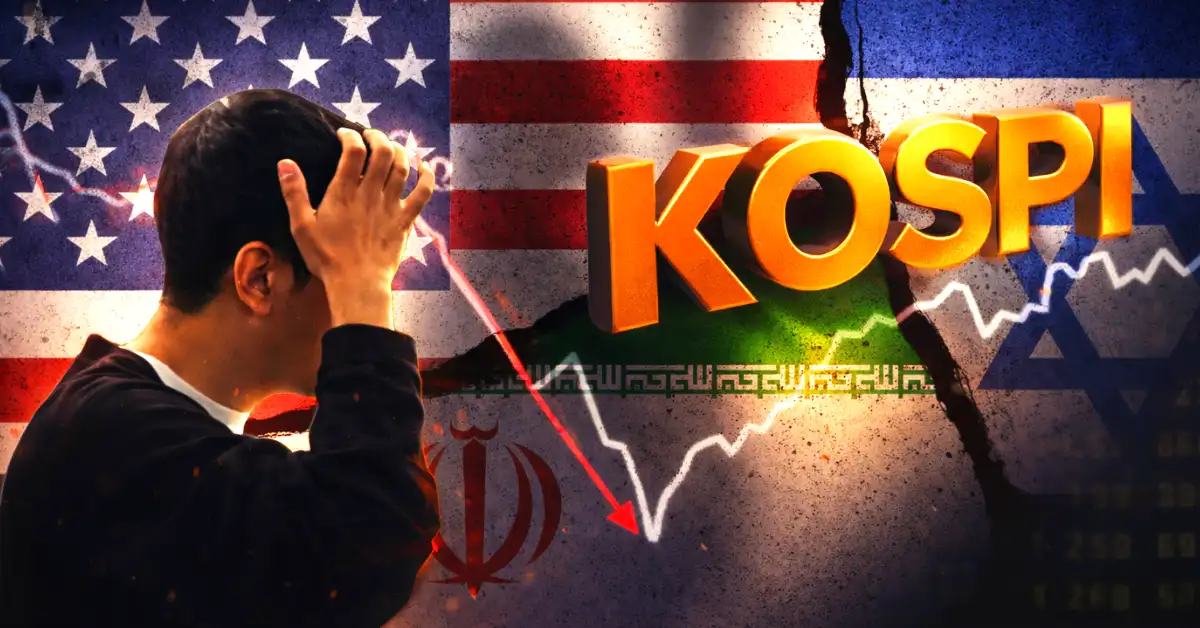
The main reason is the ongoing conflict in the Middle East—specifically the tensions involving Iran, Israel, and the US. Global oil markets are in chaos:
- Crude oil prices jumped from about $78 to over $106 per barrel in a short time.
- Freight costs in the Gulf region shot up nearly four times.
- War-risk insurance for oil tankers has become extremely expensive—or unavailable in some cases.
- Insurers are refusing coverage or charging huge premiums for ships passing through risky areas like the Persian Gulf and Strait of Hormuz.
Because of this, importing fuel has turned into a nightmare. Pakistan State Oil (PSO) tried spot tenders for petrol, diesel, and jet fuel—but got zero bids on a Cost and Freight (C&F) basis. No one wants the risk.
The Oil Companies Advisory Council (OCAC) wrote a strong letter asking for emergency changes:
- Allow temporary CIF imports (where suppliers handle insurance and freight) for crude oil, refined products, and more.
- Give special permission for high war-risk insurance for up to two months.
- This would help keep supplies steady and avoid shortages.
Without these steps, fuel could become even harder to get.
Government’s Move Sparks Backlash
The government says the hike was needed to stop hoarding and panic buying. They claim stocks were only enough for 20-25 days. But critics argue existing stocks should have delayed the increase and given relief to people.
Opposition leaders called it an “inflation bomb.” They say it will push up transport costs, food prices, and everyday expenses even more.
The oil industry also complained about tough actions by district officials. Under PM orders to stop malpractices, some petrol pumps facing short supplies got heavy fines or closures. This, they say, only makes the supply problem worse.
How This 20% Fuel Price Hike Affects Everyday Pakistanis
This isn’t just about filling your bike or car. Higher fuel means:
- More expensive public transport (buses, rickshaws, vans).
- Rising delivery costs for food, groceries, and goods.
- Higher inflation hitting the poor hardest.
- Businesses struggling with increased running costs.
With no quick end to the Middle East conflict in sight, more price jumps could come. Experts warn of another possible hike soon if global oil keeps climbing.
What Happens Next?
The Senate panel’s investigation is a step toward accountability. If private companies are found making extra profits from stockpiles, it could lead to refunds, penalties, or better price controls.
For now, Pakistanis are watching closely. The government needs to balance IMF demands, global realities, and public hardship.
People want answers: Was this Rs55 hike necessary right away? Are oil companies getting rich while citizens suffer? The Senate probe might give us the truth.
What’s your view? Has this fuel price hike hit your pocket hard? Drop your thoughts in the comments—I’d love to hear from readers in Lahore and across Pakistan.