F-16 Upgrade for Pakistan: Powerful 686m Deal and a Strategic Message to India:
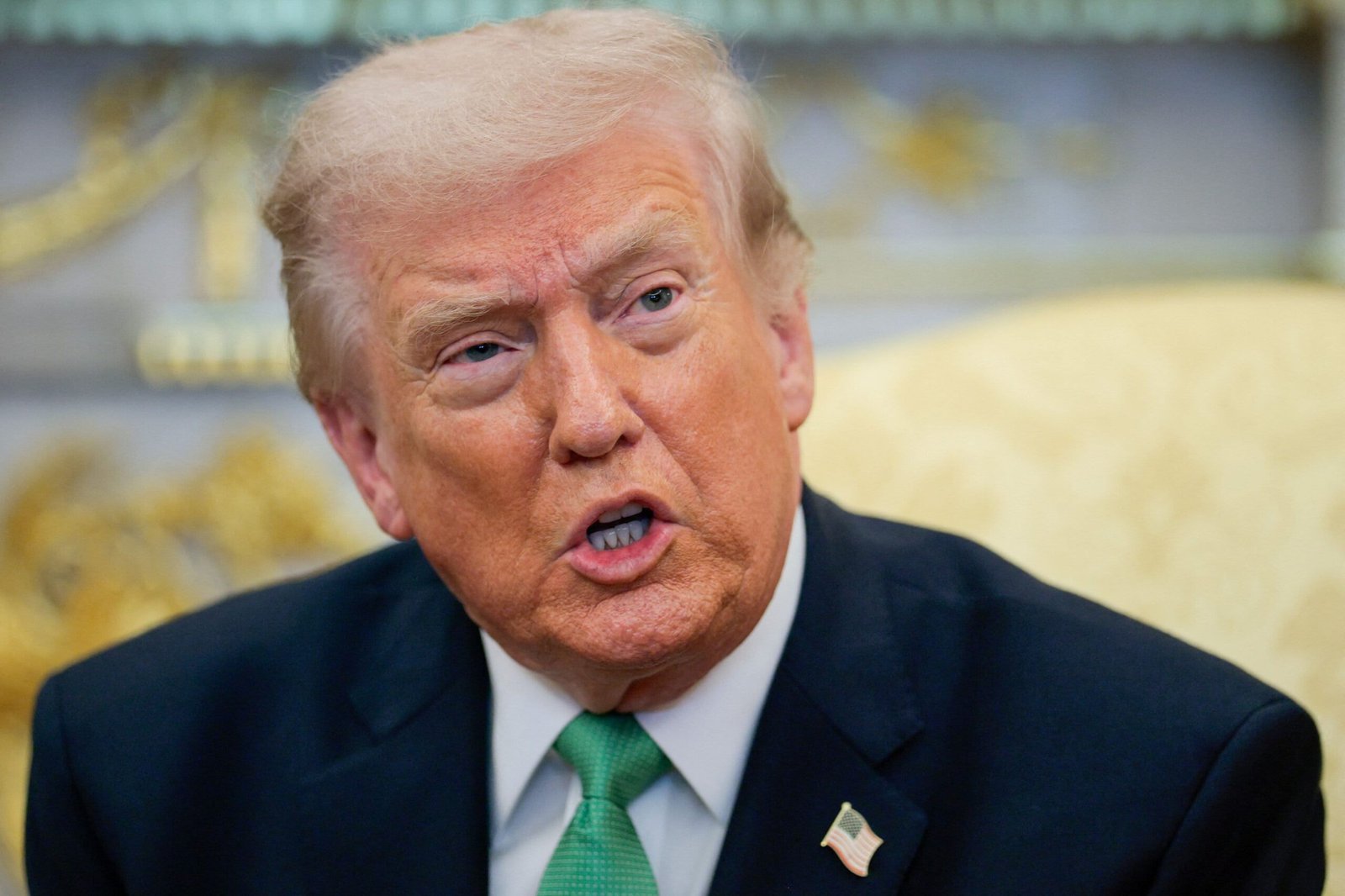
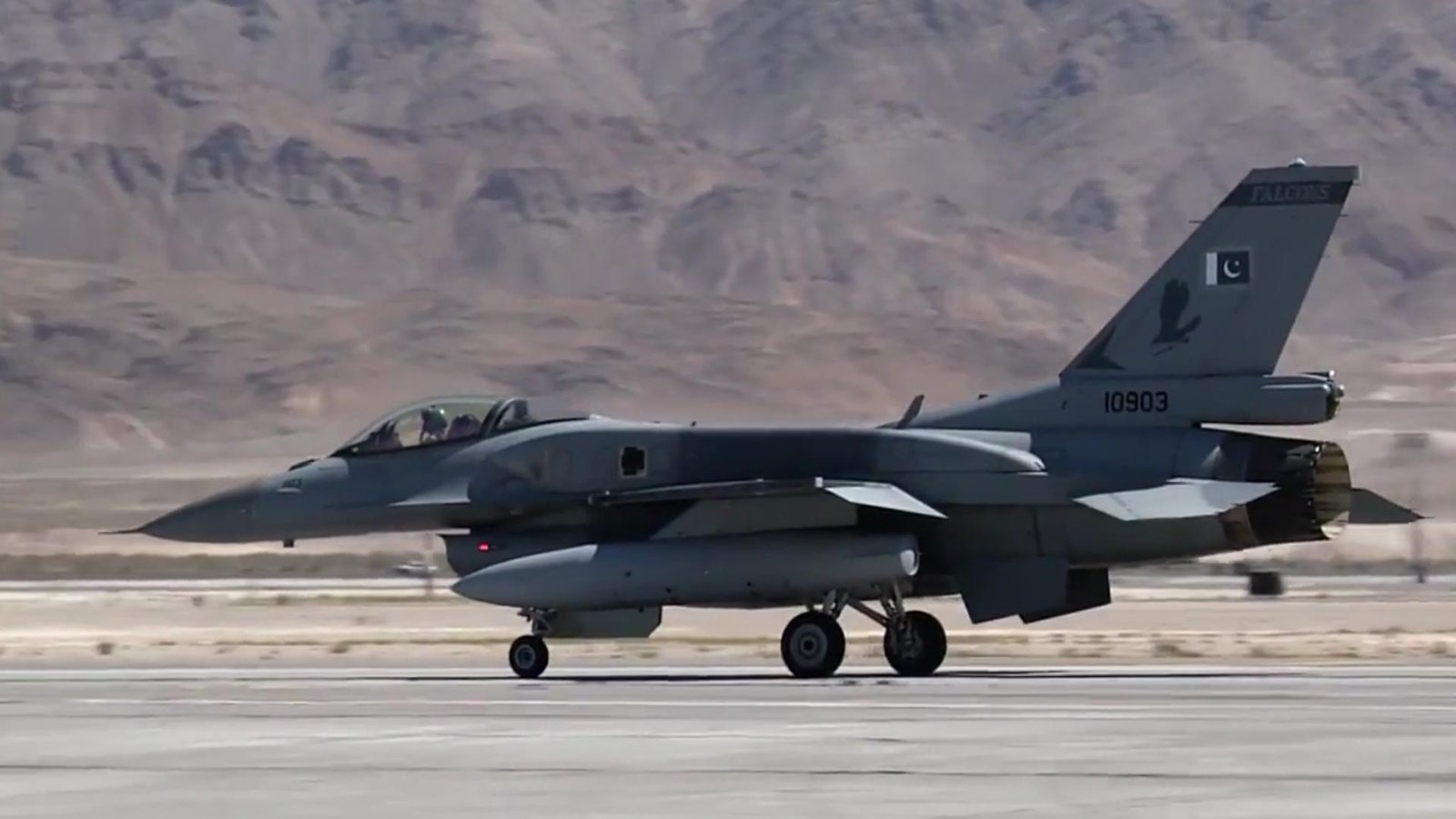
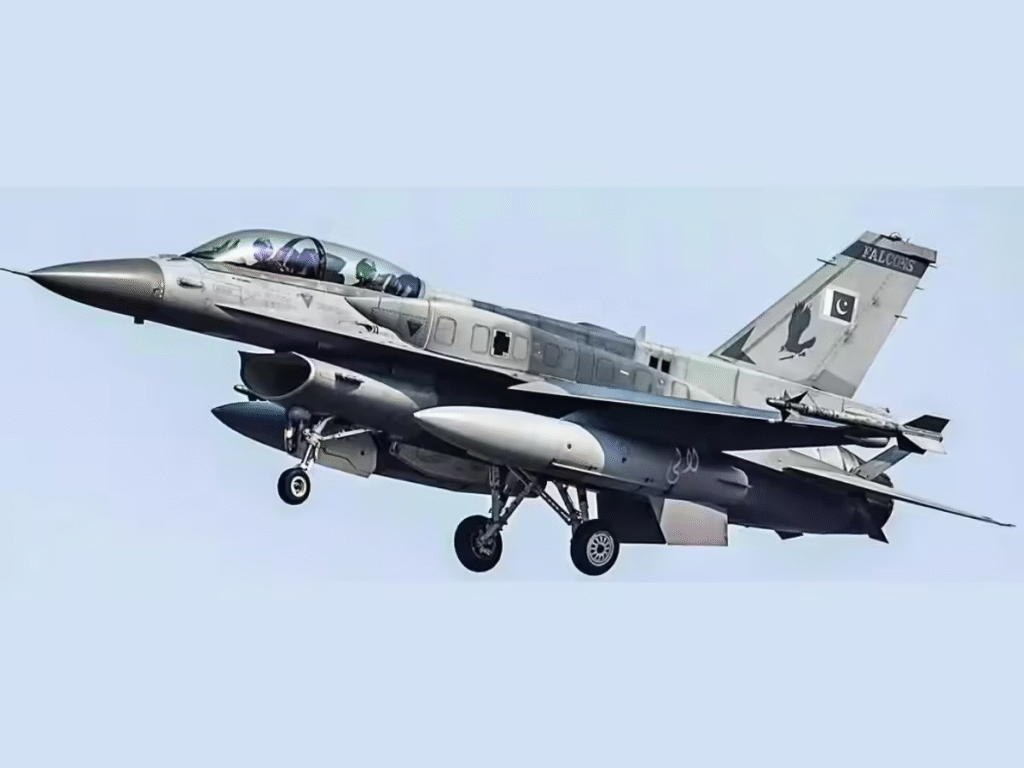
The F-16 upgrade for Pakistan has sparked intense debate across South Asia, as many observers see this powerful 686m package as more than just a technical improvement to an ageing fleet. The deal, approved under Trump, is being read by analysts as a strategic signal that will shape Pakistan’s air power and India’s security calculations in the coming years.
Why the F-16 Upgrade for Pakistan Matters Now
The F-16 upgrade for Pakistan comes at a time when the region is already on edge due to long-running tensions between India and Pakistan, border incidents, and evolving military doctrines on both sides. By improving Pakistan’s existing F-16s instead of supplying brand new aircraft, the United States can argue that it is maintaining a balance rather than fundamentally transforming it, yet the impact on day‑to‑day air operations will still be significant.
For Pakistan, the timing of the F-16 upgrade is crucial because it needs modern capabilities to keep pace with India’s growing investment in advanced fighter jets, air defense systems and surveillance platforms. Even incremental improvements in sensors, targeting and survivability can translate into a stronger deterrent posture and more confidence in crisis situations.
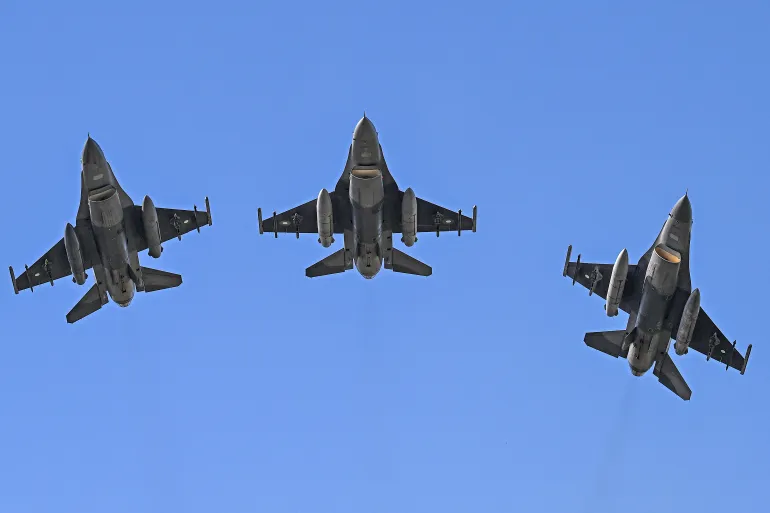
What the F-16 Upgrade for Pakistan Includes
The F-16 upgrade for Pakistan is reported to cover a broad range of systems, from radar and avionics to weapons integration and electronic warfare suites. These changes do not turn the aircraft into brand‑new fighters, but they do extend their operational life and allow them to perform more complex missions with greater accuracy and survivability.
Upgraded radar and sensor packages can help Pakistani pilots detect threats at longer ranges, track multiple targets and operate more effectively in contested airspace. Enhancements to communication and data‑link systems also make it easier for Pakistan’s F-16s to work together with ground-based radars and other aircraft, improving the overall effectiveness of its air force in both defensive and offensive roles.
Is the F-16 Upgrade for Pakistan a Message to India?
Many analysts argue that the F-16 upgrade for Pakistan is not only about hardware but also a political and strategic message to India and the wider region. India has been deepening its own defense ties with the United States and other Western partners, so Washington’s decision to move ahead with a 686m package for Islamabad shows that it still wants leverage and influence on both sides of the border.
From New Delhi’s perspective, the F-16 upgrade for Pakistan raises questions about how Washington balances its relationships in South Asia and what this could mean in a future crisis. Even if the deal is framed as a counter‑terrorism or defensive measure, India will likely see it as a factor that complicates its security planning along the border and the Line of Control.
How the F-16 Upgrade for Pakistan Changes Regional Air Power
The F-16 upgrade for Pakistan is part of a broader competition in which both India and Pakistan seek better sensors, weapons and platforms to secure their airspace and deter each other. India has been investing heavily in aircraft like the Rafale and in indigenous programs, but Pakistan’s upgraded F‑16s still offer a capable platform with strong multi‑role performance.
With the F-16 upgrade for Pakistan, the gap in certain mission profiles may narrow, especially in areas like beyond‑visual‑range engagements, precision strikes and night operations. This can influence how both sides train, how they think about escalation, and how confident they feel about their ability to defend key assets in a fast‑moving conflict scenario.
What This F-16 Upgrade for Pakistan Means for Future Relations
Looking ahead, the F-16 upgrade for Pakistan could become a recurring reference point in debates about US policy in South Asia, especially if India and Pakistan enter another period of high tension. Washington will have to manage Indian concerns while also justifying why the F-16 upgrade for Pakistan was necessary for counter‑terrorism cooperation and regional stability.
For Pakistan, successfully absorbing the F-16 upgrade and using it to improve interoperability, training and readiness will be critical. The long‑term impact of the F-16 upgrade for Pakistan will depend not just on the technology delivered but on how it influences deterrence, diplomacy and crisis management among all three players: Pakistan, India and the United States.
Conclusion:
F-16 upgrade for Pakistan sirf ek technical defence deal nahi, balki South Asia ki politics aur security balance ko directly touch karne wala strategic step hai. Yeh 686m package Pakistan ki air force ko modern bana kar uski deterrence ko strong karta hai, jabke India ke liye yeh ek clear reminder hai ke regional air power competition abhi bhi active hai. Is deal ka asli asar is baat par depend karega ke Pakistan is upgrade ko kitni smart training, planning aur diplomacy ke sath use karta hai, aur India–Pakistan dono is naye military balance ke sath kitne responsible tareeke se aage barhte hain.