Explosive 13% Oil Price Surge Hits $82 as US-Iran War Shuts Strait of Hormuz
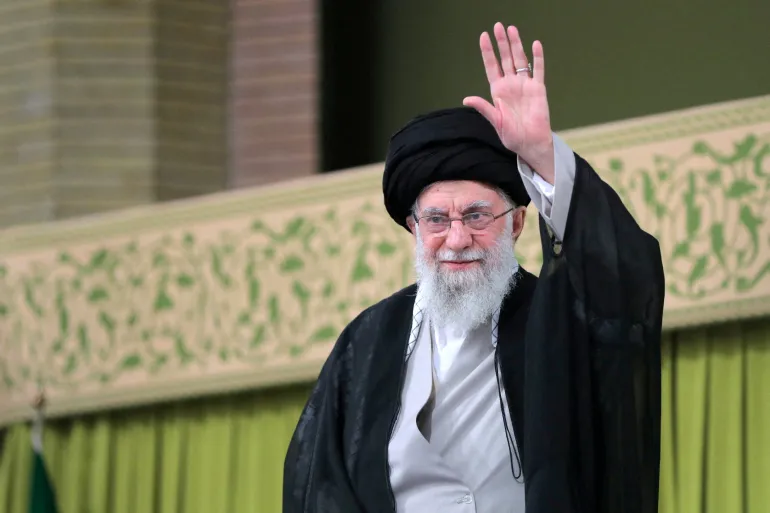
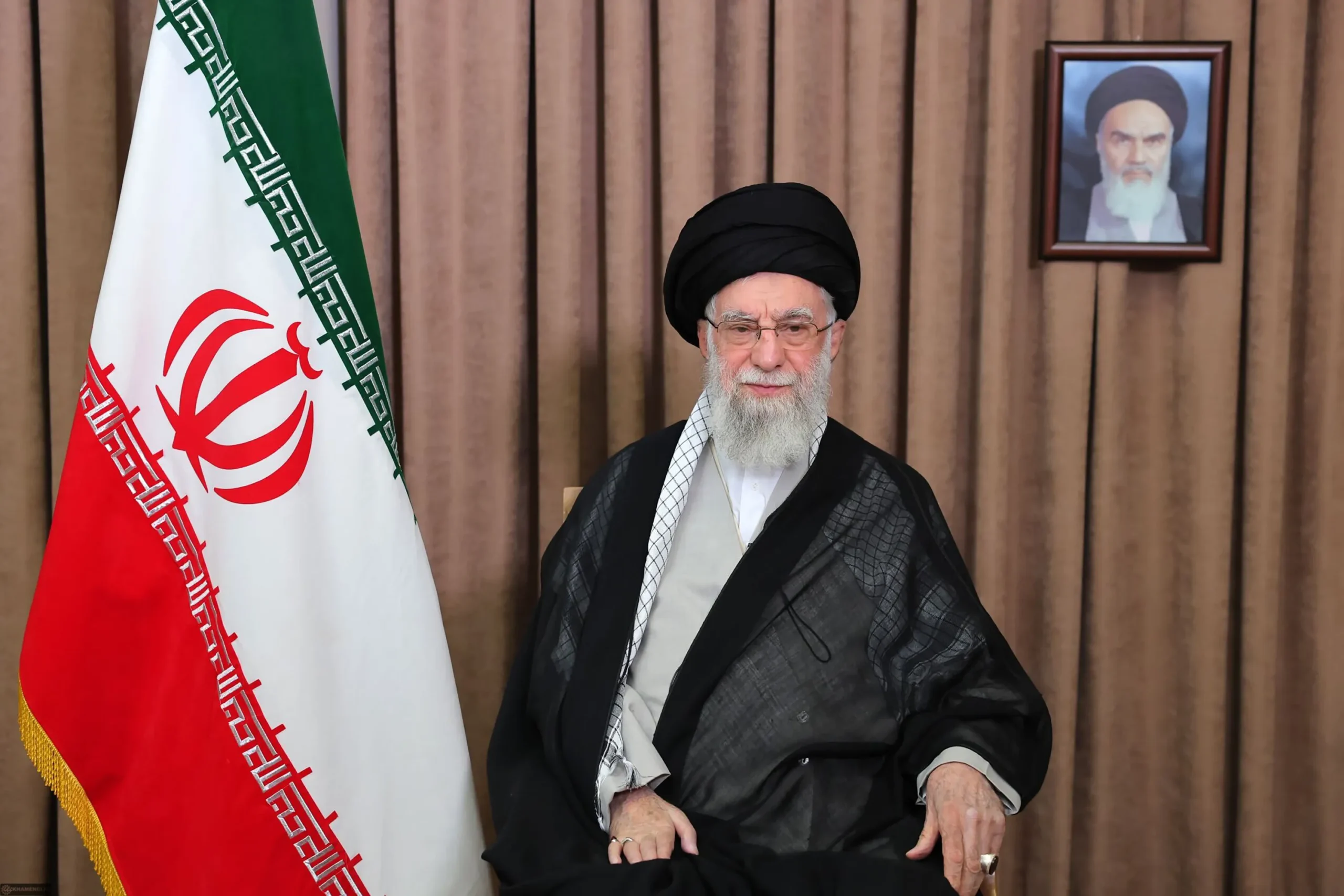
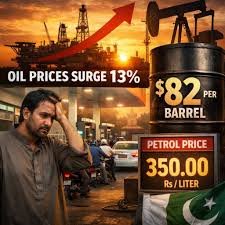
The world is watching in shock as the Middle East explodes into full conflict. US and Israeli strikes on Iran have killed Supreme Leader Ayatollah Ali Khamenei, ships are under attack near the Strait of Hormuz, and tanker traffic has basically stopped. Result? Oil prices have shot up like never before—Brent crude jumped as much as 13% to touch $82 a barrel on March 2, 2026. This isn’t just news from far away; it means higher petrol and diesel prices coming to Lahore pumps soon.
In this post, we break it down simply—what happened, why prices are going crazy, and what it could mean for us in Pakistan and everywhere else.
The Deadly Trigger: US and Israeli Strikes Kill Iran’s Supreme Leader
It started with heavy attacks. The US and Israel hit key targets inside Iran over the weekend. Supreme Leader Khamenei is dead, and that has thrown the whole country into chaos. Iran hit back hard—missiles flying toward Israel, US bases in the Gulf, and even attacks on ships passing through the region.
This isn’t small fighting. The conflict has spread fast, with fears it could last weeks. President Trump has said operations will continue until goals are met. Inside Iran, power struggles are starting as different groups fight for control after the big loss.
Chaos in the Strait: Ships Attacked, Tanker Traffic Halted – Why 20% of Global Oil is Stuck
The biggest problem right now is the Strait of Hormuz. This narrow waterway carries about 20% of the world’s oil and a lot of natural gas. Iran has warned ships not to pass, and reports say at least three tankers were hit near the strait over the weekend.
Many oil companies and ship owners have stopped sending crude through there for safety. It’s not a full official closure, but in practice, traffic has halted or slowed a lot. That means supplies from Saudi Arabia, Iraq, UAE, and others are getting stuck or delayed. Even short delays push prices up fast because traders get scared of shortages.
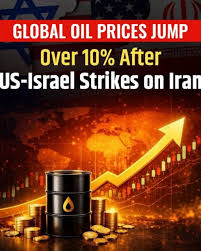
Massive Market Reaction: Brent Hits $82, WTI Surges Over 10% – Numbers Don’t Lie
Markets opened Sunday night and Monday morning in panic mode. Here’s what happened:
- Brent crude (global benchmark) jumped as high as 13% to $82.37 a barrel—highest in over a year—before settling around $79-80.
- US crude (WTI) rose more than 10% to about $73.
- Stocks fell hard: S&P 500 futures down 1.6%, Nasdaq down 2%.
- Safe things like gold and the US dollar went up as people ran for cover.
This is one of the biggest single-day jumps in years. Traders are betting on more trouble ahead.
Expert Warnings: $100+ Oil Barrel Coming If War Drags On for Weeks
Analysts aren’t sugar-coating it. Many say if the fighting continues and Hormuz stays blocked:
- Prices could easily hit $100 a barrel or more.
- Wood Mackenzie and others warn restarting full flows could take weeks even after shooting stops.
- Citi and Bernstein see $80-90 soon, but $120-150 in worst cases if disruption lasts.
- Some compare it to 1970s energy shocks—worse if Gulf production or more facilities get hit.
Energy experts say even if it’s short, we still pay higher for weeks because fear keeps prices up.
Real-World Pain: Higher Gas Prices, Inflation Spike, and Economic Risks Ahead
This hits home fast. In Pakistan, we import almost all our oil. Petrol and diesel will cost more at stations in days—maybe Rs 20-50 extra per litre if it stays high. Factories, transport, food prices—everything goes up. Inflation that was cooling could jump again.
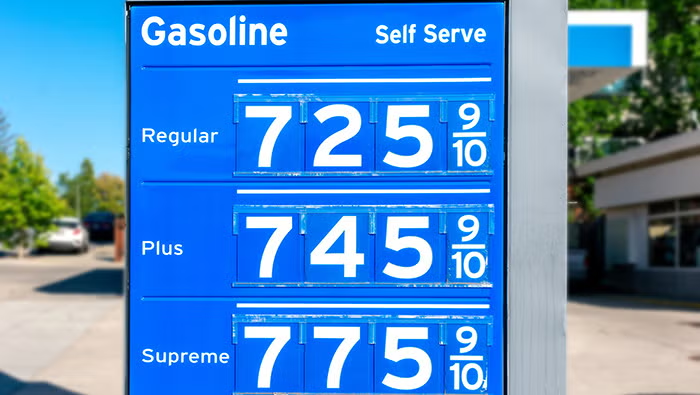
Globally, Asia and Europe feel it worst as big importers. US families face higher fuel too, right before elections. Airlines, shipping companies—all pass costs on. If it drags, growth slows everywhere.
Some hope OPEC+ (Saudi, UAE) pumps more to help, but right now fear wins over supply promises.
What This Means for Pakistan and the World – Stay Alert in March 2026
Saba here from Lahore—this conflict feels close because our energy depends on that tiny strait half a world away. Keep watching news: quick peace talks could drop prices fast, but more strikes mean more pain at the pump.
What do you think? Will this calm down soon, or are we heading for a real energy crisis? Drop your thoughts in comments below. Share if this helped explain things. Subscribe for more updates on economy and world news that affects us daily.
Stay safe, watch fuel prices, and drive carefully if you’re filling up soon!