Donald Trump India Pakistan ceasefire claim back in debate
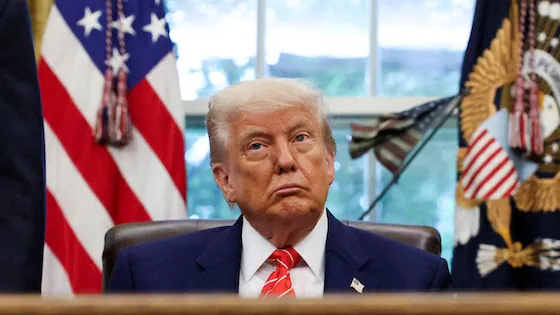
The Donald Trump India Pakistan ceasefire claim is back in the spotlight after he used it while defending his move to accept Venezuelan leader María Corina Machado’s Nobel Peace Prize medal. Trump says that in 2019 he stopped a war between India and Pakistan by using US pressure and trade leverage.
India has strongly denied this story and maintains that decisions on ceasefire and restraint were taken by India as a sovereign state through direct, bilateral contacts with Pakistan. For New Delhi, the concern is not just about image, but about the precedent of allowing outside leaders to rewrite South Asian crises for their own political benefit.
What happened in the 2019 India Pakistan crisis?
In 2019, tensions between India and Pakistan rose sharply after airstrikes and the shooting down of fighter jets by both sides, creating real fears of a wider conflict between two nuclear‑armed neighbours. International media described the situation as a potential nuclear flashpoint in South Asia.
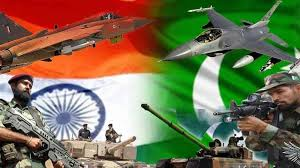
The United States under Donald Trump publicly called for restraint and used diplomatic channels to talk to both sides. However, Indian officials say that the key steps towards de‑escalation and the understanding on ceasefire came through direct military‑to‑military contacts and diplomatic communication between India and Pakistan, not through any formal US‑brokered deal as suggested in the Donald Trump India Pakistan ceasefire claim.
India’s clear position on Donald Trump India Pakistan ceasefire claim
India has repeatedly pushed back against the Donald Trump India Pakistan ceasefire claim at home and at international forums. The Indian position can be summed up in a few clear points:
- India and Pakistan have agreed that all outstanding issues will be handled bilaterally, with no room for third‑party mediation.
- The 2019 ceasefire and restraint decisions were based on India’s own political and military assessment, not on any trade deal or secret bargain with Washington.
- While India does talk to the US and other partners, it does not accept the idea that a foreign leader “stopped a war” between India and Pakistan.
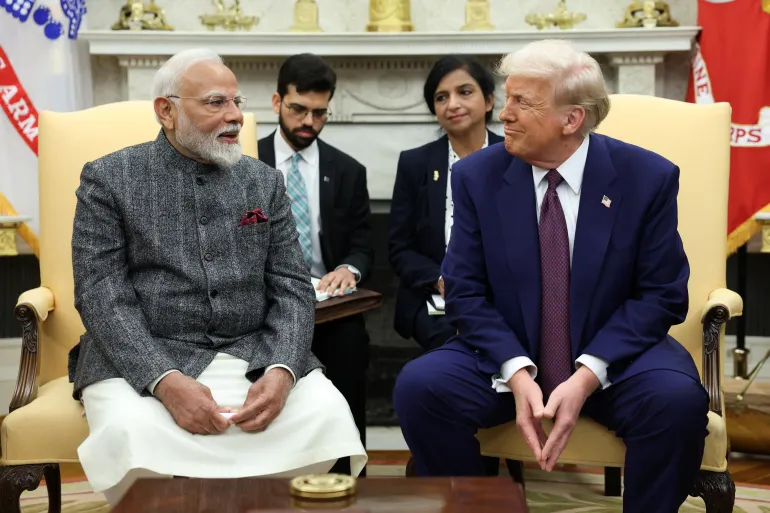
Because of this long‑standing policy, New Delhi views the Donald Trump India Pakistan ceasefire claim as factually incorrect and potentially damaging to India’s strategic autonomy.
Why Trump is repeating this claim now
Donald Trump is bringing up the Donald Trump India Pakistan ceasefire claim again as part of a wider effort to present himself as a global peacemaker worthy of the Nobel Peace Prize. At a recent event where he accepted María Corina Machado’s Nobel medal, he said he had “settled” several wars, including the India‑Pakistan standoff.
Trump also says that Pakistan’s then prime minister thanked him and told him he had “saved at least 10 million people”, a line he has repeated in speeches and interviews. These dramatic claims help him build a strong political image, but they are not supported by India’s official records or public statements.
How Pakistan views the ceasefire narrative
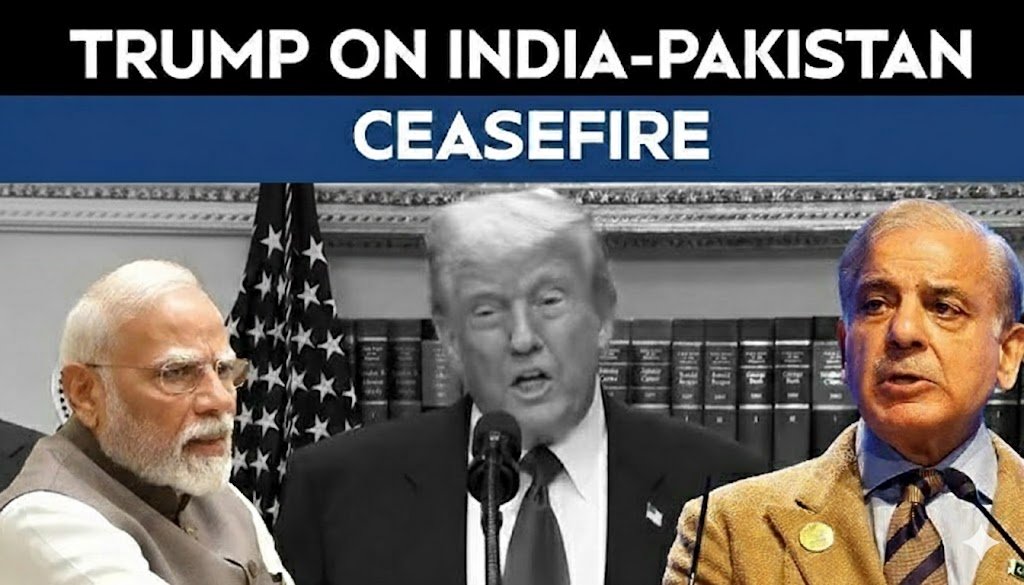
Pakistan is generally more open to the idea of international involvement and mediation on disputes with India, including Kashmir. Because of this, some Pakistani voices have spoken positively about a US role and have not fully rejected the Donald Trump India Pakistan ceasefire claim.
For Islamabad, highlighting major power involvement can help bring global attention to South Asian security issues. But this view clashes with India’s strict bilateral approach and makes Trump’s story another point of disagreement between the two neighbours.
Nobel Peace Prize angle and the problem of history
The Donald Trump India Pakistan ceasefire claim is closely tied to the Nobel Peace Prize discussion. Trump often says he helped end several conflicts around the world and uses this to argue that he deserves the Nobel.
However, global observers and institutions have pointed out that the Nobel Peace Prize has formal rules and a clear list of laureates, and accepting someone else’s medal is only symbolic. It does not change the official record of who made which decisions in crises like the 2019 India‑Pakistan standoff.
For India, there is a fear that if such claims go unchallenged, future leaders may also try to reshape the story of South Asian crises for personal or electoral gain.
Why this claim matters for South Asia
The Donald Trump India Pakistan ceasefire claim is more than just a line in a campaign speech; it touches key strategic and political questions in South Asia.
- India sees itself as a sovereign regional power and does not want foreign leaders taking credit for its core security choices.
- Pakistan often welcomes more outside involvement, which fits its long‑term push to internationalise disputes with India.
- For the wider world, it is important that the history of events like the 2019 crisis is based on documented facts, not on later political stories.
If big powers freely adjust the narrative of who “saved peace” in past conflicts, it can complicate future diplomacy, because each side will bring its own version of history to the negotiating table.
What readers should remember about the Donald Trump India Pakistan ceasefire claim
When following debates around the Donald Trump India Pakistan ceasefire claim, readers can keep a few simple points in mind:
- Always compare political statements with official documents, foreign ministry notes and independent reporting from credible news outlets.
- Understand how the Nobel Peace Prize actually works, so you can see the difference between symbolic gestures and real awards.
- Remember that South Asia’s security issues are highly sensitive, and leaders sometimes shape narratives to serve domestic politics more than historical accuracy.
With this approach, readers can judge for themselves how much weight to give to the Donald Trump India Pakistan ceasefire claim and similar political stories in the future.