Controversial Aircraft Deployment: What Is Happening?
The United States is preparing another controversial aircraft carrier deployment to the Middle East as tensions with Iran stay high despite ongoing nuclear diplomacy. President Donald Trump has signalled that Washington is ready to reinforce its military presence in the region even while it publicly talks about the possibility of a deal with Tehran. This mix of diplomacy and hard power is raising questions worldwide about whether the US is trying to prevent a new conflict or preparing for one.
Why This US Move Is Called a Controversial Aircraft Decision
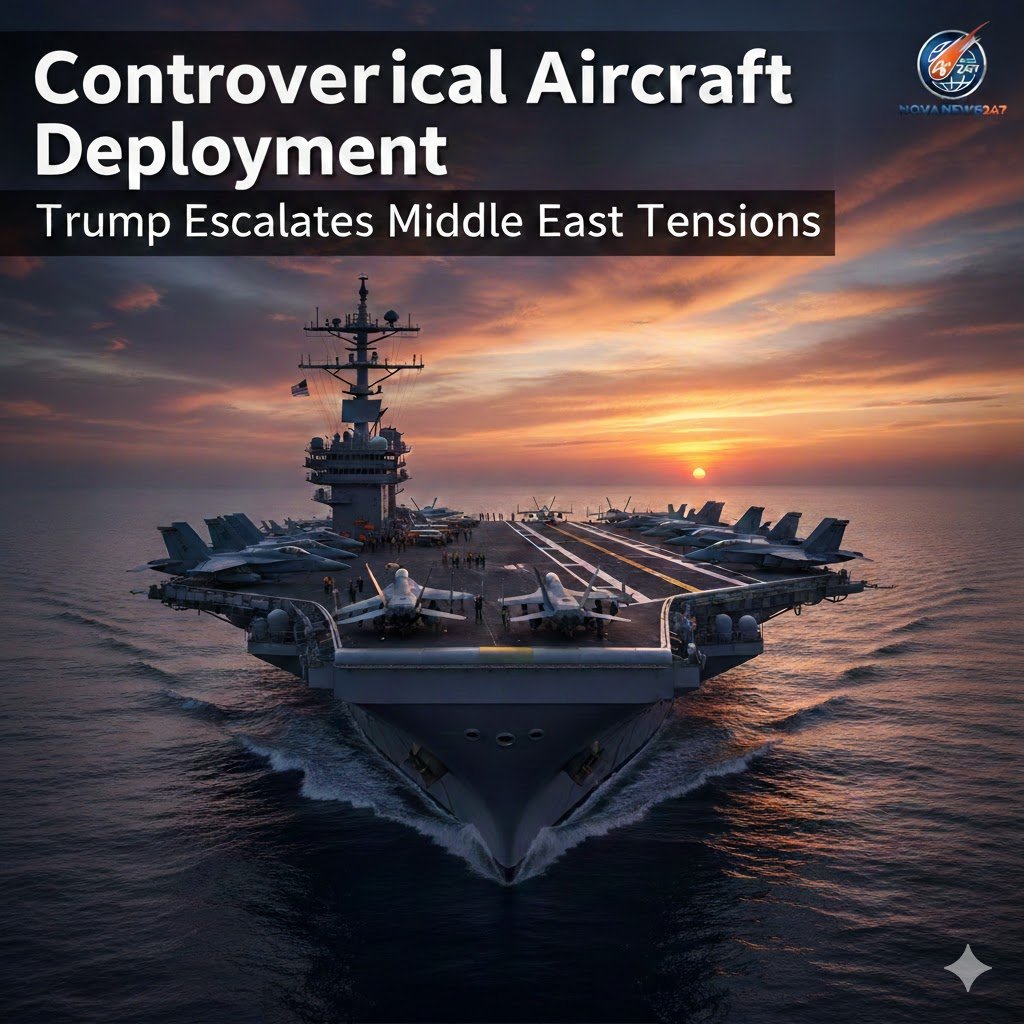
Trump reshared, without comment, a Wall Street Journal report that the Pentagon is readying a second aircraft carrier strike group for potential deployment to the Middle East. For many analysts, this looks like a controversial aircraft build‑up because it comes at the same time as sensitive talks over Iran’s nuclear and missile activities. Critics argue that sending more military hardware into an already unstable region could increase the risk of miscalculation, while supporters say it strengthens deterrence against Tehran.

Which Carriers Are Involved in the Deployment?
US officials say the USS Abraham Lincoln is already operating in Middle East waters with several guided‑missile destroyers as part of a powerful carrier strike group. According to media reports, the Pentagon has instructed another carrier group to get ready, with options including some of the most advanced and controversial aircraft platforms in the US Navy’s arsenal because of their offensive capabilities. Having two carrier groups in the region would dramatically expand the US ability to launch airstrikes, conduct surveillance and provide missile defence if talks with Iran collapse.
Background: Israel–Iran–US Escalation
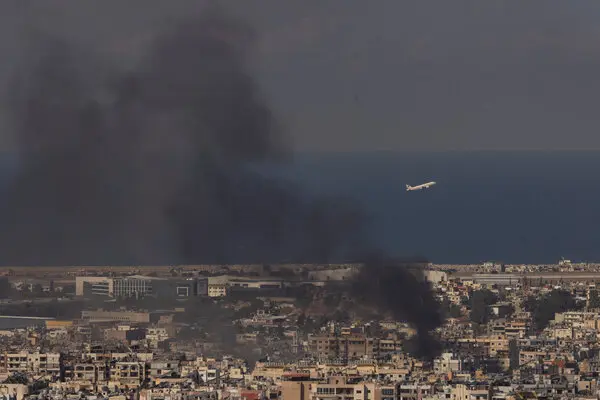
The latest controversial aircraft deployment plan cannot be separated from the intense confrontation between Israel and Iran in 2025. In June last year, Israel carried out major strikes inside Iran, killing senior military officers, nuclear scientists and hundreds of civilians. Iran responded by firing hundreds of missiles at Israel, with many managing to penetrate Israeli air defences.
The United States then joined Israel’s campaign and bombed three of Iran’s nuclear facilities before a ceasefire took effect. Trump later claimed that US attacks had “obliterated” Iran’s nuclear programme, but the fate of Iran’s highly enriched uranium stockpiles is still unclear and remains a key concern for negotiators.
Nuclear Diplomacy vs Military Pressure
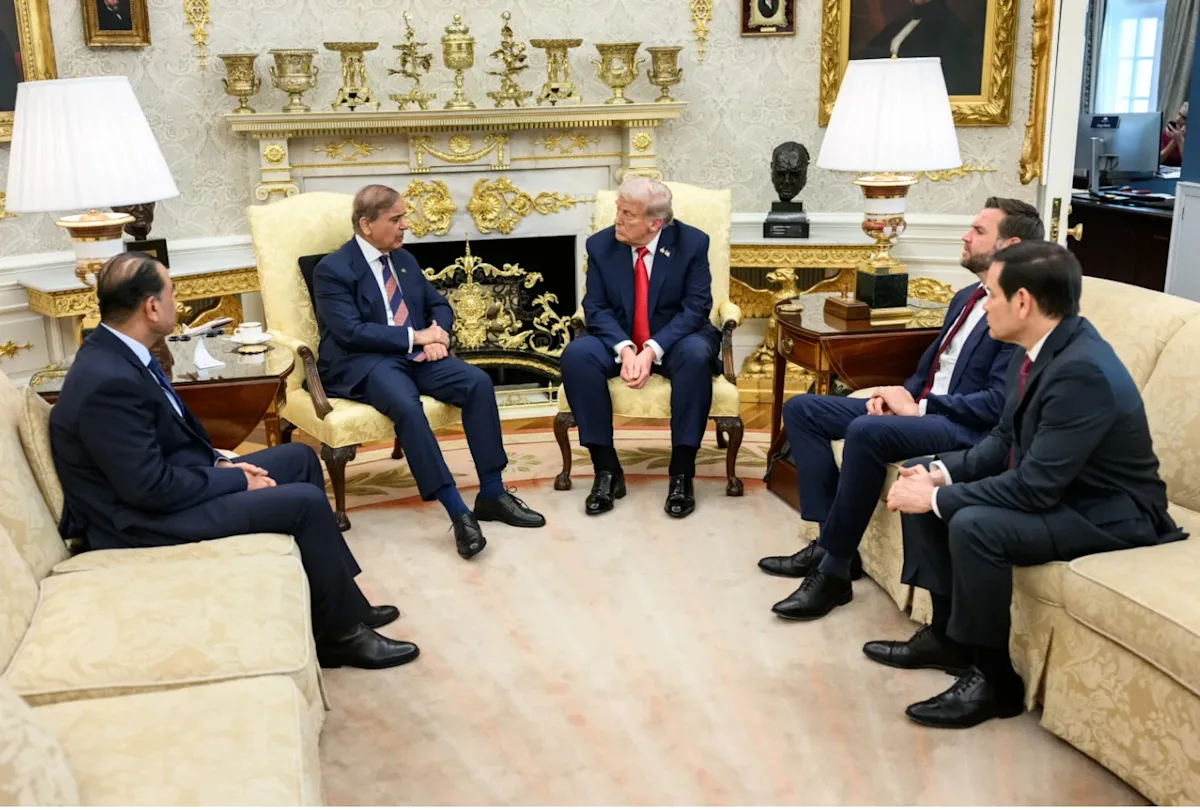
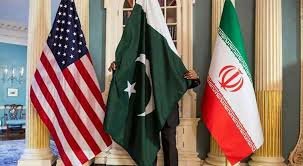
Despite the controversial aircraft deployments, Trump continues to say that his priority is a negotiated agreement that ensures Iran has “no nuclear weapons” and “no missiles”. Iran denies that it is seeking nuclear weapons and has firmly rejected any negotiations over its missile programme, calling it a purely defensive capability.
Indirect talks between Washington and Tehran in Oman were described as a tentative step forward, but no new round has been publicly confirmed. Tehran has warned the US not to let Israel sabotage diplomacy, while Iranian officials say they are only negotiating with Washington and not with any third country.
Domestic Unrest Inside Iran and US Response
After last year’s military clashes, Iran also faced widespread antigovernment protests driven by economic hardship and political anger. Trump voiced open support for the demonstrators and hinted that external “help” could arrive, which Tehran interpreted as foreign interference.
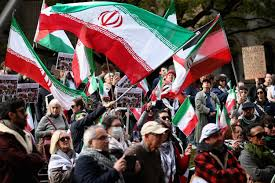
Iranian authorities responded with a heavy security crackdown and temporarily shut down internet access across much of the country. Reports later suggested that the US helped smuggle Starlink satellite internet kits into Iran so that protesters could bypass the blackout and stay online. This internal instability adds another layer of risk to any controversial aircraft or military escalation in the region.
What This Means for the Middle East
The current controversial aircraft carrier deployment strategy sends a strong message to Iran that the US is ready to use force if diplomacy fails. It also reassures regional allies such as Israel and Gulf states that Washington is not withdrawing from its security commitments.
However, the same move increases fears of accidental clashes or rapid escalation if any side misreads the other’s actions. The coming weeks will show whether the US uses this added military pressure to secure a tougher deal with Iran—or whether the presence of more controversial aircraft in the Middle East brings the region closer to another war.