Is China Leaving the United States Behind?
For many years, the United States was seen as the clear leader of the world. Now, however, more and more experts are asking if China leaving the United States behind is becoming a real possibility in power, technology, and global influence. This Foreign Affairs discussion looks at how fast China is moving and where the United States is struggling to keep up.
The question of China leaving the United States behind is not only about who is richer or who has the bigger army. Instead, it is about which country will shape the rules, set the standards, and attract more partners in the future world order. Because of this, the debate over China leaving the United States behind has become one of the most important topics in global politics today.
Economic power: growth, trade, and investment
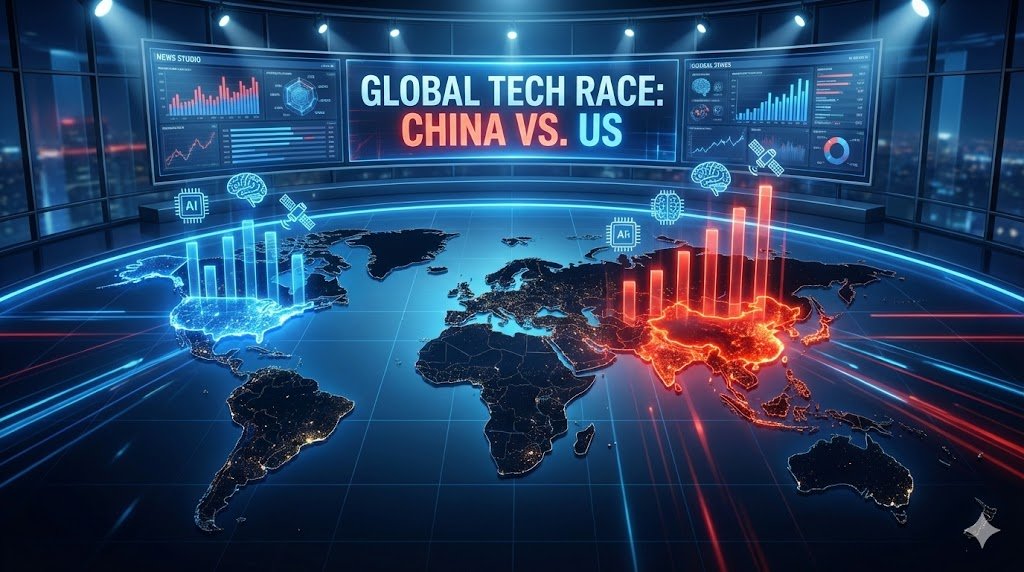
First, when people talk about China leaving the United States behind, they often start with the economy. China’s economic rise has been one of the biggest stories of the past few decades. It is now the world’s second-largest economy and the main trading partner for many countries in Asia, Africa, and Latin America. As a result, some governments feel more dependent on Chinese markets than on American ones.
China is also investing heavily in infrastructure abroad, for example through projects that build ports, railways, and power plants. These projects make partner countries more connected to China’s economy, and they can also increase Beijing’s political influence. Meanwhile, the United States still has a large and innovative economy, but it faces domestic political divisions and high debt that sometimes limit long‑term planning. This mix of strengths and weaknesses feeds the idea of China leaving the United States behind in economic reach.
Technology race: AI, chips, and innovation
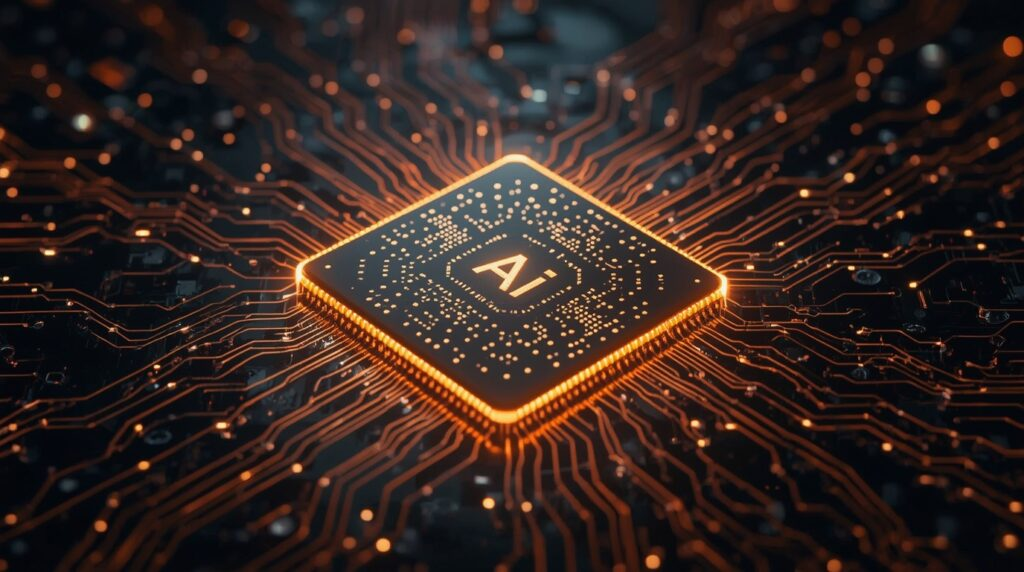
Second, China leaving the United States behind is often discussed in the context of technology. Both sides see artificial intelligence, advanced chips, quantum computing, and clean energy as tools of power. In some areas, such as 5G networks or parts of green technology, China has already become a leading global supplier.
To respond, Washington has used export controls and subsidies to protect its own tech edge and slow China’s access to the most advanced chips. At the same time, Beijing is investing heavily to build its own technology base so that it is less dependent on U.S. or European suppliers. Therefore, the world is starting to split into parallel tech systems, one centered on the United States and another around China. This tech decoupling is another area where commentators watch closely for signs of China leaving the United States behind.
Military and security competition
Third, there is growing competition in the military and security field, especially in the Indo‑Pacific. The United States still has the world’s strongest military and a wide network of allies, including Japan, South Korea, Australia, and NATO partners. However, China has rapidly modernized its armed forces, improving its navy, missiles, and cyber capabilities.
Much of this competition is focused on Taiwan and the South China Sea, where both sides want to shape the balance of power. The United States sells arms to Taiwan and increases cooperation with regional partners, while China conducts military exercises and expands its presence. While China leaving the United States behind in pure military terms is still far from reality, the gap is clearly narrowing in the region most important to Beijing.
Diplomacy and the “middle powers”
Beyond hard power, diplomacy is another area where some observers see signs of China leaving the United States behind in influence. In many regions, such as the Middle East, Africa, and parts of Europe, governments now try to keep close ties with both Washington and Beijing. They want U.S. security support but also Chinese investment, trade, and infrastructure money.
Because of this, many “middle powers” do not want to choose sides. Instead, they try to use competition between China and the United States to get better deals and more room to act. If this trend continues, it could limit how much control either superpower has over the global system. In this diplomatic game, China leaving the United States behind is less about one winner and more about how both are forced to share space with other actors.
Domestic challenges inside the United States
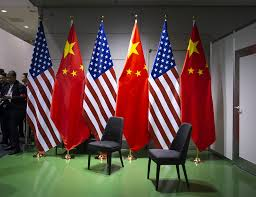
A key theme of the Foreign Affairs conversation is that the risk of China leaving the United States behind is strongly linked to U.S. domestic issues. U.S. power is not only about what happens abroad; it is also about what happens inside the country. Political polarization, slow decision‑making, and public distrust can weaken Washington’s ability to lead.
When Congress is divided or when long‑term strategies change every few years, allies and rivals start to doubt U.S. reliability. Meanwhile, China, despite its own serious problems, presents itself as more stable and focused on long‑term goals. This contrast can make it look, at times, as if China leaving the United States behind is not just about growth, but also about discipline and long‑term planning.
China’s own limits and risks
Still, the podcast also explains that China leaving the United States behind is far from guaranteed. The country faces slowing economic growth, a shrinking population, and large debt in its property sector. These structural problems can limit its ability to keep investing and expanding abroad.
Additionally, there is growing concern about transparency, human rights, and the tight control of the Communist Party over society and the economy. These issues can make foreign investors cautious and push some countries closer to the United States. So, even though China is rising, it is not certain that it will leave the United States behind in every measure of power.
A new kind of Cold War – or something different?
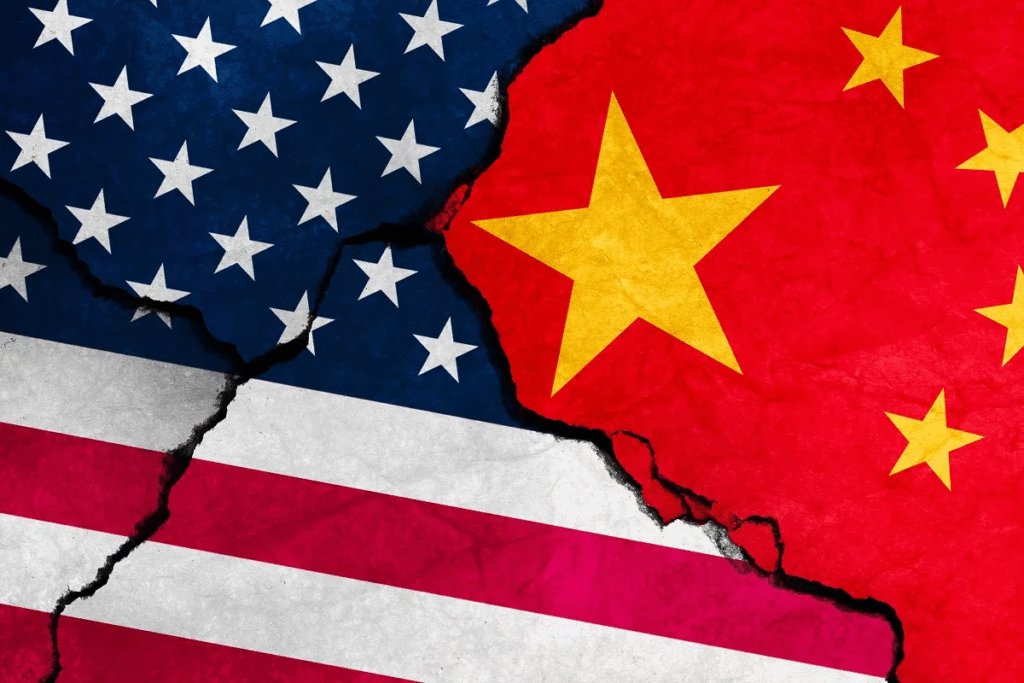
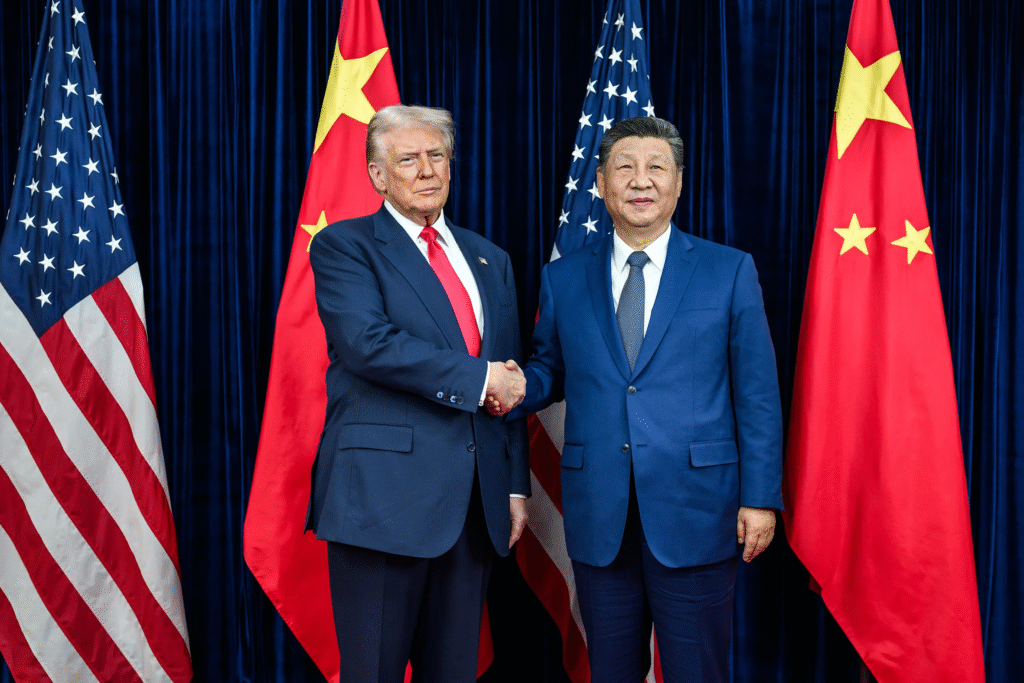
Some analysts describe the U.S.–China rivalry as a new Cold War. There are clear elements that look similar: military build‑ups, competing alliances, and ideological differences. However, unlike the past, today’s two powers are deeply linked through trade, finance, and technology supply chains.
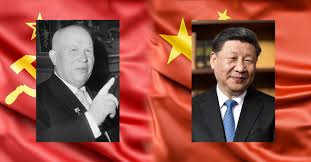
Because of this deep connection, a full separation would be extremely costly for both sides and for the rest of the world. Instead, what we see is “selective decoupling” in sensitive areas such as advanced chips and security tech, while trade in other goods still continues. In this complex situation, China leaving the United States behind or the United States regaining clear leadership will depend on choices made over many years, not just one event.
What it means for the rest of the world
For many countries, the question “Is China leaving the United States behind?” is more than an academic debate. It shapes real decisions about which markets to enter, which weapons to buy, and which standards to follow in areas like AI and telecoms. Governments must constantly watch how the balance of power shifts between Washington and Beijing.
Some states will try to stay neutral and benefit from both sides, while others will lean more clearly towards one camp. In every case, the choices they make will, in turn, affect whether China leaving the United States behind becomes more likely or less likely. Therefore, the future of U.S.–China competition will be decided not just in Beijing and Washington, but also in many capitals around the world.
Conclusion: behind, ahead, or side by side?
In the end, the Foreign Affairs podcast suggests that the idea of China leaving the United States behind is partly true and partly misleading. China is ahead in some areas, catching up fast in others, and still behind in many important measures of power. The United States retains major advantages in alliances, innovation, and soft power, yet it must fix internal problems if it wants to stay competitive.
Rather than one clear winner, we are likely moving into a world where two superpowers compete, cooperate, and clash at the same time. For readers, understanding this complex picture is essential, because decisions made today in Beijing and Washington will shape global politics, economics, and security for many years to come.