Betrayed Iranian Protesters: Broken Promise of Help
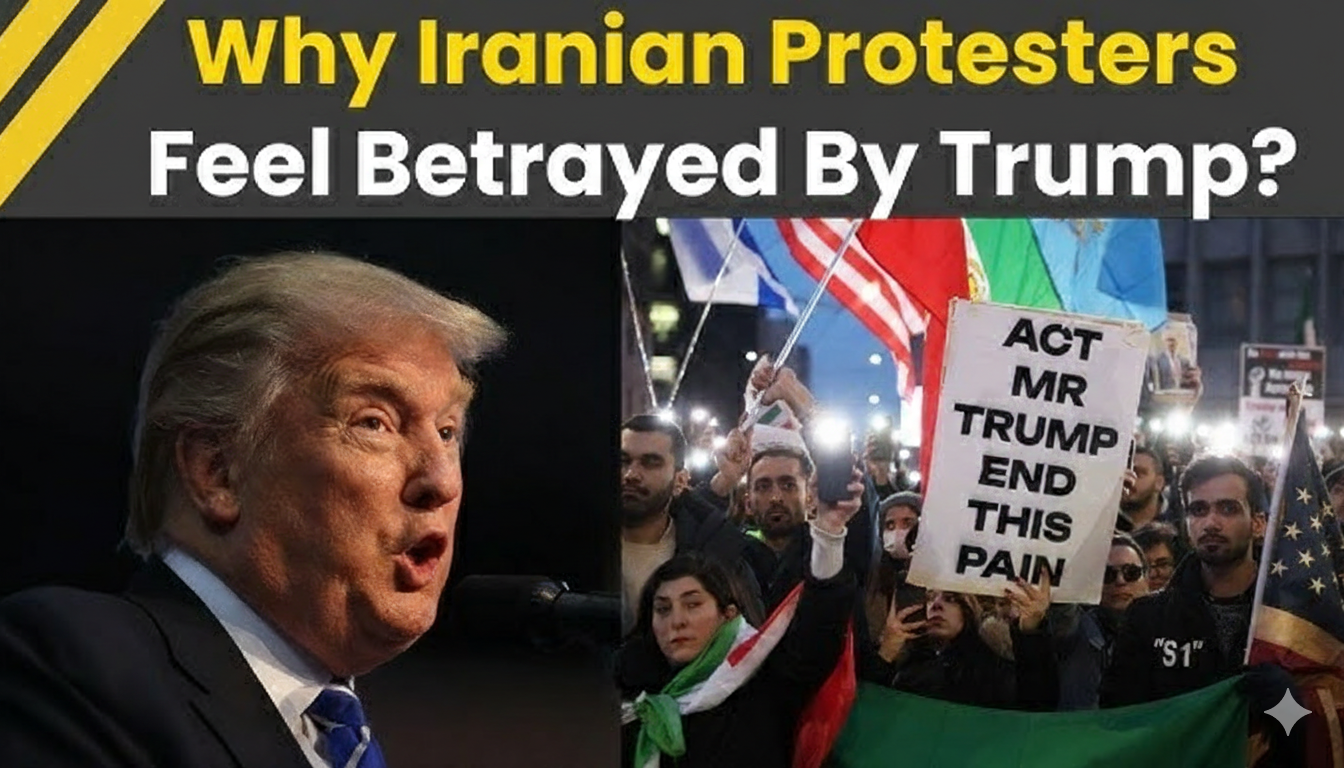
Betrayed Iranian protesters are living with fear, grief and a deep sense of disappointment after believing Donald Trump’s promise that help was “on the way”. Many went out into the streets thinking the US president would protect them if security forces opened fire, but no real help arrived.
One strong example is the story of 38‑year‑old Siavash Shirzad, who joined protests in Tehran after Trump said publicly that he would “rescue” protesters if Iranian authorities started shooting. His family tried to stop him and warned him that the situation was too dangerous, but he answered that Trump had promised to support them and still went out to protest. On 8 January, when authorities began shooting and the internet was shut down, Siavash was hit during a demonstration and later died from his wounds, leaving behind his 12‑year‑old son.
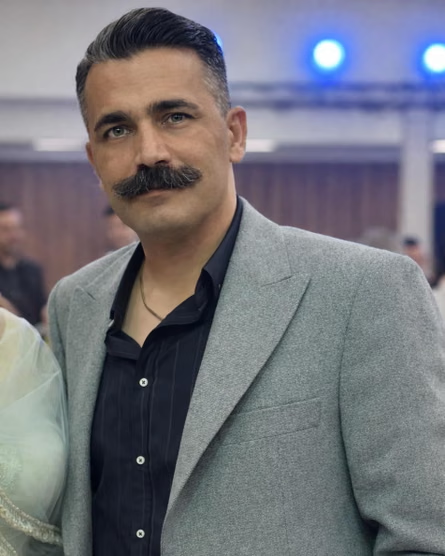
His cousin said that Siavash hoped for help from Trump until his final moments, which shows how much trust some protesters put in the US president’s words. For these betrayed Iranian protesters, the gap between strong statements and lack of real action has turned hope into anger, sadness and deep mistrust.
Why Iranian Protesters Feel Betrayed by Trump
Betrayed Iranian protesters say they feel let down because Trump’s powerful words were not followed by clear protection on the ground. On one day he told Iranians to keep protesting, to “take over your institutions”, and said that “help is on its way” as rumours grew about a possible US strike on Iran. The very next day, his position changed when he said he had received assurances that no executions would happen and he stepped back from immediate military intervention.
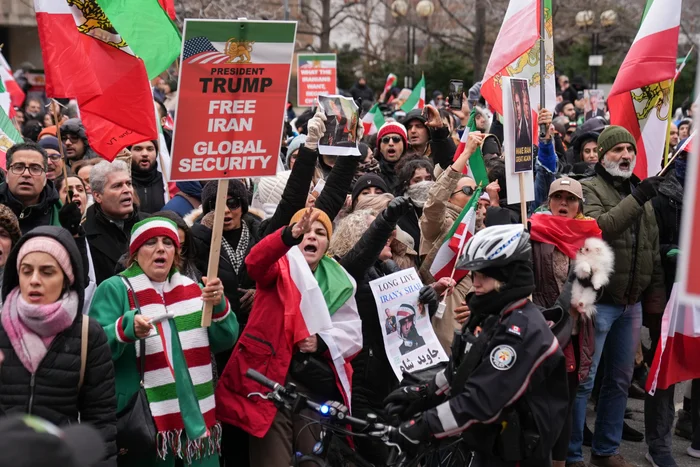
Inside Iran, many people felt this sudden shift gave the authorities a green light to continue their crackdown. Security forces stayed on the streets of Tehran, where crowds of protesters had been only days before, and demonstrations in other provinces became harder to follow because of internet disruptions and blackouts. Residents reported more arrests and warned that executions could easily start again once Trump and the rest of the world moved on to other issues.
Human rights groups raised the alarm in a joint letter, warning that during unrest in Iran, abuses inside detention centres usually increase. They spoke about torture, forced disappearances and unlawful killings. For protesters and their families, this meant that the moment they needed the most protection was also the moment when promises from outside powers began to weaken.
Life Under Crackdown and Internet Blackout
For betrayed Iranian protesters, the internet shutdown made an already dangerous situation even worse. On 8 January, authorities cut off connectivity across much of the country, leaving people inside Iran almost completely cut off from the outside world for more than 180 hours. This long blackout made it very hard to share videos of protests, report abuses or ask for help from international organisations and media.
During this period, state TV showed forced confessions and aired footage of Iran’s chief justice interrogating detainees, while rights groups warned that many protesters would not get a fair trial. In some cases, authorities did pull back from carrying out executions, including cancelling the death sentence of 26‑year‑old Erfan Soltani, but fear remained high that executions could return at any time.
Trump reacted positively when Soltani’s execution was stopped and shared the news as a success, but many Iranians felt this was far from enough. For them, the wider pattern of killings, arrests and intimidation showed that the regime still felt secure and that international pressure was limited. In this environment, betrayed Iranian protesters feel trapped between a harsh state at home and uncertain, sometimes only symbolic, support from abroad.
Voices of Betrayed Iranian Protesters in the Diaspora
Betrayed Iranian protesters are not only inside Iran; many are living abroad and watched these events with shock, fear and sadness. Members of the Iranian diaspora spent weeks seeing videos and messages about the crackdown, often with long breaks in contact as the blackout made it hard for families to stay in touch. For them, Trump’s phrase that “help is on the way” became a rare point of hope while they worried daily about their loved ones back home.
Elham, an Iranian living in Sydney, described Trump’s change of course as “a slap in the face”. She said that Iranians had been disappointed many times before, but they believed this time might be different. She warned that if Trump gave the Iranian regime a “lifeline” through talks instead of strong pressure, it would be a betrayal ordinary people would not forget. Her words show how betrayed Iranian protesters feel not only about their own leaders but also about powerful countries they once believed would stand with them.
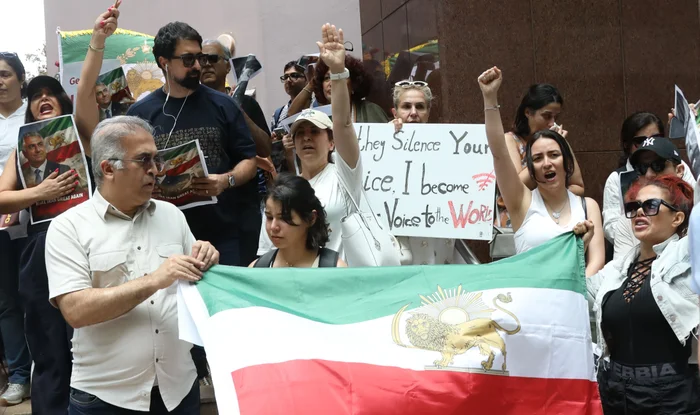
Another voice is Azam Jangravi, an Iranian based in Canada whose close friend was killed during protests in Isfahan. She explained that people in Iran believed Trump and trusted his promises, and that if he fails to act against a brutal regime, the people will remember who really supported them and who turned away. For many in the diaspora, this sense of betrayal is mixed with guilt and helplessness, as they join rallies in cities like Sydney and Toronto while their families face danger on the streets of Iran.
Uncertain Future for Betrayed Iranian Protesters
The future for betrayed Iranian protesters is still very uncertain, as many feel stuck between fear of their own government and confusion about international actions. Even while Trump appeared to step back from an immediate strike, US officials repeated that all options were still “on the table” to stop the killing, and a US aircraft carrier moved toward the Middle East to strengthen defences, especially for Israel. These moves show that military pressure is possible, but they do not guarantee real safety for ordinary protesters facing guns and arrests.
Analysts warn that any US strike could trigger retaliation against Israel and American interests without truly protecting demonstrators or supporting their democratic demands. It could also help the regime’s narrative that the protests are controlled by foreign powers, making life even harder for those who are actually risking everything for change. Because of this, many betrayed Iranian protesters are now waiting to see what happens next rather than immediately returning to large, open demonstrations.
In Tehran, most protests have now paused as people watch Trump’s next steps and try to guess whether real action or another change of direction is coming. Cut off from the world at key moments and facing strong security forces, many are unsure how to continue their struggle without losing more lives. What is clear is that the trust of betrayed Iranian protesters has been badly damaged, and rebuilding that trust will take more than powerful speeches or vague promises from global leaders.