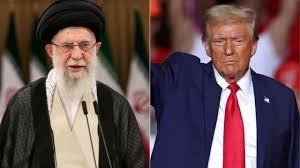
What Trump means by “gonzo”
Trump says Iran nuclear program is gonzo, meaning he believes the June missile and bunker‑buster attacks badly damaged Iran’s main nuclear sites. He says experts told him these locations may be “obliterated” and hard for Iran to use again in the same way.
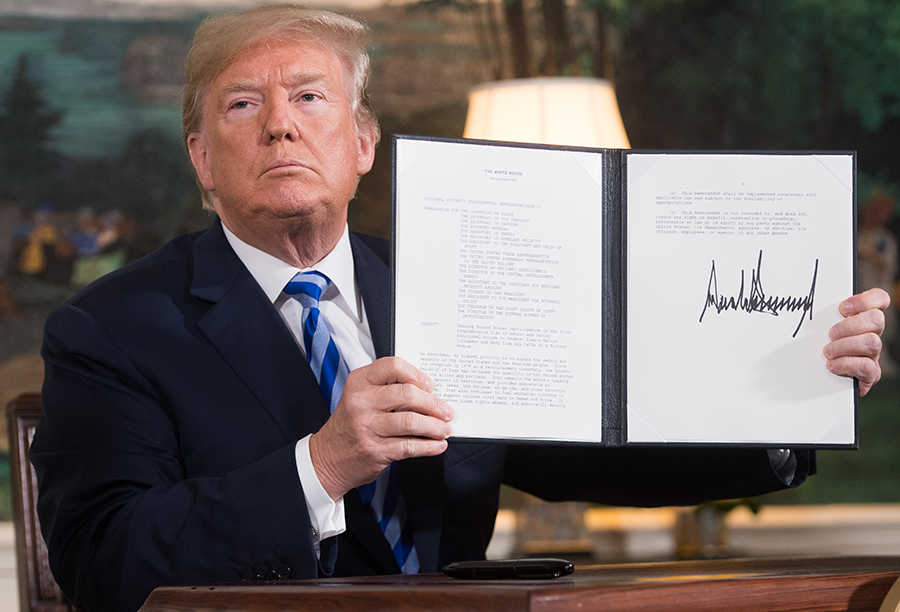
Before the war, Trump claims Iran was only weeks away from being able to build a nuclear weapon. Now he warns that if Iran tries to rebuild its nuclear work without an agreement, the US will destroy any new site as well.
June war between Iran and Israel
The June war began when Israel hit targets inside Iran, and Iran answered with missiles and drones for 12 days until a US‑brokered ceasefire stopped the attacks. This was the most direct clash between the two countries in many years and raised fears of a larger regional war.
During this period, Trump says Iran nuclear program is gonzo became a political message that the US and Israel are willing to use force to stop Iran’s nuclear progress. It also showed that military strikes are now a real part of the nuclear dispute, not just diplomacy and sanctions.
US security concerns and Soleimani
US security officials say Iran is still trying to take revenge for the 2020 killing of Qassem Soleimani, the powerful commander of the Quds Force. The FBI has made more than 70 arrests connected to foreign intelligence threats this year and says some plots targeted former US officials, including Trump.
They also warn that Iran and its partners may increase monitoring of Jewish and Israeli sites inside the US. At the same time, US agencies call Iran one of the most dangerous cyber actors, using both government units and criminal networks in online attacks.

Lebanon challenges Iran’s influence
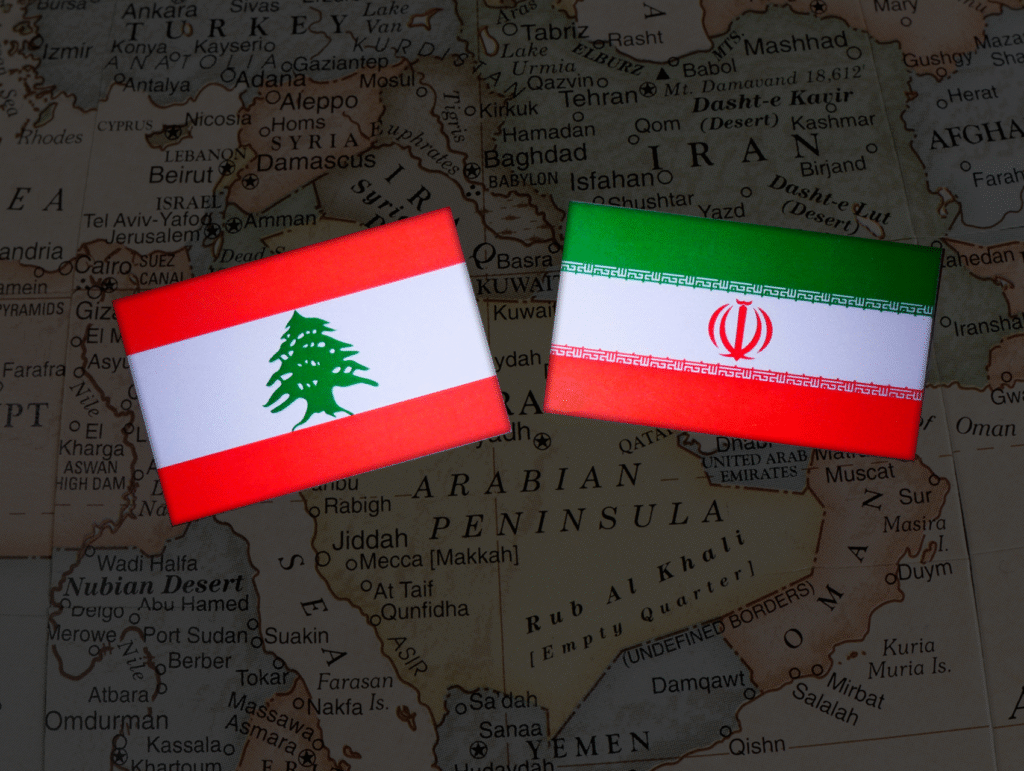
While Trump says Iran nuclear program is gonzo, Iran faces another problem in Lebanon. Lebanon’s government has approved a plan for the national army to remove Hezbollah’s military positions south of the Litani River by 2026 and to disarm all militias, which Iran strongly opposes.
Lebanese Foreign Minister Youssef Raji refused an invitation to visit Tehran and instead suggested meeting Iran’s foreign minister in a neutral third country. In his written reply, he said that only the Lebanese state and army should control weapons and decisions of war and peace, sending a clear message that Beirut wants more independence from Tehran.
Lebanon’s difficult balance
Lebanon sees its relationship with Iran as both helpful and risky. Hezbollah, backed by Iran, is seen by some as protection against Israel, but its weapons also bring Israeli airstrikes, political pressure and the constant threat of war.
Lebanon’s leaders know they need Western and IMF financial support to rescue their failing economy, so they cannot appear completely tied to Iran. Raji’s call for talks in a neutral country is an attempt to keep relations with Iran open but show the world that Lebanon values its own sovereignty.
How Iran survives sanctions
Even though Trump says Iran nuclear program is gonzo, Iran’s political system is still surviving through money and networks built around sanctions. Its model has three main parts: sanctions‑evasion finance, covert oil exports and support for armed allies in the region.
Analysts say that most of Iran’s oil now goes to China, often through ship‑to‑ship transfers, re‑flagged tankers and labels that hide the true origin of the oil. Russia, which is also under sanctions, both competes with Iran for China’s oil market and stands with Iran in resisting Western pressure, creating a mix of rivalry and partnership.
Proxies as Iran’s tools
Armed groups in Iraq, Lebanon and Yemen remain at the heart of Iran’s regional power. Western assessments suggest Iran has sent around one billion dollars to Hezbollah, which is rebuilding after Israel’s heavy strikes in 2024, while Lebanon’s army is too weak to fully carry out disarmament.
In Yemen, the Houthis are acting more confidently, attacking ships and using drones in ways that sometimes move faster than Iran can fully control. These groups give Iran influence and deterrence, but they also increase the risk that a local clash could suddenly grow into a bigger crisis.
Europe’s new view of Iran
Europe is now rethinking its approach to Iran. The supply of Shahed drones and missiles to Russia has turned Iran from a mostly regional issue into a direct European security concern.
European countries are improving air defence systems and watching Iranian‑linked financial and religious networks more closely for signs of sanctions evasion and money‑laundering. This means Iran’s actions in the Middle East now affect its relations with Europe much more quickly than before.
A pressured but still active system
Overall, Trump says Iran nuclear program is gonzo at the same time as Iran is trying to manage sanctions, dependence on China and Russia, pressure in Lebanon, and the costs of supporting armed groups. The system is still working, but it looks under heavy stress and very dependent on outside partners and risky regional tools.
How long this model can last will depend on whether Iran changes its nuclear policy, its support for proxies and its economic strategy before the pressure becomes too strong to handle.